
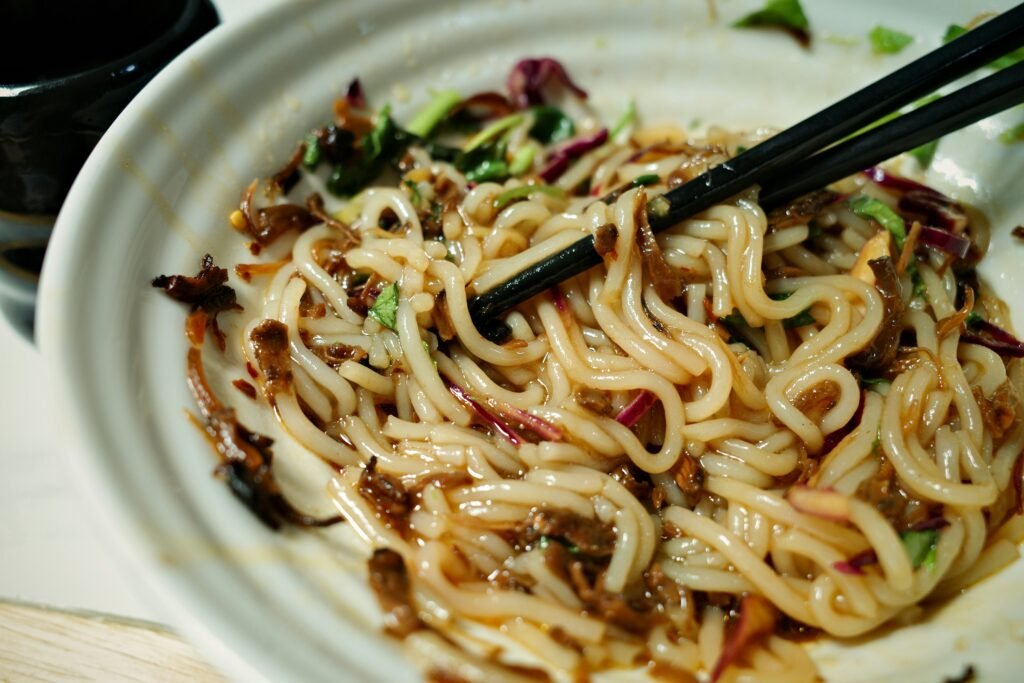
The Hidden Cost of the 2-Minute Meal Is Your Lunch Putting You at Risk?
We’ve all been there. It’s late, you’re tired, and that pack of instant noodles in the pantry feels like a lifesaver. It’s the ultimate comfort food—salty, warm, and ready in minutes. But while your wallet loves the price point, your heart might be footing a much larger bill.
Recent research published in the Journal of Nutrition has pulled back the curtain on the “instant” lifestyle, and the findings are a bit of a gut punch. It turns out that eating instant noodles more than twice a week isn’t just a dietary quirk; it’s a direct ticket to a significantly higher risk of metabolic syndrome.
The “Metabolic Cluster” You Don’t Want
Metabolic syndrome sounds like medical jargon, but it’s actually a “perfect storm” of health issues. We’re talking about a cluster of conditions: high blood pressure, elevated blood sugar, and abnormal cholesterol. Individually, they’re a headache. Together, they are the primary precursors to heart disease, stroke, and type 2 diabetes.
Interestingly, the study—which focused on adults in South Korea—found that women seem to be particularly susceptible to these metabolic shifts. It’s a sobering reminder that “convenience” isn’t always neutral.
Sodium, Fats, and the “Forever” Preservatives
Why are these noodles such a problem? It’s a cocktail of three major culprits:
- Sodium Overload: Most flavor packets contain nearly a full day’s worth of salt in a single serving.
- Saturated Fats: To get that specific noodle texture, they are often deep-fried in oils that don’t do your arteries any favors.
- The Additive Paradox: To stay “fresh” on a shelf for years, these products rely on preservatives and additives that our bodies weren’t exactly designed to process on a daily basis.
My Take: Can You Still Eat Them?
Look, I’m not saying you have to throw every pack in the trash. But we have to stop treating highly processed convenience foods as a “staple” and start seeing them as the “emergency only” option they should be.
If you must have them, try the “Health Hack” approach: ditch half the seasoning packet to cut the salt, toss out the flavor oil, and load the bowl with fresh spinach, an egg, or frozen veggies. You’re essentially “diluting” the processed junk with real nutrition.
Long-term cardiovascular wellness isn’t about being perfect; it’s about reducing our reliance on things that are designed for shelf-life, not human-life. In the battle of “Fast vs. Healthy,” your heart deserves a seat at the table. It might take five more minutes to prep a real meal, but that’s an investment that pays off in decades, not just minutes.
About Wellcore Weekly: Wellcore Weekly covers health, wellness, nutrition, sleep, fitness, and medical research with timely, easy-to-understand updates for everyday readers.