
The B1 Breakthrough: Could This Common Vitamin End Your Digestive Struggles?
We spend billions every year on fiber supplements, expensive probiotics, and “gut-healing” elixirs. But what if the solution to a sluggish digestive system isn’t a new superfood, but a fundamental vitamin we’ve known about for decades?
Scientists are beginning to shine a light on Vitamin B1, also known as thiamine. While most of us associate the B-complex family with “energy levels” or “brain fog,” thiamine has a secret side job: it’s the spark plug for your gut muscles.
The Hidden Connection: How B1 Moves the Needle
To understand why B1 matters for constipation, you have to look at how your body actually digests food. It’s not just a slide; it’s a series of muscular contractions called peristalsis. These muscles need clear instructions from your nervous system to keep things moving.
Thiamine is essential for the production of acetylcholine—a neurotransmitter that tells your digestive tract, “Hey, it’s time to contract.” When your B1 levels are low, those messages get garbled. The result? Your gut slows down, food sits longer than it should, and constipation sets in.
Why We’re Missing the Mark
You’d think a thiamine deficiency would be rare in 2026, but here’s my take: our modern diet is designed to strip B1 away. Highly processed grains, a high-sugar intake, and even that extra glass of wine at night can deplete your thiamine stores faster than you can replenish them.
Because the symptoms of a “subclinical” deficiency are so vague—fatigue, irritability, and yes, constipation—most people never realize their gut issues are actually a nutrient issue.
It’s a Tool, Not a Magic Wand
Now, let’s be real. If you’re dealing with chronic issues, a single vitamin isn’t going to rewrite your entire biology overnight. Gut health is a puzzle with many pieces, including hydration, fiber, and movement. Experts are quick to warn that while B1 is crucial, it isn’t a “magic pill” that replaces a balanced lifestyle.
However, the connection is too strong to ignore. If you’ve tried the fiber route and the “gallon of water a day” challenge with no luck, your nervous system might simply be missing the fuel it needs to communicate with your colon.
How to Test the Theory
You don’t necessarily need a supplement aisle to see if B1 helps. Real-food sources of thiamine include:
- Pork and fish (especially trout)
- Black beans and lentils
- Sunflower seeds and macadamia nuts
- Whole grains and fortified cereals
The next time you feel “stuck,” don’t just reach for a laxative that forces a reaction. Think about the communication happening inside your body. Boosting your B1 might just be the “spark” your digestive system has been waiting for. It’s an old vitamin with a new mission—and it might just be the simplest health hack in your kitchen.
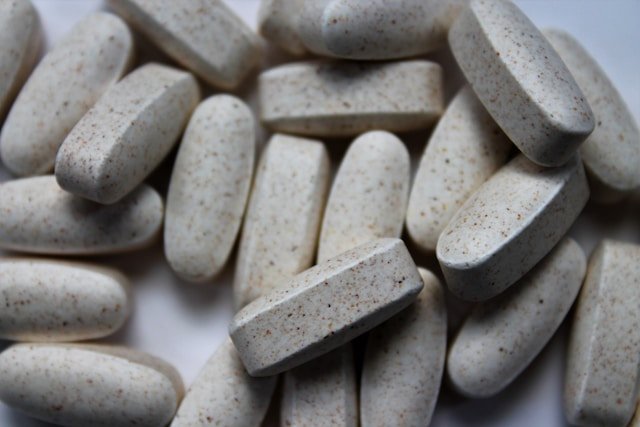
Photo by Amanda Jones on Unsplash
About Wellcore Weekly: Wellcore Weekly covers health, wellness, nutrition, sleep, fitness, and medical research with timely, easy-to-understand updates for everyday readers.