
The Dark Side of the Bubble Is Your Chewing Gum a Microplastic Factory?
By Your Health Desk May 12, 2026
For most of us, popping a piece of gum is a mindless habit—a quick fix for bad breath or a way to focus during a long afternoon. But according to new research from UCLA, that “harmless” habit might be flooding your mouth with thousands of invisible plastic fragments.
A pilot study led by environmental engineer Professor Sanjay Mohanty and presented at the American Chemical Society’s Spring 2025 meeting has dropped a bombshell: a single piece of gum can shed up to 3,000 microplastic particles directly into your saliva.
Mechanical Action, Not Digestion
The most surprising part of the UCLA findings? The plastic isn’t coming from your stomach—it’s coming from the chewing itself.
The repetitive, mechanical grinding of your teeth against the gum base dislodges tiny bits of polyethylene and polystyrene. We’ve spent years worrying about microplastics in our bottled water and sea salt, but it turns out we’ve been literally “massaging” them into our systems for years.
The “Natural” Gum Myth
Many health-conscious consumers have switched to “natural” or “plastic-free” gum brands in recent years, hoping to avoid synthetic ingredients. However, Mohanty’s research offers a reality check: natural gums offered no advantage.
Both synthetic and natural brands released similar amounts of microplastics. It seems the “natural” label might provide a sense of moral superiority, but when it comes to the actual physics of chewing, the particles are still finding their way into your saliva.
So, Should You Spit It Out?
Here’s my take: In a world where microplastics are now found in everything from household dust to human blood, it’s easy to feel defeated. Is 3,000 particles a lot? In the grand scheme of a “plastic planet,” maybe not. But it is one of the few sources of exposure that is entirely voluntary.
Professor Mohanty isn’t necessarily saying we need to quit cold turkey, but he does offer a practical (if slightly strange) tip: if you must chew, chew each piece longer. Most of the shedding happens when the gum is fresh and the mechanical stress is highest. By switching pieces less frequently, you reduce the “fresh dose” of particles.
We are only just beginning to understand the long-term health consequences of ingesting these fragments. Until the science is settled, this discovery is a sobering reminder that even our smallest, most routine habits can have unseen consequences.
Next time you reach for that pack, you might want to ask yourself if fresh breath is worth the plastic “sprinkles.”
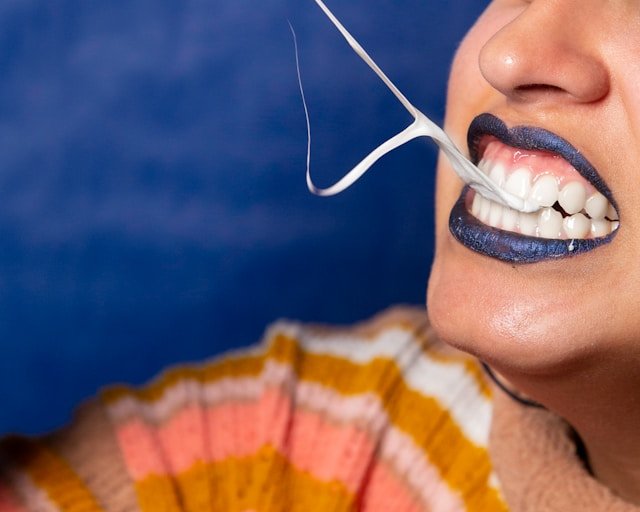
Photo by Joseph Costa on Unsplash
About Wellcore Weekly: Wellcore Weekly covers health, wellness, nutrition, sleep, fitness, and medical research with timely, easy-to-understand updates for everyday readers.