
Your Brain’s Best Learning Times Revealed New Study Shows Timing May Matter More Than Effort
We often blame ourselves when we struggle to focus or retain information at certain times. But according to new research, it might not be laziness or willpower — it could be biology.
Scientists at Tohoku University have published findings showing that the brain’s responsiveness and learning capacity change meaningfully across the day, driven by natural circadian rhythms and chemical signals like adenosine.
Key Findings from the Study
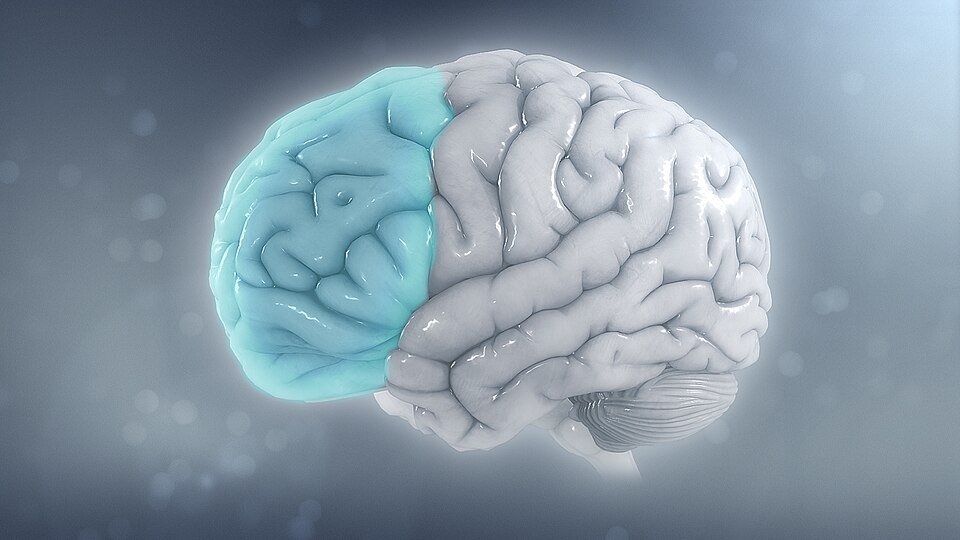
Using light-based stimulation on neurons in the visual cortex of rats, researchers discovered:
- Brain cells showed weaker responses near the beginning of the wake cycle (around sunrise).
- Responses were significantly stronger later in the day, near sunset.
- These changes were heavily influenced by adenosine, a molecule that accumulates during wakefulness and regulates sleep pressure.
When adenosine was temporarily blocked, neurons became more excitable. The study also found that synaptic plasticity — the brain’s ability to strengthen connections and learn — varied across different times of day.
Published in: Neuroscience Research DOI: 10.1016/j.neures.2025.104981
What This Could Mean for Humans
While the study was conducted on rats, the biological mechanisms involved (circadian regulation and adenosine signaling) are highly similar in humans. This suggests that attention, memory formation, and skill acquisition may be more efficient during certain natural windows.
Important Note: This research does not constitute medical advice. Individual factors like age, sleep quality, chronotype (early bird vs night owl), and health conditions all play important roles. Consult a healthcare professional before making significant changes to your routine.
My take: This study is refreshing because it moves beyond generic productivity advice. Instead of pushing “grind harder,” it encourages working smarter with your biology. Many of us already intuitively know we’re sharper at certain times — this research gives that feeling scientific backing.
Practical Considerations
- Late afternoon or early evening may be better for demanding learning or rehabilitation sessions.
- Early morning might suit lighter review or creative work.
- Maintaining consistent sleep schedules appears crucial for stabilizing these daily brain rhythms.
More human studies are needed to confirm how these findings translate to real-world learning, therapy, and cognitive performance. Still, this adds to growing evidence that aligning activities with our internal clocks could be beneficial.
This article summarizes peer-reviewed research and should not replace professional medical guidance.
About Wellcore Weekly: Wellcore Weekly covers health, wellness, nutrition, sleep, fitness, and medical research with timely, easy-to-understand updates for everyday readers.