
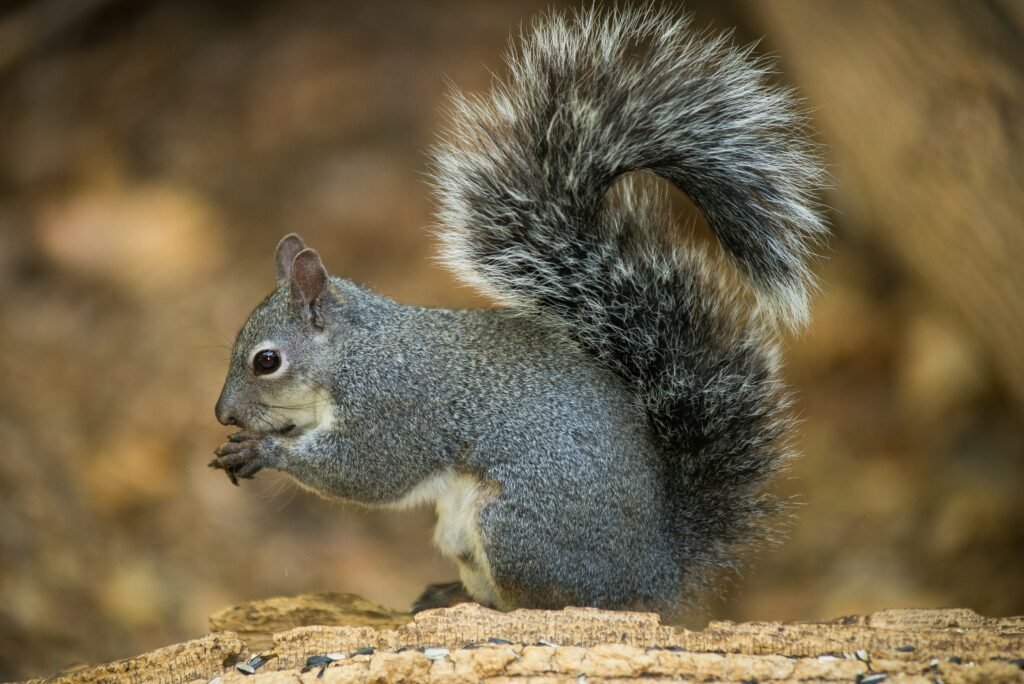
Why California Ground Squirrels Are Hunting for Meat—and Why Scientists Are Paying Attention
Most people think of squirrels as harmless plant eaters, happily gathering seeds, acorns, and nuts. It’s an image that has remained largely unchanged for decades. But new research from California has revealed something unexpected: some California ground squirrels are actively hunting and eating small rodents.
The discovery has surprised wildlife biologists and sparked conversations far beyond animal behavior. Scientists say it also highlights how environmental changes can influence ecosystems in ways that may eventually affect human health.
The findings come from a long-term study conducted by researchers from the University of California, Davis, who observed California ground squirrels over a 12-year period in Briones Regional Park. During the study, researchers witnessed squirrels chasing, killing, and eating voles—small mouse-like mammals that share the same habitat.
While this doesn’t mean squirrels have suddenly become carnivores, it does suggest they are far more adaptable than previously believed.
A Surprising Discovery in the Wild
Scientists have occasionally documented herbivorous animals eating insects, bird eggs, or scavenging dead animals. However, actively hunting live prey is very different.
Researchers observed squirrels stalking voles, chasing them, biting their necks, and carrying away their prey. Some even defended their catch from other squirrels.
The behavior appeared repeatedly rather than as a single unusual event, suggesting it may represent a flexible feeding strategy instead of an isolated accident.
The study also coincided with a dramatic increase in the local vole population, giving squirrels an abundant and easy source of high-protein food.
Why Would a Plant-Eating Animal Change Its Diet?
Animals constantly adapt to changing environments.
When traditional food sources become less reliable—or when a new food source becomes unusually abundant—many species adjust their behavior to survive.
Researchers believe several factors may have contributed to this shift.
An explosion in the vole population made hunting relatively easy and energy-efficient. Compared with spending hours searching for seeds, catching a nearby vole provided a concentrated source of protein and fat.
Climate variability may also play a role. Drought, changing rainfall patterns, and seasonal shifts can alter the availability of plants that squirrels normally depend on.
Rather than representing a permanent change, the hunting behavior may simply demonstrate how flexible wildlife can be when environmental conditions change.
Why Does This Matter for Human Health?
At first glance, squirrels eating voles may seem like an interesting wildlife story with little connection to people.
But public health experts often pay close attention to changes in animal behavior because they can influence how diseases spread through ecosystems.
When animals begin interacting with new prey or different species, they also increase their exposure to blood, body fluids, fleas, ticks, and other parasites that may carry infectious organisms.
This doesn’t automatically mean people are at immediate risk, but it can change how diseases circulate among wildlife populations.
Scientists studying emerging infectious diseases often use these behavioral shifts as early indicators of changing environmental conditions.
The One Health Connection
The squirrel study highlights an important public health concept known as One Health.
One Health recognizes that the health of people, animals, and the environment are closely connected.
Changes in climate, habitat, or wildlife populations rarely affect only one species. Instead, they create ripple effects throughout entire ecosystems.
For example:
- Wildlife moving into new habitats may bring parasites with them.
- Changes in prey populations can alter predator behavior.
- Increased contact between wildlife and people may create opportunities for new diseases to emerge.
Understanding these connections helps scientists identify potential health risks before they become widespread problems.
Should People Be Concerned?
Experts emphasize that there is no reason for the public to panic.
The study does not suggest that squirrels have become dangerous predators or that parks have suddenly become unsafe.
However, it does reinforce the importance of practicing good outdoor hygiene whenever spending time in natural areas.
Simple precautions include:
- Avoid touching wild animals.
- Never feed wildlife.
- Keep pets from chasing rodents.
- Check yourself for ticks after hiking.
- Wash your hands after outdoor activities.
- Follow local park advisories regarding wildlife or disease alerts.
These recommendations already help reduce the risk of several diseases carried by rodents, fleas, and ticks.
What Scientists Hope to Learn Next
Researchers are now interested in determining whether this behavior is occurring elsewhere or if it is limited to specific squirrel populations experiencing unusual environmental conditions.
Future studies may explore questions such as:
- Does hunting improve squirrel survival during drought?
- Are changing temperatures influencing wildlife diets?
- Could similar behavioral shifts occur in other species?
- How do these changes affect parasite and disease transmission?
Long-term ecological monitoring will help answer these questions while improving our understanding of how wildlife responds to environmental stress.
The Bigger Picture
The discovery of meat-eating California ground squirrels is more than a fascinating wildlife story—it is a reminder that nature is constantly adapting.
As climate patterns shift and ecosystems change, animals often respond in unexpected ways. Paying attention to these changes helps scientists understand not only wildlife behavior but also the environmental factors that can influence human health.
While squirrels hunting voles may seem unusual today, studies like this demonstrate why monitoring the natural world remains an important part of protecting public health. By understanding how animals adapt to changing environments, researchers gain valuable clues about the health of the ecosystems we all depend on.
Photo by Richard Hedrick on Unsplash
About Wellcore Weekly: Wellcore Weekly covers health, wellness, nutrition, sleep, fitness, and medical research with timely, easy-to-understand updates for everyday readers.