
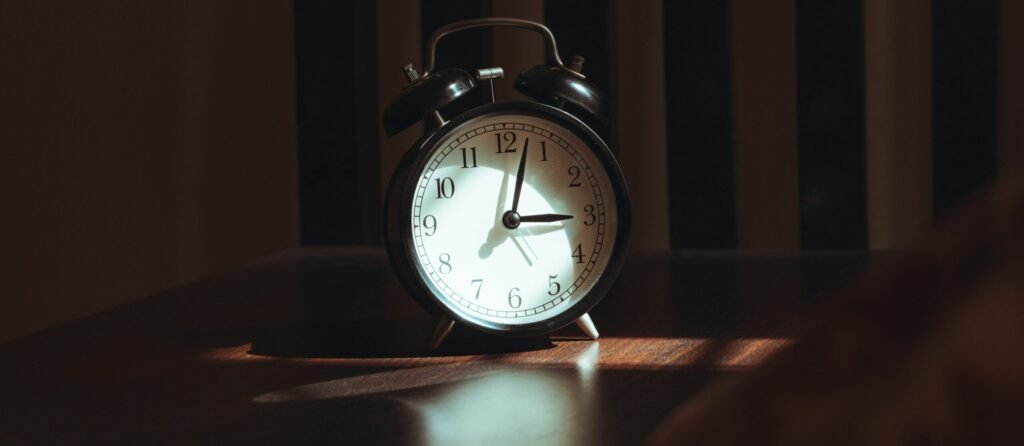
Is Your Body Clock Linked to Depression? What New Research Reveals
For some people, mornings are the hardest part of the day. Getting out of bed feels difficult, tiredness lingers long after waking, and concentration takes time to return. Yet by late evening, when it’s time to sleep, the mind may suddenly feel more alert.
These experiences can have several explanations, including sleep difficulties, stress and depression. Researchers are now paying closer attention to another possible factor: the body’s internal clock.
A study published in The British Journal of Psychiatry on 20 October 2026 explored a proposed subtype of depression associated with disrupted sleep-wake rhythms, evening preferences and seasonal changes in mood. The findings add to growing interest in personalised mental healthcare, although the research is still at an early stage.
What Is the Body Clock?
Your circadian rhythm is the internal timing system that helps coordinate sleep, alertness, hormone activity and other bodily processes across roughly 24 hours.
A small region of the brain called the suprachiasmatic nucleus acts as a central clock. Light entering the eyes provides important timing information, helping the brain align internal rhythms with the day-night cycle.
When these rhythms are out of step with daily life, sleep can become harder to manage. Someone might naturally feel sleepy late at night but need to wake early for school, work or family responsibilities. Over time, an inconsistent sleep schedule can contribute to tiredness and difficulty concentrating.
Circadian disruption is also associated with mood disorders. However, the relationship goes both ways: depression can disturb sleep, while sleep and timing difficulties may contribute to worsening mood. Researchers are still working to understand how these factors influence one another.
What Did the New Study Find?
Researchers led by Emiliana Tonini and Jacob J. Crouse, with senior researcher Ian B. Hickie among the authors, analysed data from the Australian Genetics of Depression Study.
The team examined information from 11,380 participants with depression-related data. Using a combination of self-reported characteristics—including evening chronotype, morning tiredness, longer sleep, seasonal changes and delayed sleep timing—they classified 2,604 participants, or approximately 23%, as having a proposed circadian subtype.
Compared with other participants in the study, this group reported more severe clinical features and a lower likelihood of reporting a good response to certain antidepressants, particularly selective serotonin reuptake inhibitors (SSRIs) and serotonin-noradrenaline reuptake inhibitors (SNRIs). They also reported more medication side effects.
These findings are important because they suggest that people diagnosed with depression may have different combinations of symptoms and biological influences.
But there are limitations. The researchers used self-reported information, including participants’ descriptions of medication response, rather than proving that a measured biological clock caused their depression or treatment difficulties. The proposed subtype also needs independent replication and further study before it can be treated as an established diagnostic category.
The 23% figure applies to this particular research cohort. It should not be interpreted as the proportion of everyone with depression who has a confirmed circadian disorder.
Why Sleep Timing May Matter
A pattern of feeling exhausted in the morning and alert late at night can be frustrating, particularly when daily responsibilities leave little room for a different schedule.
Seasonal changes may matter, too. Some people experience noticeable shifts in sleep, energy or mood when daylight hours change. These symptoms deserve attention, but they do not automatically mean someone has a circadian subtype of depression.
Depression is complex. Changes in sleep and energy can also occur with anxiety, other sleep disorders, medical conditions or medication effects. A clinician can help assess the wider picture instead of assuming that one symptom reveals the underlying cause.
Could Treatment Eventually Become More Personalised?
The researchers suggest that understanding circadian patterns could eventually help clinicians choose treatments more effectively.
Potential approaches include structured sleep-wake routines, appropriately timed light exposure and, in selected cases, clinician-guided melatonin or other treatments targeting circadian rhythms. Light therapy has also been studied for certain forms of depression, including seasonal affective disorder.
However, the new study did not test whether these interventions work specifically for people classified as having the proposed circadian subtype. More research is needed before the findings can establish which treatment is best for an individual.
Light therapy and melatonin are not suitable for everyone, and timing matters. People should speak with a healthcare professional before starting them for depression or significant sleep difficulties.
Most importantly, never stop or change prescribed antidepressants on your own because you suspect your body clock may be involved. If treatment is not helping, a clinician can review symptoms, side effects, sleep patterns and other treatment options with you.
Small Steps That Support Healthy Sleep Rhythms
You don’t need to diagnose yourself or completely overhaul your routine to start paying attention to sleep.
- Keep a reasonably consistent sleep and wake schedule that allows enough rest.
- Spend time outdoors during the day, especially in natural daylight.
- Create a relaxing wind-down routine and reduce bright light in the evening if it interferes with sleep.
- Notice whether changes in sleep, energy or mood follow a recurring pattern.
- Seek professional advice if persistent tiredness, low mood or sleep problems affect everyday life.
These habits may support sleep, but they are not substitutes for treatment when depression is present.
A More Personal Approach to Depression
The new research offers a useful reminder: depression does not look or feel exactly the same for everyone. For some people, disrupted sleep timing may be an important part of the clinical picture.
The findings do not mean that depression is simply a broken body clock, or that conventional antidepressants cannot help. Instead, they point towards a future in which clinicians may consider sleep rhythms and other individual characteristics more carefully when planning treatment.
If mornings feel overwhelming and nights bring unwanted alertness, those experiences are worth discussing with a healthcare professional. They are not a personal failing, and they do not mean that recovery is out of reach.
Understanding the relationship between mood, sleep and biological timing may eventually give clinicians more ways to help people find a treatment that works for them.
Photo by Suhas Hanjar on Unsplash
About Wellcore Weekly: Wellcore Weekly covers health, wellness, nutrition, sleep, fitness, and medical research with timely, easy-to-understand updates for everyday readers.
