
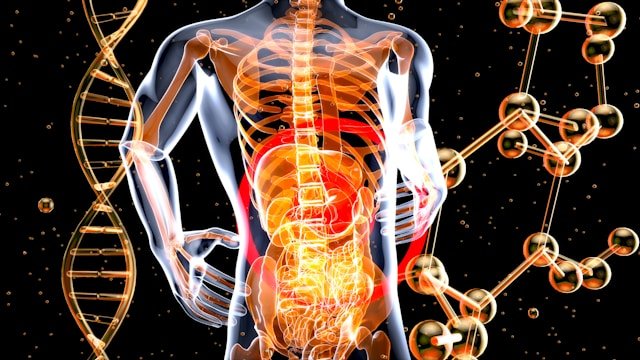
Your Body Is Constantly Rebuilding Itself The Fascinating Science of Cellular Renewal
It may sound unbelievable, but your body is in a continuous state of renewal. Every second, millions of old, damaged cells die and are replaced by new ones. It’s one of the most remarkable examples of nature at work—an invisible process that keeps you alive, heals injuries, and helps your organs function day after day.
This incredible ability to renew itself has sparked growing interest among scientists studying healthy aging and disease prevention. While our bodies are naturally designed to repair and rebuild, the quality of that renewal depends greatly on how we live.
Your Body Is Always Under Construction
There’s a popular belief that the human body completely replaces itself every seven years. While the idea captures the imagination, it’s actually an oversimplification.
The truth is that different parts of the body renew themselves at different speeds. Some tissues are replaced in just a few days, while others can last for decades—or even a lifetime.
For example:
- The lining of your intestines renews every three to five days because it’s constantly exposed to digestive acids and food particles.
- Your skin develops a fresh outer layer roughly every two to four weeks, shedding millions of dead cells each day.
- Red blood cells circulate for about 120 days before they’re replaced with new ones made in the bone marrow.
- Your liver has an impressive ability to regenerate after injury, although individual liver cells renew at varying rates.
- Your skeleton may seem solid and permanent, but bone tissue is continually broken down and rebuilt. Most of your skeleton is remodeled over roughly 10 years.
Some cells, however, are built to last. Many neurons in the brain and certain heart muscle cells remain with us for decades, though even these cells constantly repair and replace many of their internal components.
Rather than becoming an entirely “new person” every few years, you’re constantly renewing different parts of yourself throughout life.
Why Cellular Renewal Matters
Every day, your body experiences wear and tear.
Walking places stress on your joints. Sunlight damages skin cells. Exercise creates tiny muscle injuries that eventually make you stronger. Even breathing produces unstable molecules called free radicals that can damage cells over time.
Without continuous repair, these small injuries would quickly accumulate.
Cellular renewal allows your body to:
- Heal cuts and wounds
- Replace worn-out blood cells
- Repair damaged tissues
- Maintain healthy organs
- Support your immune system
- Keep your skin, muscles, and bones functioning properly
It’s one of the reasons humans can recover from illness, surgery, and everyday physical stress.
Why We Still Age
If our bodies constantly replace damaged cells, why don’t we stay young forever?
Scientists believe aging happens because the repair process gradually becomes less efficient.
As we grow older, cells accumulate damage from factors such as:
- Chronic inflammation
- Poor diet
- Smoking
- Air pollution
- Excessive ultraviolet (UV) exposure
- Lack of physical activity
- Ongoing psychological stress
Over time, some damaged cells stop dividing but don’t die as they should. These are known as senescent cells, often nicknamed “zombie cells.”
Instead of contributing to healthy tissue, senescent cells remain in the body and release inflammatory chemicals that interfere with nearby healthy cells. Researchers believe these cells play a role in many age-related conditions, including arthritis, cardiovascular disease, and metabolic disorders.
Understanding how these cells behave has become one of the most exciting areas of aging research.
The Role of Autophagy: Your Cells’ Recycling System
Another important process receiving growing scientific attention is autophagy, a natural cellular “housekeeping” system.
Autophagy allows cells to break down damaged proteins, worn-out structures, and other cellular waste so they can be recycled into new building blocks.
Think of it as your body’s internal recycling center.
When this process works efficiently, cells stay healthier and better equipped to handle stress. While researchers continue studying its role in aging and disease, it’s clear that healthy lifestyle habits help support this natural maintenance system.
Everyday Habits That Support Healthier Cells
Although no food or supplement can stop aging, daily habits can influence how well your cells repair themselves.
Prioritize Quality Sleep
Sleep is one of the most important times for cellular repair.
During deep sleep, the body releases hormones involved in tissue growth and recovery while the brain clears away accumulated waste products. Adults should aim for seven to nine hours of quality sleep most nights.
Eat Nutrient-Rich Foods
Every new cell your body builds requires raw materials.
A balanced diet rich in fruits, vegetables, whole grains, legumes, healthy fats, and lean proteins provides vitamins, minerals, antioxidants, and amino acids needed for cell growth and repair.
Colorful produce is especially valuable because it supplies antioxidants that help protect cells from oxidative stress.
Stay Physically Active
Exercise doesn’t just strengthen muscles—it stimulates renewal throughout the body.
Regular physical activity improves circulation, delivering oxygen and nutrients to tissues while helping regulate inflammation. Both aerobic exercise and strength training contribute to long-term cellular health.
Give Your Body Time to Recover
Constant stress leaves the body focused on survival rather than repair.
Taking time to relax through meditation, breathing exercises, spending time outdoors, or simply disconnecting from work helps reduce stress hormones that can interfere with healthy cellular function.
Avoid Habits That Accelerate Cellular Damage
Smoking, excessive alcohol consumption, poor sleep, and diets high in ultra-processed foods increase oxidative stress and inflammation, making it harder for your body to repair itself effectively.
Reducing these risk factors can help support healthier aging over time.
Looking at Health Differently
One of the most inspiring things about cellular renewal is that it reminds us our bodies are never completely fixed.
Our health isn’t determined by a single meal, one bad night’s sleep, or one workout. Instead, it’s shaped by the countless small choices we make every day.
Each nutritious meal provides building blocks for new cells. Every good night’s sleep allows tissues to recover. Every walk, workout, or stress-reducing habit contributes to a healthier internal environment.
While we can’t stop the passage of time, we can influence how well our bodies adapt and repair as the years go by.
Your body is performing an extraordinary feat every single day. Billions of cells are being replaced, repaired, and recycled to keep you functioning at your best.
Although this renewal process naturally slows with age, it never completely stops. By supporting your body with healthy nutrition, regular exercise, restorative sleep, and effective stress management, you’re giving those new cells the best possible foundation.
In many ways, the body you’ll have tomorrow is being built by the choices you make today. Every healthy habit is an investment in the next version of you.
Photo by julien Tromeur on Unsplash
About Wellcore Weekly: Wellcore Weekly covers health, wellness, nutrition, sleep, fitness, and medical research with timely, easy-to-understand updates for everyday readers.