
The Little Brain Why Your Heart Might Be Smarter Than You Think
We’ve all been there: that sudden “gut feeling” or the way your heart race-starts before you even realize why you’re nervous. For centuries, we dismissed these as mere metaphors for our emotions. We assumed the brain was the undisputed CEO of the body, barkin’ out orders while the heart just pumped away like a loyal, mindless machine.
But as it turns out, the heart has a secret. It isn’t just a pump; it’s a sophisticated processing center that scientists are now calling the “Little Brain.”
40,000 Reasons to Listen to Your Heart
According to pioneering research in neurocardiology, the human heart contains roughly 40,000 neurons. While that’s small compared to the billions in your skull, these “sensory neurites” allow the heart to act independently. It can learn, remember, and even make functional decisions—all without permission from the brain.
Even more mind-blowing? The heart actually sends more signals to the brain than it receives in return. It’s not just a one-way street; it’s a high-stakes conversation where the heart often gets the final word on how we feel and react to stress.
The Science of “Heart-Brain” Communication
The HeartMath Institute has highlighted that this connection happens through several channels:
- Neurological: Direct electrical signals through the nervous system.
- Biochemical: The heart produces hormones (like oxytocin, the “cuddle hormone”) that influence the brain.
- Energetic: The heart’s electromagnetic field is significantly stronger than the brain’s, potentially affecting those around us.
This explains why, in moments of extreme stress or intense love, our “heart” seems to process the information before our logical mind can even catch up. You aren’t just “feeling” an emotion; your heart is literally interpreting the world and reporting its findings to your head.
Our Take: Reclaiming Your Intuition
In our hyper-logical, data-driven world, we’ve been taught to ignore our “heartfelt” reactions in favor of “cold, hard logic.” But this science suggests that doing so might be a mistake.
If your heart is equipped with its own neural network and is constantly whispering to your brain, maybe it’s time we started taking those whispers seriously. Strengthening this “heart-brain” coherence—through breathing, mindfulness, or simply pausing to listen—might just be the key to better mental clarity and emotional resilience.
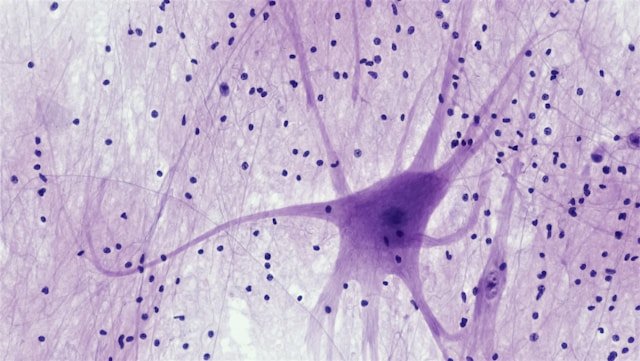
Photo by Bioscience Image Library by Fayette Reynolds on Unsplash
About Wellcore Weekly: Wellcore Weekly covers health, wellness, nutrition, sleep, fitness, and medical research with timely, easy-to-understand updates for everyday readers.