
The Great Toothpaste Foam Myth Why Your Bubbles Are Lying to You
We have a collective obsession with bubbles. From the rich lather of a high-end shampoo to the overflowing suds in a dish sink, our brains have been hardwired to believe a simple behavioral equation: more foam equals more clean. But when it comes to your morning brushing routine, that satisfying mouth full of white froth is doing a lot less work than you think. In fact, it might just be a clever psychological illusion engineered by consumer marketing.
Let’s be honest with ourselves. There is a distinct psychological comfort in a heavy foam. It feels active. It feels like it’s aggressively attacking plaque and rescuing our breath. Studies on consumer perception consistently back this up, proving that people overwhelmingly rate richer, longer-lasting toothpaste foam as “better cleaning,” despite no scientific evidence linking bubbles to plaque removal. We’ve imported this bias directly from our shower routines. If a soap doesn’t lather, we assume it’s broken or cheap. So, naturally, we demand the same chemical drama from our toothpaste.
The Chemistry Behind the Bubble Trap
Toothpaste manufacturers discovered this human quirk decades ago. To satisfy our craving for suds, they began adding specific surfactants—most commonly Sodium Lauryl Sulfate (SLS)—to their formulas.
From a clinical standpoint, SLS doesn’t actually clean your teeth; its primary job is to lower the surface tension of the liquid, creating those beautiful, distracting bubbles. It is an ingredient explicitly designed for your mind, not your enamel.
And it works brilliantly. We spit out a sink full of foam and tell ourselves we’ve done a stellar job. Meanwhile, the actual heavy lifters of oral hygiene are working quietly in the background, entirely independent of the bubble show.
📊 The Anatomy of a Clean Tooth
True oral health and plaque disruption rely on three unsexy, non-foaming pillars verified by dental professionals:
- Mechanical Action: Your manual brushing technique and the physical contact of the bristles with the tooth surface are what actually disrupt sticky biofilm and remove plaque.
- Mild Abrasives: Scientifically measured compounds like calcium carbonate or hydrated silica gently polish away surface stains without grinding down your protective enamel layer.
- Active Fluoride: The quiet hero of dental care that chemically bonds with your teeth to re-mineralize enamel and prevent cavities—completely unbothered by whether bubbles are present or not.
The Dark Side of the Suds: Why Less Might Be More
The irony here is that the very ingredient making your toothpaste feel so effective can actually be a nuisance to your oral tissue. Clinical dermatological research has repeatedly identified SLS as a known tissue irritant.
If you are prone to painful aphthous ulcers (canker sores) or suffer from chronic dry mouth (xerostomia), your hyper-foaming toothpaste might actually be compounding the problem by stripping away the mouth’s natural protective mucin layer.
When you strip away the foam, you’re left with a much clearer picture of true oral care. Some of the most advanced, dentist-recommended specialty toothpastes on the market—particularly those engineered for sensitive teeth or dry mouth relief—barely foam at all. Switching to an SLS-free or low-foam alternative can feel incredibly strange at first, almost like brushing with a thick lotion. But once you push past the initial psychological discomfort, you realize your teeth feel just as remarkably clean.
It’s time to stop judging our toothpaste by its theatrical performance. A mouth full of bubbles is a sensory trick, a marketing triumph that plays effortlessly on our evolutionary instincts.
The next time you brush, change your focus. Pay attention to the angle of your bristles, the time spent (a full two minutes), and uniform coverage—not the foam index. Your teeth don’t need a bubble bath; they need a proper clean.
References & Editorial Sources:
- Journal of Clinical Periodontology: Evaluation of surfactants in oral hygiene products.
- American Dental Association (ADA) guidelines on abrasives and dentifrice efficacy.
- Medical Disclaimer: This content is for informational and educational purposes only and does not substitute for professional medical advice, diagnosis, or treatment. Always seek the advice of your dentist or other qualified health provider with any questions you may have regarding a medical condition.*
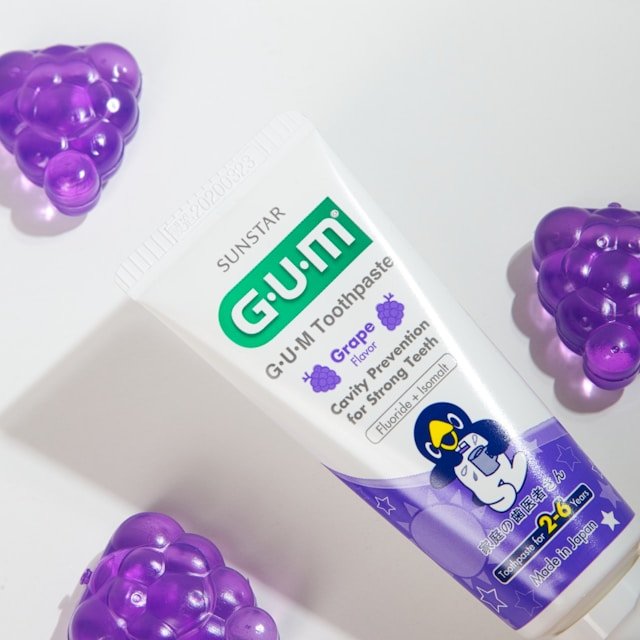
Photo by BINGYEN STUDIO on Unsplash
About Wellcore Weekly: Wellcore Weekly covers health, wellness, nutrition, sleep, fitness, and medical research with timely, easy-to-understand updates for everyday readers.