
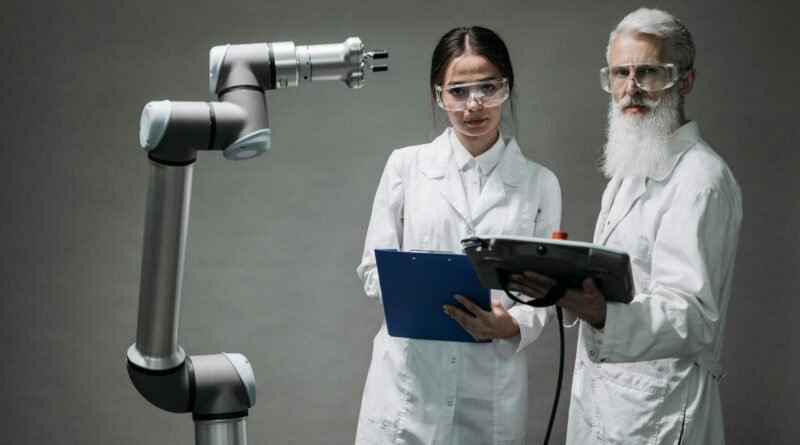
Telepresence Robots in Hospitals: A New Solution to Doctor Shortages
Hospitals across parts of the United States are beginning to use advanced technology to improve patient care and reduce pressure on medical staff. In some facilities in North Carolina, telepresence robots are now being deployed to help doctors interact with patients remotely.
These robots allow physicians to communicate with patients in real time—even when they are not physically present—offering a potential solution to staffing shortages and physician burnout.
What Are Telepresence Robots?
Telepresence robots are mobile devices equipped with cameras, microphones, screens, and internet connectivity. A doctor can control the robot remotely, moving it through hospital rooms and speaking directly with patients via video.
Unlike traditional medicine, which usually involves a fixed screen, these robots can move around the hospital, giving doctors more flexibility and allowing for a more interactive experience.
Why Hospitals Are Using This Technology
Healthcare systems are increasingly facing challenges such as:
- Doctor burnout
- Staff shortages
- High patient demand
To address these issues, hospitals are exploring technologies that allow doctors to extend their reach without being physically present in every location.
Telepresence robots enable physicians to:
- Check in on multiple patients quickly
- Consult with on-site medical staff
- Provide specialist input in underserved areas
This approach can help improve efficiency while maintaining patient access to care.
How Patients Experience Robot-Assisted Care
For patients, the experience typically involves interacting with a real doctor through a robot’s screen. The physician can see and hear the patient, ask questions, and provide guidance—just as they would during an in-person visit.
While some people may find the concept unusual at first, hospitals report that many patients adapt quickly once they understand that a real human doctor is behind the interaction.
Benefits and Concerns
Potential Benefits
- Faster access to medical professionals
- Reduced wait times
- Better support for rural or understaffed hospitals
- Improved workload balance for doctors
Common Concerns
- Less personal interaction compared to in-person visits
- Privacy and data security considerations
- Initial discomfort with robotic technology
Healthcare providers stress that these robots are designed to support—not replace—human doctors.
The Bigger Picture: Technology in Healthcare
The use of telepresence robots reflects a broader trend of integrating technology into healthcare systems. Tools such as telemedicine platforms, AI diagnostics, and remote monitoring devices are becoming more common as hospitals seek innovative ways to deliver care.
Organizations like the American Medical Association have highlighted the importance of balancing technological innovation with patient-centered care.
Conclusion
Telepresence robots are emerging as a practical response to growing challenges in healthcare, including staffing shortages and physician burnout. By allowing doctors to interact with patients remotely, hospitals can expand access to care while easing pressure on medical teams.
Although the technology may feel unfamiliar, it represents an evolving approach to healthcare—one where human expertise and digital tools work together to improve patient outcomes.
Sources
- American Medical Association – Telehealth and digital health innovations
- Reports on hospital technology adoption in North Carolina
- National Institutes of Health – Research on telemedicine and remote patient care
Photo by Pavel Danilyuk:
About Wellcore Weekly: Wellcore Weekly covers health, wellness, nutrition, sleep, fitness, and medical research with timely, easy-to-understand updates for everyday readers.