
Scientists Develop Experimental mRNA Cancer Vaccine That Could Strengthen the Body’s Immune Response
Over the past few years, mRNA technology has become widely known for its role in vaccines against infectious diseases. Now, researchers are investigating whether the same technology could also help the immune system recognize and fight cancer.
A recent study published in Nature Biomedical Engineering has drawn attention to an experimental mRNA-based cancer vaccine developed by scientists at the University of Florida. Early laboratory findings suggest the vaccine may help make certain tumors more visible to the immune system, potentially improving the effectiveness of existing cancer immunotherapies.
While the research is still in its early stages and has not yet been proven in large human clinical trials, it represents an exciting direction in cancer research.
How Cancer Hides From the Immune System
Under normal circumstances, the immune system constantly searches for abnormal cells and destroys many of them before they become dangerous.
Cancer, however, has evolved ways to escape this surveillance.
Some tumors develop mechanisms that allow them to avoid detection or suppress immune cells that would normally attack them. This is one reason why certain cancers continue growing despite the body’s natural defenses.
Modern immunotherapy aims to overcome these barriers by helping the immune system recognize and target cancer cells more effectively.
What Makes This Research Different?
Many experimental cancer vaccines are designed specifically for an individual patient based on the unique genetic features of their tumor.
The University of Florida researchers are exploring a different approach.
Instead of targeting a single mutation, their experimental mRNA vaccine is designed to stimulate a broader immune response that may help the body recognize tumors more effectively.
In preclinical research, the vaccine appeared to alter the tumor environment in ways that encouraged immune cells to become more active.
Researchers hope this strategy could complement existing immunotherapy treatments rather than replace them.
What Did the Study Find?
The findings come primarily from preclinical laboratory and animal studies.
Researchers observed that combining the experimental mRNA vaccine with immunotherapy helped:
- Increase immune activity around tumors.
- Slow tumor growth in several cancer models.
- Improve the effectiveness of existing immune checkpoint therapies.
- Produce encouraging responses in cancers that had previously resisted treatment.
These results are promising, but they do not yet demonstrate that the treatment is safe or effective for people.
Human clinical trials are needed before any conclusions can be made.
Could This Replace Chemotherapy?
Not at this stage.
Although headlines often describe experimental therapies as potential alternatives to chemotherapy, current evidence does not support replacing standard cancer treatments.
If future clinical trials prove successful, this type of vaccine would most likely become another treatment option, potentially used alongside:
- Immunotherapy
- Surgery
- Chemotherapy
- Radiation therapy
Cancer treatment is highly individualized, and the best approach depends on the type and stage of cancer.
Why mRNA Technology Is Generating Interest
One advantage of mRNA technology is its flexibility.
Researchers can design mRNA molecules relatively quickly compared with some traditional treatment approaches.
Scientists are now studying mRNA-based therapies for a wide range of diseases, including:
- Cancer
- Rare genetic disorders
- Infectious diseases
- Autoimmune conditions
This growing field may expand future treatment possibilities across many areas of medicine.
Before this experimental vaccine could become widely available, it must undergo several stages of testing, including:
- Phase 1 clinical trials to evaluate safety.
- Phase 2 studies to determine effectiveness.
- Larger Phase 3 trials comparing it with current standard treatments.
- Regulatory review before approval.
This process helps ensure that new therapies provide meaningful benefits while maintaining patient safety.
The University of Florida’s experimental mRNA cancer vaccine represents an exciting advance in cancer immunotherapy research.
Early laboratory findings suggest it may help the immune system recognize tumors more effectively and improve responses to existing immunotherapy treatments.
However, the research remains experimental, and it is too early to know whether the approach will become part of routine cancer care.
As clinical trials move forward, scientists hope these advances will contribute to safer, more targeted treatments that improve outcomes for people living with cancer.
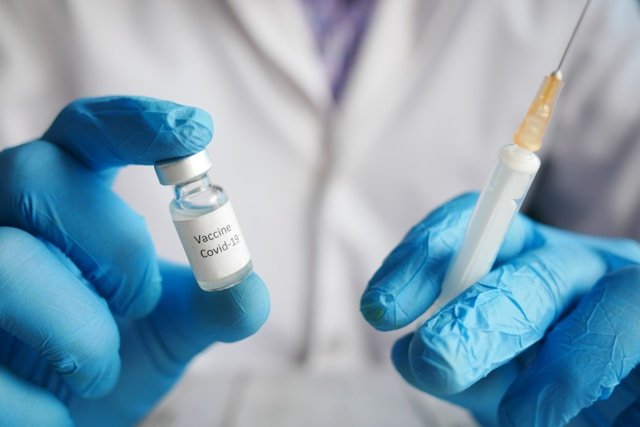
Photo by Towfiqu barbhuiya on Unsplash
About Wellcore Weekly: Wellcore Weekly covers health, wellness, nutrition, sleep, fitness, and medical research with timely, easy-to-understand updates for everyday readers.