
Paradigm Shift in Oncology Computational Network Models Successfully Force Malignant Cells into Healthy Reversion
The foundational philosophy of modern oncology has long resembled a scorched-earth campaign. To eliminate a malignant tumor, clinical medicine relies heavily on systemic destruction—deploying heavy chemotherapeutic agents, ionizing radiation, or aggressive surgical resections. While these protocols have extended millions of lives, they operate on a flawed biological reality: destroying tissue frequently induces severe toxicities, triggers immune suppression, and inadvertently selects for highly resistant, hyper-aggressive cellular mutations that drive tumor recurrence.
However, a pioneering study published in Advanced Science by a research team at the Korea Advanced Institute of Science and Technology (KAIST) has demonstrated a viable alternative to this cycle of destruction. Led by Professor Kwang-Hyun Cho of the Department of Bio and Brain Engineering, researchers have successfully utilized network biology and computational simulations to execute “reversible cancer therapy”—reprogramming colon cancer cells back into healthy, functional epithelial tissue without destroying them.
📊 Mapping Cellular Trajectories via Systems Biology
The conceptual foundation of Professor Cho’s research lies in reversing the natural mechanics of oncogenesis. During tumor development, healthy cells lose their specialized functional identities, essentially regressing backward along their evolutionary differentiation pathways into an unstable, proliferative state.
The Computational Architecture
Rather than relying on serendipitous screening methods, the KAIST team developed a highly sophisticated mathematical model known as BENEIN (Boolean Network Inference and Control). By processing single-cell RNA sequencing data from thousands of human intestinal cells, this “digital twin” accurately mapped the complex regulatory logic governing human gene networks.
- Network Mapping: The simulation analyzed an interactive grid of 522 genes and nearly 2,000 specific molecular interactions.
- The Master Switches: Through algorithmic landscape analysis, the model isolated a core trio of master regulatory transcription factors responsible for maintaining the malignant phenotype: MYB, HDAC2, and FOXA2.
| Target Regulatory Gene | Baseline Pathological Function in Colon Tumors | Simulated Intervention Outcome |
| MYB | Drives rapid, uncontrolled cellular proliferation. | Proliferation halted; differentiation initiated. |
| HDAC2 | Alters chromatin structure to silence tumor-suppressor pathways. | Epigenetic architecture restored to normal-like state. |
| FOXA2 | Disrupts lineage-specific tissue maturation. | Restores functional identity as healthy enterocytes. |
🔬 In Vitro Validation and In Vivo Success
To validate the computational predictions of the digital twin, the KAIST team transitioned from virtual modeling to laboratory validation. Utilizing colon cancer patient-derived organoids (three-dimensional tissue cultures that mimic human tumor architecture), the researchers applied targeted inhibitors to shut down the identified molecular switches.
The biological results were definitive. Upon the simultaneous inhibition of the target gene network, the aggressive, undifferentiated colon cancer cells ceased their rapid division and began changing their physical and functional characteristics. The cells re-expressed the exact transcriptome profiles typical of normal intestinal enterocytes—meaning the cancer did not die; it simply resumed its original, non-malignant role as healthy structural tissue.
Furthermore, in vivo testing on murine models confirmed the real-world efficacy of the therapy. Mice injected with the computational-reprogrammed cells exhibited significantly diminished tumor growth profiles compared to control groups, with the treated masses structurally resembling healthy, stable epithelial linings.
⚖️ Strategic Analysis: The Commercial and Clinical Horizon
The Analytical Take: From Chemical Warfare to Cellular Engineering
From a clinical strategy perspective, the implications of automated target identification via digital twin simulation cannot be overstated. Traditional pharmacology spends billions attempting to develop molecules that kill mutated cells while sparing healthy tissue—a margin of error that is notoriously narrow. By treating cancer as a reversible network malfunction rather than an unmanageable invasive entity, this approach paves the way for non-toxic, sustainable long-term maintenance protocols, effectively turning a lethal disease into a manageable, structurally curable cellular aberration.
While these results represent an extraordinary milestone for systems biology, transitioning from animal models to human clinical trials requires substantial translational research. Refining delivery mechanisms to ensure these specific transcription factor inhibitors reach deep tissue sites uniformly remains a primary challenge for biopharmaceutical developers. However, by establishing a replicable framework to map cell trajectories, the KAIST team has provided a definitive blueprint that can theoretically be applied to diverse solid tumor profiles, fundamentally changing our approach to oncological care.
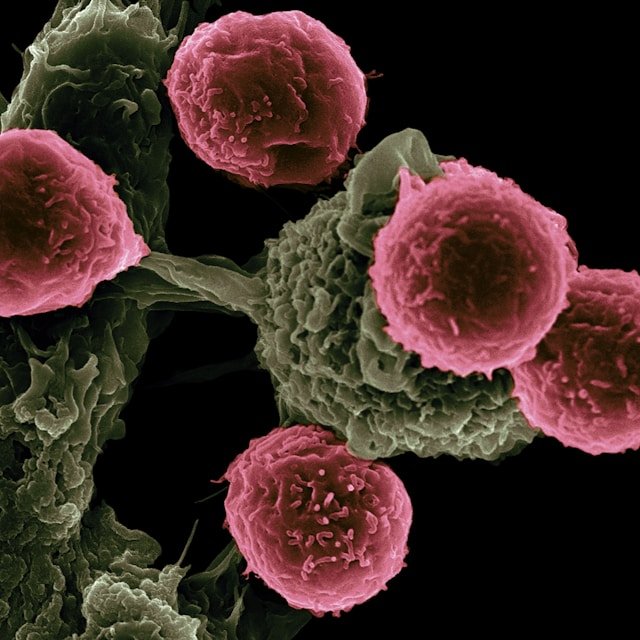
Photo by National Cancer Institute on Unsplash
About Wellcore Weekly: Wellcore Weekly covers health, wellness, nutrition, sleep, fitness, and medical research with timely, easy-to-understand updates for everyday readers.