
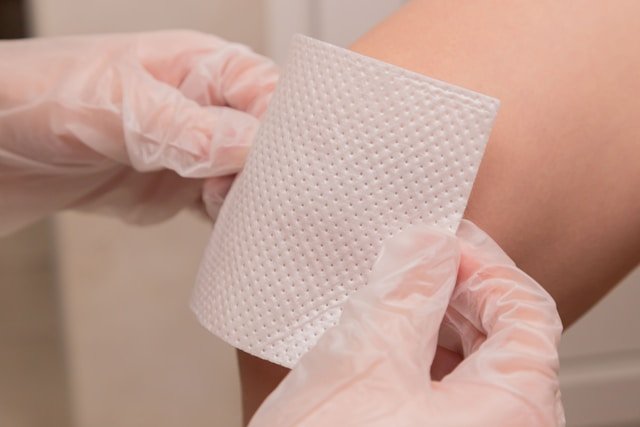
Shifting the Paradigm in Diabetes Care The Clinical Promise of Smart Microneedle Patches
For millions of individuals living with insulin-dependent diabetes, daily life is structured around a relentless routine of biological management. The constant calculation of carbohydrate intake, regular capillary finger-prick testing, and the logistical burden of multiple daily subcutaneous injections create a persistent baseline of physical and psychological stress.
While continuous glucose monitors (CGMs) and automated insulin pumps have significantly advanced patient care over the last decade, they remain highly medicalized, invasive tethering systems. However, emerging research into transdermal biomaterials suggests that the future of metabolic management could reside in an elegant, non-disruptive wearable: the smart microneedle patch.
The Engineering Behind the Patch
According to ongoing research and development updates regarding wearable drug delivery technologies—including pipelines monitored by pharmaceutical innovators like Cosmo Pharmaceuticals—these patches represent a sophisticated fusion of continuous monitoring and autonomous therapeutics.
Rather than utilizing a traditional hollow steel needle that penetrates deep into the subcutaneous tissue to interact with nerve endings, the smart patch utilizes an array of microscopic, biocompatible needles. These microneedles are designed to safely breach only the stratum corneum—the outermost, non-viable layer of the skin—to access the interstitial fluid beneath.
Because they do not reach the pain receptors located deeper within the dermis, application and wear are virtually painless.
Dual-Action Autonomy: Monitoring and Delivery
The true clinical breakthrough of this technology lies in its potential for closed-loop automation. Unlike passive transdermal patches used for nicotine or hormone delivery, a “smart” diabetes patch is engineered to be chemically responsive to the body’s real-time physiology.
- Glucose Sensing: The micro-matrix is embedded with glucose-sensing elements that constantly sample the interstitial fluid, measuring fluctuations in real time without requiring user intervention.
- Glucose-Responsive Release: When glucose concentrations cross a specific physiological threshold, the matrix undergoes a structural or chemical shift (such as a pH change or enzymatic reaction). This automatically triggers the localized release of insulin or other required therapeutics directly through the micro-channels.
This phased, automated delivery system mimics the natural endocrine function of a healthy pancreas far more closely than manual bolus injections ever could. By releasing micro-doses of medication exactly when the body demands it, the technology could substantially reduce the risk of nocturnal hypoglycemia—one of the most acute anxieties faced by individuals managing type 1 diabetes.
Overcoming the Translational Hurdles
While the clinical community is rightfully optimistic about the data coming out of early-stage trials, transitioning these devices from laboratory settings to widespread commercial manufacturing involves addressing significant technical barriers. Sustaining drug stability within a transdermal matrix under varying ambient temperatures, ensuring consistent skin permeability across diverse patient demographics, and maintaining cost-effective production models remain core focuses for developers.
Despite these challenges, the trajectory of metabolic medicine is shifting decisively away from invasive intervention and toward passive, intelligent preservation. If these bio-responsive patches successfully navigate upcoming regulatory phases, they will do more than simply eliminate the discomfort of daily needles—they will fundamentally redefine what it means to live with a chronic metabolic condition, replacing constant vigilance with seamless, automated care.
Photo by Diana Polekhina on Unsplash
About Wellcore Weekly: Wellcore Weekly covers health, wellness, nutrition, sleep, fitness, and medical research with timely, easy-to-understand updates for everyday readers.