
America’s Maternal Mortality Crisis What’s Driving Itand What Needs to Change
Why pregnancy and postpartum care remain a major U.S. health issue—and where meaningful solutions are emerging
The United States continues to face serious challenges in maternal health, from preventable pregnancy-related deaths and racial disparities to gaps in postpartum and rural care. Here’s what the latest evidence shows—and what can be done.
Pregnancy should be a time when people feel supported, informed, and cared for. Yet in the United States, maternal health remains a serious public health concern.
The latest finalized data from the Centers for Disease Control and Prevention (CDC) show that 649 women died from maternal causes in 2024, compared with 669 in 2023. The maternal mortality rate was 17.9 deaths per 100,000 live births in 2024. While that represents a slight decline from the previous year, the difference was not statistically significant.
Behind those numbers are families dealing with outcomes that, in many cases, could have been prevented.
Understanding the Maternal Mortality Crisis
Maternal mortality is not simply about what happens in the delivery room. Pregnancy-related health risks can develop during pregnancy, around childbirth, or after a baby is born.
The CDC defines pregnancy-related deaths more broadly as deaths during pregnancy or within one year after pregnancy when the death is related to pregnancy or aggravated by it. This distinction matters because serious health problems can continue well beyond hospital discharge.
Heart-related conditions, high blood pressure, infections, blood clots, and other complications can become medical emergencies if warning signs are missed or treatment is delayed.
Importantly, the CDC estimates that more than 80% of pregnancy-related deaths are preventable. Prevention can involve many different points in the healthcare system, including timely diagnosis, appropriate treatment, better communication, and stronger follow-up care.
Racial Disparities Remain One of the Biggest Challenges
One of the most persistent problems in U.S. maternal health is the unequal risk faced by different racial and ethnic groups.
In 2024, the maternal mortality rate for Black women was 44.8 deaths per 100,000 live births, compared with 14.2 for White women and 12.1 for Hispanic women. The rate for Black women was therefore more than three times the rate for White women.
These differences cannot be explained simply by income or education.
Maternal health outcomes are influenced by access to healthcare, the quality and continuity of care, underlying health conditions, social circumstances, and experiences within the healthcare system. Researchers and public health officials increasingly emphasize that reducing disparities requires addressing several of these factors at the same time.
That means improving care is not only about treating medical complications. It is also about making sure patients are heard, concerns are taken seriously, and appropriate care is available when it is needed.
Postpartum Health Deserves More Attention
The end of pregnancy does not mean the end of pregnancy-related health risks.
New parents often leave the hospital focused almost entirely on caring for their newborn. Their own recovery can become an afterthought, particularly when access to follow-up appointments is difficult.
The CDC recommends ongoing attention to maternal health during the postpartum period, including recognizing urgent warning signs and attending postpartum care.
Healthcare professionals can help by discussing symptoms that require urgent attention, monitoring conditions such as high blood pressure, and making it easier for patients to receive follow-up care.
This is especially important for people who face transportation problems, limited insurance coverage, childcare challenges, or difficulty accessing healthcare providers.
Rural Communities Face Additional Barriers
Where someone lives can also affect pregnancy care.
According to the Health Resources and Services Administration (HRSA), 35% of U.S. counties lack hospitals or birth centers offering obstetric care, with roughly 60% of those counties located in rural areas. HRSA also reports that pregnancy-related mortality is higher in rural counties than in urban counties.
For families living far from maternity services, routine appointments and emergency treatment can require significant travel.
Strengthening rural healthcare therefore needs to be part of the wider maternal health conversation. Expanding local services, improving referral systems, and supporting a strong healthcare workforce can help reduce some of these geographic barriers.
What Can Actually Improve Maternal Health?
There is no single solution to the maternal mortality crisis.
A stronger approach involves improving care before pregnancy, throughout pregnancy, during childbirth, and after delivery. It also requires healthcare systems to examine why preventable complications occur.
The CDC’s Maternal Mortality Review Committees are one example of this approach. These multidisciplinary groups examine pregnancy-associated deaths using medical and non-medical information to identify contributing factors and develop recommendations for preventing similar deaths in the future.
Better communication between patients and clinicians is another important part of the solution. Patients should know which symptoms require urgent medical attention, while healthcare professionals need systems that make it easier to recognize and respond to those concerns quickly.
A Health Crisis That Can Be Changed
The latest numbers show that the U.S. maternal mortality problem has not disappeared. Although the 2024 rate was slightly lower than in 2023, it remained a significant public health concern, and racial and geographic disparities continue.
The encouraging part is that maternal deaths are not inevitable. Many are preventable, which means there are opportunities to improve outcomes.
Better prenatal care, stronger postpartum support, accessible rural services, respectful communication, timely treatment, and closer examination of healthcare disparities can all contribute to safer pregnancies.
Maternal health should not be treated as an issue that matters only during childbirth. It is a continuum of care—and improving that continuum could save lives.
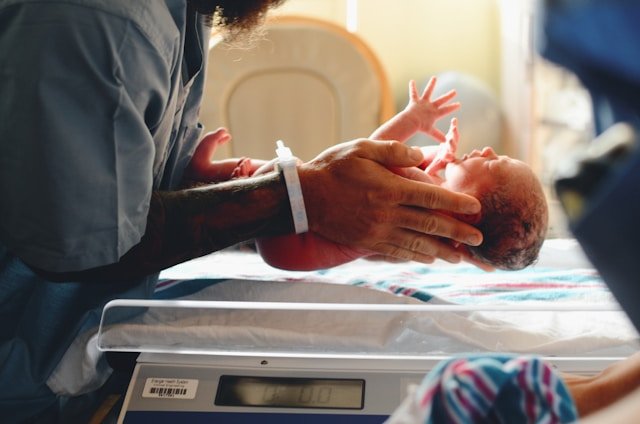
Photo by Christian Bowen on Unsplash
About Wellcore Weekly: Wellcore Weekly covers health, wellness, nutrition, sleep, fitness, and medical research with timely, easy-to-understand updates for everyday readers.