
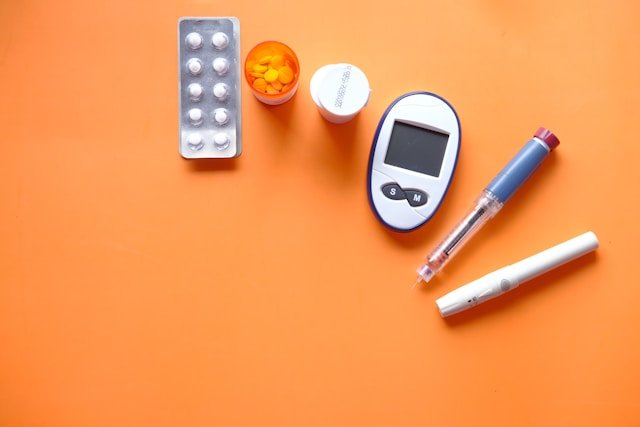
Medicare and Diabetes The Costs Coverage Rules and Savings Every Patient Should Know
From insulin and glucose monitors to prescription drugs, Medicare coverage has changed—but knowing what is actually covered can still be surprisingly complicated.
If you or a loved one manages diabetes on Medicare, a few important 2026 changes could make a meaningful difference to your healthcare budget.
Managing diabetes is about much more than checking blood sugar.
There are prescriptions to refill, glucose readings to track, doctor appointments to keep and supplies that have to be replaced regularly. For older adults living on a fixed income, there is another concern that can be just as stressful: How much will all of this actually cost?
The good news is that Medicare’s diabetes coverage has evolved considerably. But the rules depend on whether an item falls under Part B, Part D or a Medicare Advantage plan, and your personal costs can still vary.
Here is what Medicare beneficiaries should know in 2026.
The First Question: Is Your Diabetes Care Covered by Part B or Part D?
The answer can determine where you get your supplies—and what you pay.
One of the most confusing parts of Medicare is that diabetes treatment does not fall under a single benefit.
Part B generally handles diabetes equipment and certain medical supplies. This can include blood glucose monitors, test strips and continuous glucose monitors when eligibility requirements are met.
Part D generally covers prescription medicines you take yourself, including many diabetes medications and certain forms of insulin.
Medicare Advantage plans, meanwhile, must cover Medicare Part A and Part B services and generally include prescription drug coverage, although the specific plan rules, networks and costs can differ.
That distinction matters because the same diabetes-related treatment can have very different coverage rules depending on how it is supplied or administered.
The $2,100 Number Medicare Patients Should Know in 2026
A major Part D change has put a ceiling on annual out-of-pocket spending for covered prescription drugs.
For 2026, the standard Medicare Part D benefit has an annual out-of-pocket threshold of $2,100 for covered Part D drugs. After a beneficiary reaches that threshold, there is no cost-sharing requirement for covered Part D drugs during the catastrophic phase.
The standard Part D deductible for 2026 is $615. After the deductible, the standard benefit generally uses 25% coinsurance during the initial coverage phase until the annual out-of-pocket threshold is reached.
This does not mean every Medicare patient will personally spend exactly $2,100. Plan premiums, drugs that are not covered, supplemental insurance and other expenses can affect the overall household budget.
Still, the annual Part D limit is an important protection for people facing substantial prescription costs.
The $35 Insulin Rule Is Still One of the Biggest Changes
For many older adults who depend on insulin, federal price protections can make monthly costs much more predictable.
Medicare-covered insulin has a cost-sharing limit that generally means beneficiaries pay no more than $35 for a one-month supply of each covered insulin product. Medicare.gov notes that this applies to covered insulin under both Part B and Part D, although the exact rules differ depending on how the insulin is used.
For example, Part B can cover insulin used with certain covered external insulin pumps. Part D may cover insulin injected with a pen or needle, insulin used with certain pumps and inhaled insulin.
The important takeaway is simple: do not assume the pharmacy’s usual cash price is what you should pay.
If you are charged more than expected, ask the pharmacist or your Medicare plan to explain how the insulin is being processed.
Could Medicare Pay for Your Continuous Glucose Monitor?
For eligible patients, a CGM may be covered under Part B—but there are conditions.
Continuous glucose monitors have become increasingly important in diabetes care because they can show glucose trends rather than relying only on occasional finger-stick measurements.
Medicare may cover a CGM and related supplies under Part B’s durable medical equipment benefit if you have diabetes, your healthcare provider prescribes the device and you meet Medicare’s eligibility requirements.
For 2026, Medicare states that eligibility generally includes taking insulin or having a history of problematic low blood sugar. You and your caregiver, when applicable, must also receive adequate training to use the device.
After the Part B deductible, beneficiaries generally pay 20% of the Medicare-approved amount when the supplier accepts assignment.
That last point is worth remembering. Before receiving a CGM or other durable medical equipment, make sure the doctor and supplier are enrolled in Medicare and understand whether the supplier accepts assignment.
Don’t Forget the Humble Glucose Meter
PTTraditional blood-sugar testing remains an important part of diabetes care—and Medicare still covers many of the necessary supplies.
Not everyone needs or wants a CGM.
Medicare Part B covers prescribed blood glucose monitors and related equipment for eligible beneficiaries. Depending on your circumstances, this can include test strips, lancets and other testing supplies.
Medicare’s published guidance says beneficiaries who use insulin may qualify for larger quantities of testing supplies than those who do not use insulin, while additional supplies may be available when medically necessary and properly documented.
If your supplies suddenly cost more than expected, don’t simply stop testing. Ask your doctor, pharmacy or Medicare plan whether the prescription, supplier or coverage category needs to be corrected.
A Little-Known Option Can Make Prescription Bills Easier to Manage
The Medicare Prescription Payment Plan can spread eligible drug costs across monthly payments.
For some households, the problem isn’t necessarily the total annual cost—it’s the timing.
A large prescription bill early in the year can be difficult to absorb, particularly for someone living on a fixed monthly income.
The Medicare Prescription Payment Plan allows Part D enrollees to spread eligible out-of-pocket prescription costs across monthly payments instead of paying the full amount at the pharmacy. Every Medicare prescription drug plan is required to offer the option.
It is important to understand that the program does not reduce the total amount you owe. It changes when you pay it.
For someone struggling with an unexpectedly large pharmacy bill, however, that difference can make household budgeting much easier.
The Most Important Step Is Checking Your Own Plan
Medicare provides the framework, but your actual costs depend on your coverage.
Two people with diabetes can have Medicare and still receive different bills.
Your costs can depend on whether you have Original Medicare or Medicare Advantage, whether you have Part D, which medications are on your plan’s formulary, whether a supplier accepts Medicare assignment and whether you have supplemental coverage.
That is why generalized cost estimates can sometimes be misleading.
Before starting a new medication, CGM or piece of equipment, ask three questions:
Is it covered?
Which part of Medicare pays for it?
What will I actually owe?
Those three questions can prevent an unpleasant surprise later.
Diabetes Care Shouldn’t Become a Financial Guessing Game
Understanding the rules can help older adults protect both their health and their household budget.
Diabetes can already demand a great deal of attention. Worrying about whether an essential prescription or glucose sensor will suddenly become unaffordable only adds another burden.
The Medicare changes now in place—including the $2,100 Part D out-of-pocket threshold, insulin cost protections and expanded access to diabetes technology for eligible patients—are important steps toward making treatment more predictable.
But Medicare remains complicated, and coverage can change from one plan to another.
For older adults managing diabetes, the smartest approach is not to guess at the pharmacy counter. Review your plan, ask questions before ordering equipment and speak with your healthcare provider or Medicare plan when something doesn’t look right.
A few minutes spent checking coverage could save considerably more—and, more importantly, help ensure that cost concerns never become a reason to neglect essential diabetes care.
Photo by Towfiqu barbhuiya on Unsplash
About Wellcore Weekly: Wellcore Weekly covers health, wellness, nutrition, sleep, fitness, and medical research with timely, easy-to-understand updates for everyday readers.