
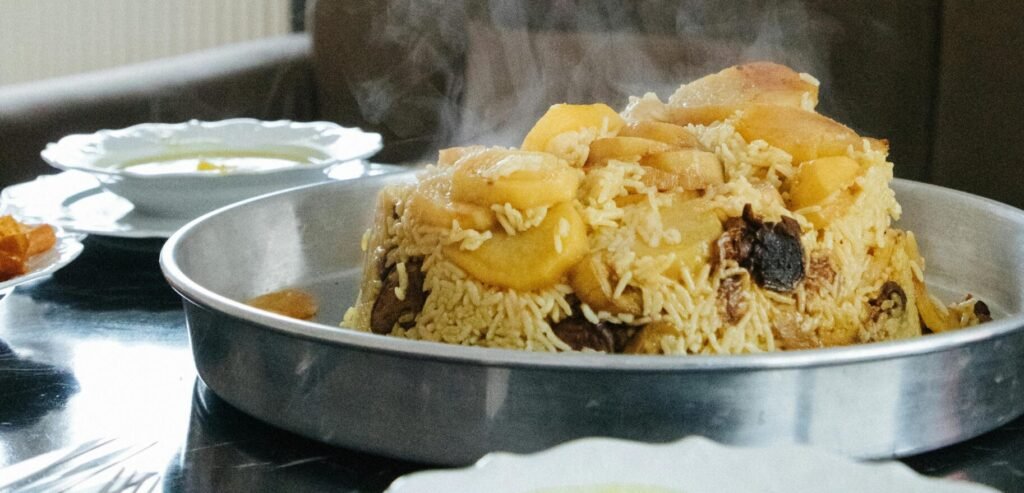
Why Cooled Rice and Potatoes Might Be Better for Your Blood Sugar
Freshly cooked rice, soft potatoes, or a warm bowl of pasta—comfort foods we all enjoy. But what many people don’t realize is that the way you prepare and store these foods can slightly change how your body responds to them.
It’s not about cutting them out of your diet. It’s about understanding what happens after they cool down.
What Changes When Starchy Foods Cool?
When foods like rice, potatoes, or pasta are cooked, their starch becomes easy to digest. That’s why they can raise blood sugar levels relatively quickly.
But once these foods cool down, something interesting happens. A portion of that starch changes form and becomes what scientists call resistant starch.
As the name suggests, resistant starch “resists” digestion in the small intestine. Instead of being broken down quickly like regular starch, it behaves more like dietary fiber.
Why Resistant Starch Matters
Because resistant starch isn’t rapidly digested, your body processes it more slowly. This can lead to:
- More stable blood sugar levels
- Smaller spikes in insulin after eating
- Better support for overall metabolic health
It’s a subtle shift—not a dramatic transformation—but one that researchers find worth exploring, especially for people trying to manage energy levels or blood sugar.
Does Reheating Change Everything Back?
Here’s the good news: reheating cooled rice or potatoes doesn’t completely reverse this process. A portion of the resistant starch remains, meaning you can still get some of the benefits even when eating the food warm again.
However, it’s important to keep expectations realistic.
- The total calories stay about the same
- The change mainly affects how your body digests the starch, not how much energy the food contains
The Bigger Picture
While this idea is fascinating, it’s only one small piece of a much larger puzzle.
Nutrition experts consistently emphasize that blood sugar control and overall health depend on:
- Portion sizes
- Balanced meals (protein, fats, fiber)
- Regular physical activity
- Long-term eating habits
In other words, cooling your rice isn’t a magic trick—but it can be a smart, simple adjustment within a healthy lifestyle.
Simple Ways to Try It
If you’re curious, it’s easy to experiment:
- Cook rice, potatoes, or pasta as usual
- Let them cool and store in the fridge for a few hours or overnight
- Reheat when ready to eat
You probably won’t notice a big difference in taste, but your body may process it a little differently.
A Small Shift That Adds Up
Nutrition isn’t always about big changes. Sometimes, it’s the small, everyday habits that quietly make a difference over time.
Cooling your starchy foods won’t transform your diet overnight—but it’s a simple, science-backed tweak that can support better balance in the long run.
And sometimes, that’s exactly where real progress begins.
About Wellcore Weekly: Wellcore Weekly covers health, wellness, nutrition, sleep, fitness, and medical research with timely, easy-to-understand updates for everyday readers.