
The Hidden Hearing Threat Everyday Noise Could Be Damaging Your Ears
Loud earbuds, concerts, traffic and power tools can expose your ears to harmful sound levels without obvious warning. Here is how to protect your hearing before problems become permanent.
Hearing damage often develops gradually and without pain. Understanding everyday noise exposure, earbud habits and simple prevention can help protect hearing for years to come.
Hearing loss is often associated with getting older, but age is no longer the only concern.
For many people, potentially harmful noise has become part of everyday life. Earbuds accompany morning commutes, phones play continuously in the background, gyms blast music, and concerts and sporting events can expose people to extremely loud sound.
The worrying part is that noise-related hearing damage usually does not hurt.
You might notice ringing after a concert or temporarily muffled hearing after using headphones. Those symptoms can disappear, creating the impression that everything has returned to normal. But repeated exposure to loud sound can gradually damage delicate structures inside the inner ear.
Why Loud Sound Can Cause Permanent Damage
Deep inside the inner ear are microscopic sensory cells that help convert sound vibrations into signals the brain can understand.
These cells are extremely delicate.
Repeated exposure to excessive noise can damage them and the connections involved in sending sound information to the brain. Unlike some other cells in the body, the sensory hair cells responsible for human hearing do not naturally regenerate once they are destroyed.
That is why prevention matters.
Noise-induced hearing loss can develop slowly, making it easy to overlook until conversations become harder to follow or background sounds become increasingly difficult to separate.
It’s Not Just About Volume
How loud a sound is matters, but duration matters too.
A moderately loud sound experienced for hours can be more concerning than a very brief exposure. The risk increases as sound intensity rises.
For example, workplaces involving machinery, construction equipment and industrial noise can create substantial exposure over a full working day.
Entertainment can also be surprisingly loud.
Concerts, nightclubs, sporting events and some personal audio devices can reach levels where prolonged exposure becomes hazardous.
A simple warning sign is physical discomfort or ringing in your ears after leaving a noisy environment. These symptoms suggest that your ears have experienced substantial sound exposure and are worth taking seriously.
Earbuds: Convenient but Easy to Overuse
Earbuds themselves are not automatically dangerous.
The problem is often volume, duration and listening environment.
On a noisy bus or train, people may increase their headphone volume simply to overcome surrounding sounds. Listening for hours can then expose the ears to much more sound energy than intended.
Noise-cancelling headphones or earbuds can sometimes help because they reduce the need to compete with background noise.
Another useful habit is taking regular quiet breaks rather than listening continuously throughout the day.
If someone nearby can easily hear your music while you are wearing earbuds, the volume may be higher than necessary.
Cotton Swabs Can Create a Different Problem
Noise isn’t the only threat to hearing.
Many people routinely use cotton swabs to clean inside their ears. It seems harmless, but inserting objects into the ear canal can push wax deeper and potentially irritate or injure the canal.
Earwax is not simply dirt that needs to be removed. It helps protect the ear canal and normally moves outward naturally.
If wax becomes impacted and causes hearing problems, pain or a blocked sensation, professional evaluation is safer than trying to dig it out yourself.
Never insert sharp objects into the ear canal.
Hearing and Overall Health
Hearing health also deserves attention as part of general health.
Hearing loss has been associated with several conditions, including diabetes and cardiovascular disease, although these relationships are complex and do not mean that one condition automatically causes the other.
Smoking, uncontrolled blood pressure and poor metabolic health can affect blood vessels throughout the body, including the tiny vessels supplying the structures involved in hearing.
Taking care of cardiovascular and metabolic health is therefore another sensible part of protecting hearing.
Simple Ways to Reduce Your Daily Exposure
You don’t have to avoid concerts, sporting events or your favorite music.
A few practical changes can substantially reduce unnecessary exposure.
Give your ears quiet breaks.
After spending time somewhere loud, move to a quieter environment and give your ears a chance to recover.
Move away from speakers.
At concerts and events, increasing your distance from large speakers can significantly reduce the sound reaching your ears.
Use hearing protection.
Earplugs or earmuffs are particularly important around power tools, machinery and other loud equipment.
Keep headphone volume moderate.
If you need to turn your headphones up to hear over surrounding noise, consider reducing the background noise instead.
Don’t ignore persistent ringing.
Tinnitus that repeatedly occurs after noise exposure deserves attention, especially if it becomes persistent.
When Should You Get Your Hearing Checked?
Don’t wait until hearing loss becomes obvious.
A hearing evaluation can be useful if you frequently struggle to understand conversations, regularly ask people to repeat themselves, have persistent ringing in your ears or notice that sounds seem muffled.
People who work around loud machinery or regularly attend very loud events may also benefit from periodic hearing checks.
Sudden hearing loss—particularly in one ear—should be treated as a medical concern and assessed promptly.
Protecting Hearing Starts With Small Habits
Hearing loss can feel like an inevitable part of aging, but some forms are preventable.
The goal isn’t to live in silence. It is to become more aware of how much noise your ears encounter every day.
Turn down the volume. Step away from loud speakers. Wear protection around machinery. Give your ears quiet periods. And leave the cotton swabs outside the ear canal.
Your ears may not complain when damage is beginning.
That is precisely why protecting them before you notice a problem is so important.
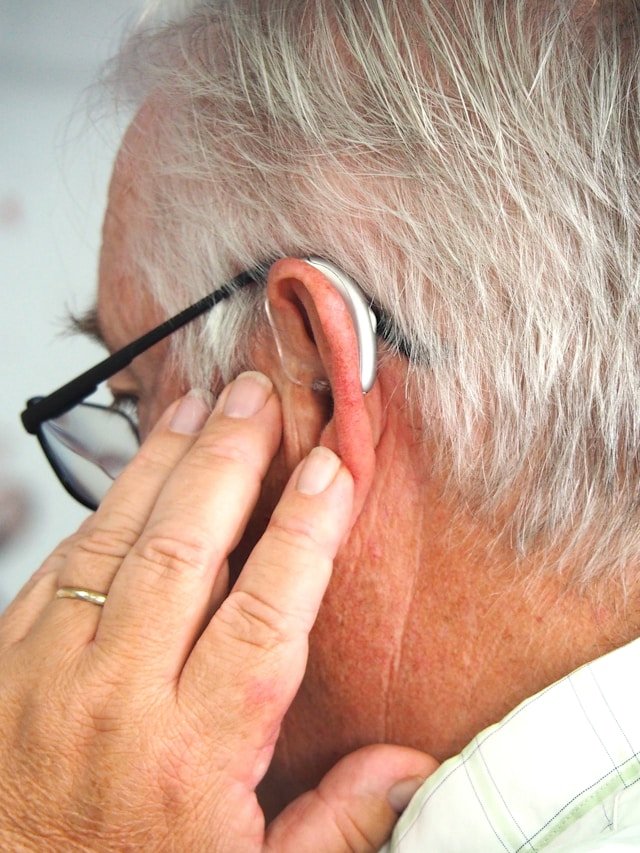
Photo by Mark Paton on Unsplash
About Wellcore Weekly: Wellcore Weekly covers health, wellness, nutrition, sleep, fitness, and medical research with timely, easy-to-understand updates for everyday readers.