
The Grandparent Advantage The Biological Reason Kids Need Nana and Papa in Their Lives
We often look at the bond between grandchildren and grandparents as something purely sentimental—a sweet dynamic defined by baked goods, relaxed rules, and extra screen time.
But behind those cozy family visits lies a profound biological safety net.
If you want to raise kids who can navigate our chaotic, high-anxiety world without breaking, you need to stop viewing grandparents as occasional babysitters and start viewing them for what they truly are: a vital, health-promoting resource for your child’s developing brain.
The Harvard Science: Buffering the Nervous System
This isn’t just warm-and-fuzzy parenting advice. It is hard developmental biology. Groundbreaking research highlighted by Harvard’s Center on the Developing Child confirms that supportive, stable relationships with caring adults act as a literal, physical buffer against childhood stress.
When a child faces adversity—whether it’s the playground anxiety of a new school year, a scary doctor’s visit, or family instability—their body sounds an internal alarm. Heart rates spike, blood pressure rises, and stress hormones like cortisol flood the system.
If that stress goes unchecked, it can actually damage the delicate architecture of a child’s developing brain.
The Neurological Shield: When a child has a reliable, warm relationship with an adult, it triggers a neurological cooldown. Safe connections signal the nervous system to down-regulate, returning stress hormones back to baseline levels before they can do systemic damage.
This is where grandparents step in. Because they are often insulated from the frantic, day-to-day grind of immediate parenting (the rushing to soccer practice, the arguments over homework), they are uniquely positioned to offer an incredibly steady, unhurried, and unconditionally caring presence.
The Real-World Payoff: Lower Depression, Calmer Kids
What happens when you integrate this multigenerational shield into a child’s life? The medical and psychological data is crystal clear. Kids who maintain strong, regular relationships with their grandparents consistently show:
- Significantly lower rates of depression as they grow older.
- Muted, healthier stress responses when life throws curveballs.
- Significantly higher levels of empathy and emotional intelligence.
By anchoring a child in a wider circle of safety, you are essentially giving them an emotional shock absorber. They learn that the world is a secure place, that they are deeply valued, and that their support system doesn’t end at their bedroom door.
Rethinking the Family Circle
In our modern, fast-paced society, we’ve hyper-isolated the nuclear family. We isolate ourselves in tiny bubbles, burning out parents while leaving a massive, untapped reservoir of wisdom and emotional stability sitting on the sidelines.
Obviously, logistics or family dynamics mean not everyone has a perfect Norman Rockwell relationship with extended family. But the core takeaway from the science remains a universal truth: your kids need a village. If you have grandparents who are willing and able to step up, clear the schedule and let them in. It might just be the best health investment you ever make for your child’s future.
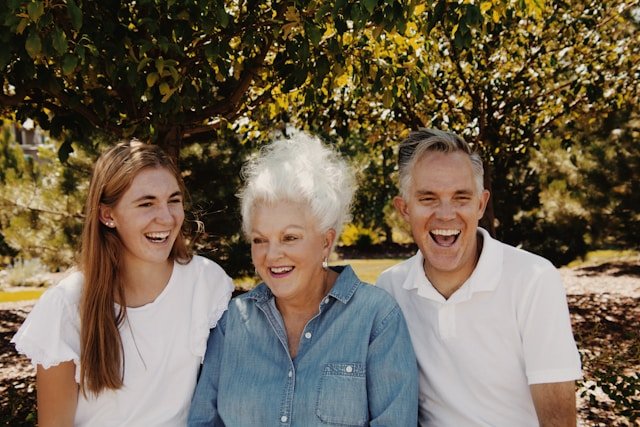
Photo by LOGAN WEAVER | @LGNWVR on Unsplash
About Wellcore Weekly: Wellcore Weekly covers health, wellness, nutrition, sleep, fitness, and medical research with timely, easy-to-understand updates for everyday readers.