
Paternal Trauma May Leave Molecular Traces in Sperm, Researchers Find
New research is revealing how a father’s early-life experiences may be linked to changes in sperm DNA methylation and small RNAs—but scientists caution that the effects on future children are not yet proven.
Paternal Epigenetics: What Stress and Childhood Adversity May Leave Behind
For years, conversations about health before pregnancy have focused heavily on mothers. Nutrition, exercise, stress and medical care are all recognized as important before conception. But researchers are increasingly asking a different question: could a father’s own experiences also leave biological traces that matter at conception?
New research suggests the answer may be more complicated than previously thought.
A 2025 study published in Molecular Psychiatry examined men who had experienced childhood maltreatment and found differences in several epigenetic features of their sperm. The findings add to growing scientific interest in the possibility that environmental and psychological experiences can influence the molecular information carried by sperm.
Looking Beyond the DNA Sequence
Epigenetics refers to biological changes that influence how genes are regulated without changing the underlying DNA sequence itself.
In sperm, researchers are particularly interested in DNA methylation and small non-coding RNAs. These molecules can influence gene activity and may play roles in the earliest stages of development following fertilization.
The Finnish study compared men with higher and lower scores for childhood maltreatment exposure. Researchers identified three genomic regions with different DNA-methylation patterns and found 68 small RNAs, including transfer-RNA-derived small RNAs and microRNAs, that differed between the groups.
Among the findings were changes near the CRTC1 and GBX2 genes, which have roles associated with brain development. The researchers said the results provide evidence that early-life stress is associated with changes in the paternal germline epigenome and could potentially influence developmental processes in the next generation.
That last point is important: potentially does not mean proven.
Does a Father’s Trauma Determine a Child’s Future?
Not according to the evidence available today.
It would be misleading to say that a father’s childhood trauma is directly “rewritten” into his children or that it determines their emotional health, immune system or resilience.
The study measured molecular differences in sperm. It did not follow enough offspring to demonstrate that those specific sperm changes caused particular health outcomes in children. Other factors—including genetics, pregnancy, family environment, parenting, socioeconomic conditions and a child’s own experiences—can influence development.
A separate systematic review published in 2025 reached a similarly cautious conclusion. Researchers examining human studies of paternal exposures and offspring epigenetics found that much of the existing evidence had substantial risk of bias, with confounding and inconsistent findings limiting strong causal conclusions.
Why Scientists Are Paying Attention
Despite those limitations, the research matters because it challenges an overly simple view of paternal contribution.
Sperm carries far more than a DNA sequence. Researchers are studying how its molecular environment—including DNA methylation, RNA molecules and chromatin-related features—may respond to factors such as smoking, diet, obesity, stress and other environmental exposures.
The field is still developing, but animal research has provided particularly strong evidence that paternal exposures can alter sperm molecular signals and subsequently affect offspring biology. Recent research continues to investigate these mechanisms, including how paternal immune activation can alter sperm small RNAs and offspring traits in mice.
The challenge is determining which findings in laboratory models translate to humans.
A More Complete View of Preconception Health
The emerging research does not mean prospective fathers should feel responsible for every future health outcome of their children.
Instead, it reinforces a broader message: preconception health involves both parents.
Maintaining good physical and mental health before conception has established benefits for the individual, while researchers are investigating whether improvements in lifestyle and health can also influence sperm biology.
There is some evidence that sperm epigenetic profiles can respond to environmental and lifestyle factors, but claims that therapy, exercise or stress reduction can “erase” traumatic epigenetic marks and guarantee healthier children go beyond what current human research can establish.
That distinction is especially important when discussing mental health.
The Bigger Picture
Scientists are beginning to see sperm as a dynamic biological system rather than simply a delivery mechanism for DNA.
The 2025 Molecular Psychiatry study provides another piece of that puzzle. It shows that childhood maltreatment is associated with measurable differences in sperm DNA methylation and small RNA profiles.
What remains unanswered is perhaps even more fascinating: whether these molecular differences survive the dramatic epigenetic reprogramming that occurs after fertilization, whether they influence embryonic development, and whether they ultimately affect health later in life.
Those questions will require larger, carefully controlled human studies.
For now, the strongest conclusion is also the most responsible one. A father’s experiences may leave molecular fingerprints in sperm, but scientists are still determining what those fingerprints mean—and how much, if anything, they influence the next generation.
The research opens an intriguing window into intergenerational biology. It does not yet provide a biological verdict on a child’s future.
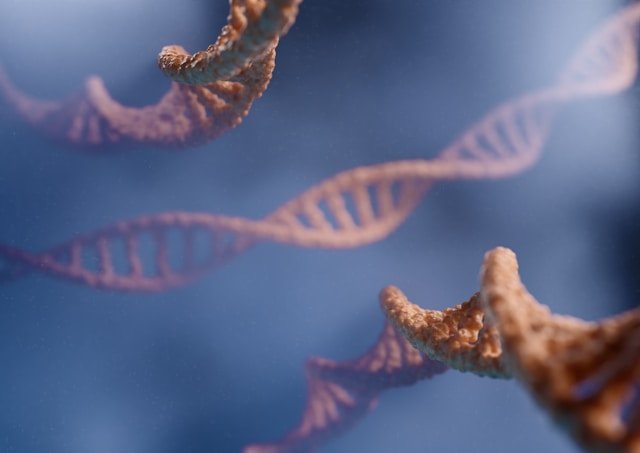
Photo by digitale.de on Unsplash
About Wellcore Weekly: Wellcore Weekly covers health, wellness, nutrition, sleep, fitness, and medical research with timely, easy-to-understand updates for everyday readers.