
Is White Rice Actually Bad for You? A Balanced Look at Its Real Health Impact
From blood sugar concerns to a beloved everyday staple, white rice is more complicated than its reputation suggests. Here is what its nutrition really means for your health.
White rice is often described as either a harmless staple or a food that should be avoided. The truth is more nuanced. How rice is processed, what you eat with it and how much you serve can all influence its place in a healthy diet.
White rice has become an easy target in modern nutrition conversations. It is often grouped with foods that supposedly cause blood sugar problems, weight gain or poor metabolic health. At the same time, it remains a familiar and affordable food for millions of families and an important part of many traditional diets.
So, is white rice actually bad for you?
Not necessarily.
The more useful question is how white rice fits into your overall eating pattern.
What Happens When Rice Becomes White Rice?
Rice begins as a whole grain containing three main parts: the bran, germ and starchy endosperm.
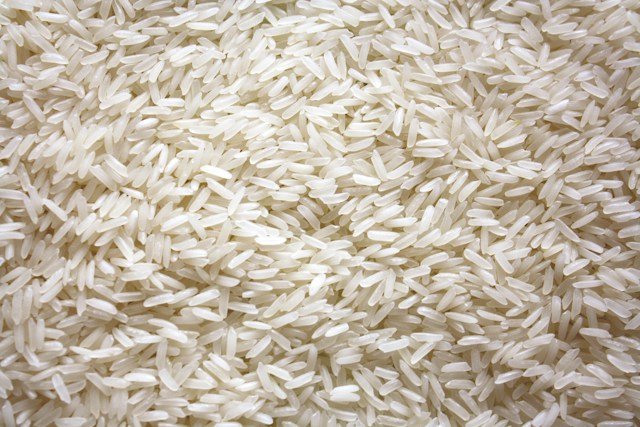
During milling, the bran and germ are removed, leaving mostly the endosperm. This process gives white rice its softer texture, milder taste and longer shelf life, but it also removes much of the naturally occurring fiber and some nutrients found in the outer layers.
Some white rice is enriched after processing with nutrients such as iron and B vitamins. That can help restore certain micronutrients lost during milling, but enrichment does not completely recreate the fiber and plant compounds found in the original whole grain.
That distinction matters because fiber plays an important role in digestion and blood-sugar regulation.
Why Blood Sugar Gets So Much Attention
One of the biggest health questions surrounding white rice is its effect on blood glucose.
Because white rice contains relatively little fiber, its starch can be digested relatively quickly. Depending on the variety, preparation and meal, this can produce a noticeable rise in blood glucose after eating.
For someone with diabetes or another condition involving blood-sugar management, this is worth paying attention to.
But there is an important point that often gets lost online: a food does not have the same metabolic effect when eaten in isolation as it does when it is part of a complete meal.
A bowl of plain rice is different from a meal containing rice alongside vegetables, beans, fish, tofu, chicken or other protein-rich foods.
The rest of the meal can influence digestion, fullness and the overall rise in blood glucose.
The Fiber Gap Matters
White rice’s biggest nutritional limitation may not be that it contains carbohydrates. Carbohydrates can absolutely be part of a balanced diet.
The issue is that white rice provides much less fiber than many intact whole grains.
Fiber supports digestive regularity and contributes to fullness. It also affects how quickly carbohydrates are digested and absorbed.
That is one reason a meal built almost entirely around white rice may be less satisfying than a meal that combines a moderate serving of rice with vegetables, legumes and a source of protein.
This does not mean white rice needs to disappear from the plate. It means the foods surrounding it matter.
What About Weight and Appetite?
Another common criticism is that white rice automatically leads to overeating.
The reality is more complicated.
A food’s effect on appetite depends on the entire meal, portion size, individual needs and eating habits. White rice itself is not a special trigger that guarantees weight gain.
However, because it is relatively low in fiber, a meal dominated by plain white rice may not provide the same level of fullness as one that also contains vegetables, beans or other fiber-rich foods.
For older adults especially, this is a useful reminder that nutritional quality is about more than eliminating individual foods. Meals should provide enough protein, fiber, vitamins and minerals while still being enjoyable and practical.
You Do Not Have to Give Up White Rice
For people who grew up eating rice regularly, completely eliminating it may be unnecessary and unrealistic.
Food is not just about nutrients. It is also connected to culture, family traditions, affordability and enjoyment. White rice remains an important staple in many cuisines around the world.
A more practical approach is to improve the overall meal.
Try serving white rice with plenty of non-starchy vegetables and a protein source such as beans, lentils, tofu, fish or poultry. Healthy fats can also be included as part of the meal.
You can also experiment with other grains and rice varieties, including brown rice, wild rice, barley, quinoa or other whole-grain options.
Variety makes it easier to obtain a broader range of nutrients without turning your diet into a list of forbidden foods.
Does Cooling Rice Change Anything?
There is also interest in what happens when cooked rice is cooled before being eaten.
Cooling cooked starch can increase the formation of resistant starch, a type of carbohydrate that is less readily digested in the small intestine. This has attracted research interest because resistant starch can behave in some ways like dietary fiber.
However, this should not be viewed as a magic trick that transforms white rice into a health food. Preparation, storage and reheating also matter, particularly from a food-safety perspective.
The bigger picture remains more important than a single cooking technique.
White rice is neither a nutritional villain nor a miracle food.
It is a refined grain that provides carbohydrates and energy while offering considerably less natural fiber than intact whole-grain alternatives. Its effect on blood sugar can be particularly relevant for people managing diabetes or other metabolic concerns.
But that does not mean everyone needs to stop eating it.
For many people, a moderate serving of white rice can fit comfortably into a balanced meal. Pairing it with vegetables, protein and other nutrient-rich foods is a simple way to make the meal more satisfying and nutritionally diverse.
If you have diabetes or have been advised to monitor your blood glucose, your individual response matters. A healthcare professional or registered dietitian can help you determine appropriate portions and meal combinations for your needs.
The goal is not to fear the foods you enjoy. It is to understand them well enough to build healthier meals around them.
Photo by Kseniya Nekrasova on Unsplash
About Wellcore Weekly: Wellcore Weekly covers health, wellness, nutrition, sleep, fitness, and medical research with timely, easy-to-understand updates for everyday readers.