
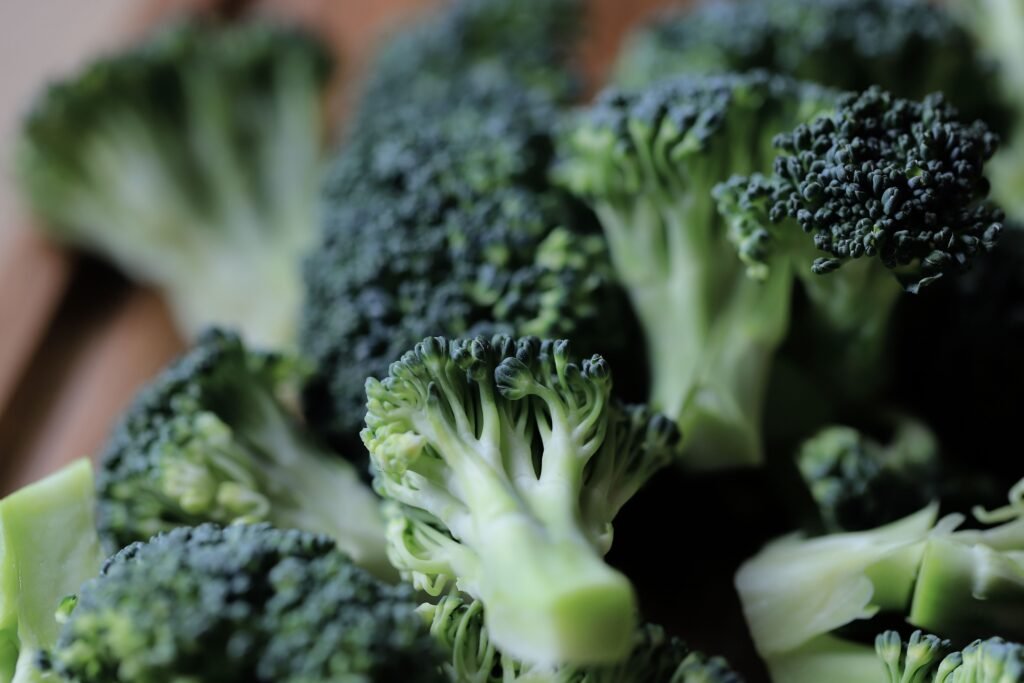
The Broccoli Trick: Why Letting It Rest Before Cooking May Boost Its Benefits
Broccoli is a familiar sight on dinner plates, yet the way we prepare it can influence some of the beneficial compounds it provides. One small kitchen habit has attracted particular interest from food scientists: chopping broccoli and allowing it to rest before cooking.
The reason involves sulforaphane, a naturally occurring plant compound studied for its effects on cellular defence mechanisms. Research suggests that a short pause between chopping and cooking can help the broccoli produce more of this compound.
But does everyone need to wait exactly 40 minutes? And does this simple trick really make broccoli a powerful disease-fighting food? Here is what the evidence says.
1. The science behind broccoli’s natural chemistry
Broccoli contains a compound called glucoraphanin. When the plant’s cells are damaged through chopping or chewing, glucoraphanin can come into contact with an enzyme called myrosinase.
This enzyme helps convert glucoraphanin into sulforaphane, which researchers have investigated for its potential antioxidant and cellular protective effects.
The important detail is that myrosinase is sensitive to heat. Cooking can reduce its activity, limiting the amount of sulforaphane formed during preparation. However, the exact result depends on the cooking method, temperature, timing and the broccoli itself.
Sulforaphane has attracted interest because laboratory studies suggest it can influence pathways involved in the body’s response to cellular stress. These findings are promising, but they do not mean that eating broccoli prevents cancer or treats an existing disease.
2. Should you let chopped broccoli rest for 40 minutes?
A study published in the Journal of Agricultural and Food Chemistry in 2018 examined how preparation affects sulforaphane levels in broccoli.
Researchers found that allowing chopped broccoli to undergo an initial enzymatic reaction before stir-frying increased the amount of sulforaphane measured in the cooked vegetable. In the study, broccoli left for 90 minutes before stir-frying contained approximately 2.8 times as much sulforaphane as broccoli stir-fried immediately. <Cite refs={[“turn643458search9”]}/>
This is an important distinction: the study directly tested a 90-minute resting period, not the claim that exactly 40 minutes is universally optimal.
Still, the underlying principle is useful. Chopping broccoli before cooking gives myrosinase time to act on glucoraphanin. Allowing some resting time may therefore help preserve the opportunity for sulforaphane formation before heat reduces enzyme activity.
The amount produced will vary, so there is no guarantee of a particular increase in every kitchen.
3. How to prepare broccoli without overcomplicating dinner
You do not need special equipment or an elaborate routine to make the most of broccoli.
- Chop it first: Cut the florets into manageable pieces and slice the peeled stem if you want to use it too.
- Let it rest if convenient: Use the preparation time to work on the rest of your meal. A longer pause may encourage the enzyme reaction, although the ideal time is not firmly established for every preparation method.
- Choose a cooking method you enjoy: Steaming or briefly sautéing broccoli can help retain its texture and limit the loss of some nutrients. Boiling can also fit into a healthy diet, although some water-soluble nutrients may pass into the cooking water.
- Avoid unnecessary overcooking: Broccoli does not need to become mushy to be safe and enjoyable to eat.
If you are short on time, do not skip vegetables just because you cannot wait. Eating broccoli prepared in a convenient way is still a nutritious choice.
4. The mustard powder trick: Does it work?
There is another practical option for people who prefer their broccoli well cooked.
Brown mustard seed powder contains active myrosinase, which may help convert the glucoraphanin remaining in cooked broccoli into sulforaphane.
In a small 2018 human study involving 12 healthy adults, researchers compared cooked broccoli eaten alone with cooked broccoli accompanied by powdered brown mustard. The mustard group showed substantially higher levels of sulforaphane metabolites in urine, suggesting greater absorption of the compound. <Cite refs={[“turn643458search0”]}/>
The study was small, and it measured the body’s handling of sulforaphane rather than long-term health outcomes. Nevertheless, it supports the idea that adding a small amount of mustard powder to cooked broccoli may be a useful culinary option.
You can mix it into a dressing or sprinkle it over the vegetable before serving, according to your taste.
5. What does this mean for your long-term health?
Sulforaphane research is part of a broader scientific effort to understand how food compounds interact with human biology. Researchers are investigating their potential roles in inflammation, cellular stress responses and other processes linked to chronic disease.
However, laboratory findings do not automatically translate into proven benefits for people. More research is needed to determine whether specific broccoli preparation methods produce meaningful differences in long-term health outcomes.
The broader evidence for eating vegetables is much stronger: a varied diet rich in vegetables, fruit, whole grains and other nutrient-dense foods supports overall health. Broccoli contributes fibre, vitamin C, vitamin K and other nutrients regardless of whether you follow a precise preparation routine.
The takeaway: A small pause, without the hype
Chopping broccoli before cooking and allowing time for its natural enzymes to work is a reasonable way to explore its nutritional potential. Adding mustard powder to cooked broccoli may also increase sulforaphane availability.
But the 40-minute rule should not become another kitchen requirement that makes healthy eating feel difficult. There is no single perfect way to prepare broccoli, and no vegetable can guarantee protection against disease.
Enjoy it raw when appropriate, steam it, sauté it or add it to your favourite meals. A little preparation knowledge can be helpful—but consistency, variety and enjoying the food you eat matter far more than following a perfect timer.
Photo by Christina & Peter: https://www.pexels.com/photo/fresh-cut-broccoli-florets-on-wooden-board-36895573/
About Wellcore Weekly: Wellcore Weekly covers health, wellness, nutrition, sleep, fitness, and medical research with timely, easy-to-understand updates for everyday readers.