
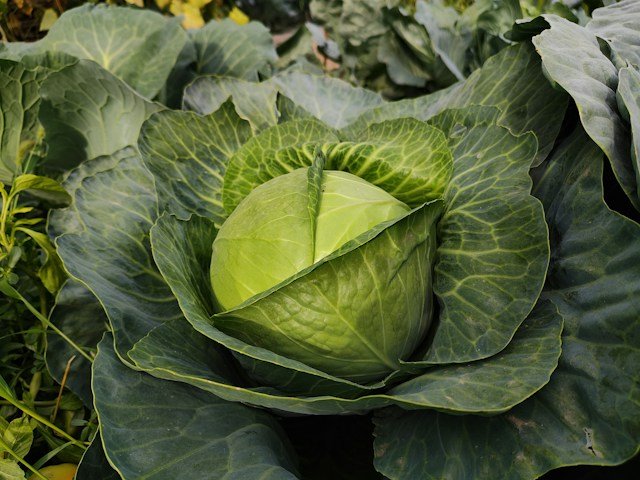
The Science of Cabbage Why Researchers Are Taking a Fresh Look at This Everyday Vegetable
In the world of nutrition, attention often gravitates toward exotic berries, expensive supplements, and newly emerging wellness trends. Yet some of the most promising foods being studied by researchers are neither rare nor costly. One such example is cabbage, a vegetable that has been a staple in kitchens around the world for centuries
As healthcare experts increasingly emphasize prevention and lifestyle medicine, there is growing interest in understanding how everyday foods can influence long-term health. Cabbage, a member of the cruciferous vegetable family, has become a subject of particular interest because of its rich supply of bioactive compounds that interact with important processes within the body.
While no single food can prevent disease or guarantee optimal health, scientists continue to explore how vegetables like cabbage may contribute to healthier aging and support the body’s natural protective systems.
More Than Just a Low-Cost Vegetable
Cabbage belongs to the Brassicaceae family, which also includes broccoli, kale, Brussels sprouts, and cauliflower. These vegetables are widely recognized for their nutritional value and are commonly recommended as part of a balanced diet.
What makes cabbage especially appealing is that it combines affordability, versatility, and nutrient density. It can be eaten raw, cooked, fermented, or added to a variety of dishes, making it accessible to people across different cultures and income levels.
Beyond its vitamins and minerals, cabbage contains naturally occurring plant compounds that have become a major focus of scientific research.
The Role of Glucosinolates
One of the most studied compounds found in cabbage is a group of sulfur-containing substances known as glucosinolates.
These compounds remain relatively inactive while the plant’s cells are intact. However, when cabbage is chopped, sliced, shredded, or chewed, a natural enzyme called myrosinase is released. This process triggers a chemical reaction that transforms glucosinolates into biologically active compounds.
Researchers are particularly interested in three categories of these compounds:
Isothiocyanates
These plant-derived chemicals have been studied for their potential role in supporting the body’s natural detoxification processes. Scientists believe they may help activate enzymes involved in processing and eliminating unwanted substances from the body.
Sulforaphane
Sulforaphane is one of the most widely researched compounds found in cruciferous vegetables. Laboratory studies suggest it may help support the body’s antioxidant defenses by activating cellular pathways involved in protecting tissues from oxidative stress.
Indole-3-Carbinol
This naturally occurring compound breaks down into other bioactive substances during digestion. Researchers continue to investigate its potential influence on cellular regulation and hormone metabolism.
Although scientists remain cautious about drawing direct medical conclusions, these compounds have attracted significant attention due to their interactions with important biological pathways.
What Population Research Suggests
Large-scale nutritional studies have examined dietary patterns involving cruciferous vegetables and overall health outcomes.
Some observational research has reported associations between higher consumption of cruciferous vegetables and lower rates of certain chronic diseases. Researchers suggest that the combination of fiber, antioxidants, vitamins, and glucosinolate-derived compounds may contribute to these findings.
However, experts stress an important distinction: observational studies identify associations rather than proving direct cause-and-effect relationships.
People who regularly consume vegetables often engage in other healthy habits as well, including exercising, maintaining healthy body weight, and avoiding smoking. For this reason, researchers continue to investigate the specific role that cruciferous vegetables may play within broader healthy lifestyles.
Nevertheless, the consistency of findings across multiple populations has kept cabbage and related vegetables at the center of ongoing nutrition research.
A Valuable Source of Essential Nutrients
While glucosinolates often receive the spotlight, cabbage provides numerous nutritional benefits beyond its specialized plant compounds.
Vitamin C for Immune Support
Cabbage is an excellent source of vitamin C, an essential nutrient involved in immune function, collagen production, and antioxidant protection.
Vitamin C helps support the body’s defense systems by protecting cells from damage caused by free radicals and assisting in normal immune responses.
Vitamin K for Bone Health
Another notable nutrient in cabbage is vitamin K, which plays an important role in blood clotting and bone metabolism.
Adequate vitamin K intake supports the body’s ability to maintain healthy bones and perform normal physiological functions.
Fiber for Digestive Health
Fiber remains one of the most important yet under-consumed nutrients in many modern diets.
Cabbage contains both soluble and insoluble fiber, helping support digestive regularity and feeding beneficial gut bacteria. A healthy gut microbiome has increasingly been linked to immune function, metabolic health, and overall well-being.
The Gut Health Connection
The relationship between diet and gut health has become a major focus of current health research.
Dietary fiber found in cabbage serves as fuel for beneficial microorganisms living in the digestive tract. As these microbes break down fiber, they produce short-chain fatty acids that help maintain the integrity of the intestinal lining and support immune regulation.
This microbiome connection is particularly relevant today as scientists continue exploring links between gut health and a wide range of health conditions, from inflammation to metabolic disorders.
Many nutrition experts now encourage people to consume a diverse range of fiber-rich plant foods, including cruciferous vegetables, as part of a gut-friendly eating pattern.
Getting the Most From Cabbage
Preparation methods can influence the retention of certain nutrients and plant compounds.
Raw cabbage preserves naturally occurring enzymes involved in glucosinolate conversion. This makes dishes such as salads, slaws, and fermented cabbage preparations valuable additions to a balanced menu.
For those who prefer cooked cabbage, gentle steaming is generally considered one of the best approaches for preserving nutrients while improving texture and flavor. Excessive boiling may cause some nutrients to leach into cooking water.
A practical strategy is to include cabbage in multiple forms throughout the week, combining both raw and lightly cooked preparations.
A Simple Addition With Lasting Benefits
At a time when many consumers are searching for affordable ways to improve their diets, cabbage stands out as a nutrient-rich option supported by a growing body of scientific interest.
While researchers continue investigating the precise effects of glucosinolates and related compounds, current evidence suggests that cabbage can make a meaningful contribution to a healthy dietary pattern. Its combination of fiber, vitamins, antioxidants, and bioactive plant compounds makes it a valuable food for supporting overall wellness.
Most importantly, cabbage demonstrates that healthy eating does not have to rely on expensive products or complicated routines. Sometimes, one of the most beneficial additions to a diet is a simple, familiar vegetable that has been quietly delivering nutritional value for generations.
Photo by Anna Evans on Unsplash
About Wellcore Weekly: Wellcore Weekly covers health, wellness, nutrition, sleep, fitness, and medical research with timely, easy-to-understand updates for everyday readers.