
Living Longer Is Only Half the Story
The everyday choices that can help protect your strength, independence and quality of life
Lifespan tells us how long we live. Healthspan asks a different question: how many of those years can we spend feeling capable, connected and independent? Here’s why that distinction matters more as people live longer.
Living longer is one of modern medicine’s remarkable achievements. Better treatments, earlier diagnosis and improvements in public health have helped people survive illnesses that once would have been fatal.
But there is another question worth asking: What do those extra years look like?
A person can live to an advanced age while dealing with chronic disease, limited mobility or difficulty managing everyday tasks. Another person of the same age may still be walking regularly, preparing their own meals, seeing friends and enjoying hobbies.
This is where the difference between lifespan and healthspan becomes important.
Lifespan refers to the total number of years a person lives. Healthspan describes the years spent in relatively good health and with the ability to function independently.
The two are connected, but they are not identical.
Why healthspan matters as we age
Growing older does not automatically mean becoming frail. However, several health challenges become more common with age, including cardiovascular disease, type 2 diabetes, osteoporosis, arthritis, hearing and vision problems, cognitive impairment and loss of muscle strength.
These conditions can gradually affect independence.
Something as ordinary as getting out of a chair can become difficult when leg strength declines. Poor balance can make a person afraid of falling. Chronic illness can make regular activity harder, which can lead to even more inactivity.
This can create a cycle that is difficult to break.
That is why healthy aging is not simply about preventing disease. It is also about protecting function—the ability to walk, climb stairs, carry everyday objects, prepare food, maintain relationships and participate in activities that give life meaning.
Strength is one of the most practical investments
Muscle strength becomes particularly important as we get older.
Some muscle loss is a normal part of aging, but inactivity can accelerate the decline. Losing strength can affect balance, mobility and the ability to perform everyday tasks.
Resistance exercise can help older adults maintain or improve muscle strength. It does not necessarily require a gym or heavy weights.
Depending on someone’s abilities, strength training might include bodyweight exercises, resistance bands, light weights or movements such as controlled sit-to-stands from a chair.
The goal is not to train like a professional athlete.
It is to maintain enough strength to keep doing the things you want to do.
For anyone with a chronic condition, previous injury or significant mobility limitation, getting guidance from a healthcare professional or qualified exercise specialist can help determine what is appropriate.
Walking still matters
Strength training is only one part of the picture.
Walking and other forms of moderate physical activity can support cardiovascular health, mobility and overall physical function. For people who have been inactive, even adding short periods of movement can be a meaningful first step.
You do not have to complete a long workout in one session.
A short walk after breakfast, some household activity during the afternoon and another walk in the evening can all contribute to a more active day.
As fitness improves, duration or intensity can gradually increase according to individual ability.
The important thing is finding movement that is realistic enough to become part of everyday life.
Food supports the body you are trying to preserve
Exercise cannot do all the work.
As people age, getting adequate nutrition becomes increasingly important. Protein helps maintain muscle and other tissues, while a varied diet provides vitamins, minerals, fiber and other nutrients needed for normal body function.
Rather than chasing a perfect diet, focus on patterns that are sustainable.
Vegetables, fruits, beans, lentils, whole grains, nuts, seeds, fish, eggs, dairy or fortified alternatives and other minimally processed foods can all contribute to a balanced eating pattern.
People with medical conditions may have specific dietary needs, so major dietary changes are worth discussing with a healthcare professional.
Sleep is part of healthy aging too
Sleep is often treated as something we can sacrifice when life gets busy. But consistently poor sleep can affect mood, concentration, physical performance and overall health.
Sleep patterns can also change with age. Some older adults find it harder to fall asleep, stay asleep or maintain a consistent schedule.
Simple habits can help: keeping a regular sleep and wake time, limiting caffeine late in the day, keeping the bedroom comfortable and getting regular daytime activity.
Persistent sleep problems should not simply be dismissed as a normal part of aging. Conditions such as sleep apnea and other sleep disorders can affect health and deserve medical attention.
Staying connected is a health issue
Healthy aging is not only about muscles, food and sleep.
Social connection matters too.
Retirement, bereavement, relocation, mobility problems and health conditions can all make it easier for older adults to become isolated. Loneliness can affect emotional well-being and is also associated with poorer health outcomes.
Maintaining relationships does not have to mean having a large social circle.
A regular phone call, walking with a friend, joining a community group, volunteering or spending time with family can provide meaningful connection.
Mental stimulation matters as well. Reading, learning a new skill, playing music, doing puzzles or simply having interesting conversations can keep the mind engaged.
Think function, not perfection
There is no single routine that guarantees a long or disease-free life.
Genetics, environment, access to healthcare and many other factors influence how we age.
But there are things within our control that can support physical function and overall well-being: staying active, maintaining strength, eating a varied diet, getting adequate sleep, managing health conditions and staying connected with other people.
The most useful goal may therefore be neither simply living longer nor trying to slow every aspect of aging.
It is building a life in which your later years still contain movement, relationships, purpose and independence.
Healthspan is not about chasing an ideal version of aging. It is about giving your future self the best practical foundation you can—and starting with the small choices that are possible today.
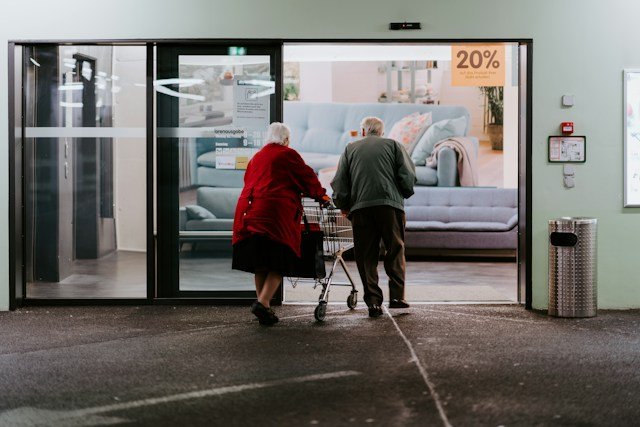
Photo by Claudio Schwarz on Unsplash
About Wellcore Weekly: Wellcore Weekly covers health, wellness, nutrition, sleep, fitness, and medical research with timely, easy-to-understand updates for everyday readers.