
Could Rising Carbon Dioxide Be Affecting Our Bodies? What a New Study Reveals
When we think about air pollution, we often picture traffic emissions, industrial smoke, or wildfire haze. But scientists are beginning to explore another question that isn’t as visible: Could gradual changes in the air’s composition be influencing our health in subtle ways?
A recent study published in Air Quality, Atmosphere & Health has sparked interest by examining whether the steady rise in atmospheric carbon dioxide (CO₂) over the past two decades may be linked to small changes in human blood chemistry.
The findings don’t suggest that higher outdoor CO₂ levels are causing immediate illness. Instead, they raise important questions about how our bodies adapt to long-term environmental changes—and why monitoring those changes may become increasingly important in the future.
What Did the Researchers Study?
Scientists analyzed more than 20 years of data from the U.S. National Health and Nutrition Examination Survey (NHANES), covering the period from 1999 to 2020.
They focused on serum bicarbonate, a substance in the blood that plays an important role in:
- Transporting carbon dioxide
- Maintaining the body’s acid-base balance
- Supporting normal cellular function
Over the study period, average serum bicarbonate levels increased by approximately 7% across the population.
Interestingly, this trend occurred alongside the gradual increase in atmospheric CO₂ levels during the same years.
The researchers also observed modest declines in average blood calcium and phosphorus levels—minerals involved in maintaining the body’s chemical balance.
Does This Mean CO₂ Is Making People Sick?
No.
This is one of the most important points to understand.
The study found a correlation, meaning two trends occurred at the same time. It does not prove that rising atmospheric CO₂ directly caused the observed changes in blood chemistry.
Many other factors could also influence these measurements, including:
- Dietary habits
- Kidney function
- Medications
- Chronic health conditions
- Lifestyle changes
- Population demographics
More research is needed before scientists can determine whether there is a direct biological connection.
Why Is Blood Chemistry Important?
The human body works hard to keep its internal environment stable.
Even tiny shifts in blood acidity can affect how cells, muscles, nerves, and organs function.
Bicarbonate acts as one of the body’s primary buffering systems, helping maintain a healthy pH despite constant changes from breathing, digestion, and metabolism.
The body naturally adjusts bicarbonate levels as part of normal physiology, which is why researchers are interested in understanding what might influence these long-term population trends.
Environmental Health Is Becoming a Bigger Picture
Traditionally, environmental health research has focused on pollutants that directly harm the lungs or heart.
Today, scientists are asking broader questions:
- How do changing environmental conditions affect metabolism?
- Could climate-related factors influence long-term health?
- How do humans physiologically adapt to gradual environmental change?
These questions are part of a growing field sometimes referred to as environmental physiology, which studies how the body responds to its surroundings over time.
What Can You Do for Your Health Today?
Although this research is still evolving, many proven strategies remain the best way to support overall health:
- Spend time in environments with good air quality whenever possible.
- Keep indoor spaces well ventilated.
- Stay physically active.
- Eat a balanced diet rich in fruits, vegetables, whole grains, and lean proteins.
- Avoid smoking and secondhand smoke.
- Attend regular health check-ups, especially if you have heart or lung conditions.
These evidence-based habits continue to provide far greater health benefits than focusing on environmental changes that are still being investigated.
The Bottom Line
The new study adds an interesting piece to the growing conversation about how our changing environment may influence human biology.
Researchers observed gradual shifts in blood chemistry that occurred alongside rising atmospheric carbon dioxide levels, but the findings do not establish cause and effect.
Instead, they highlight an area of research that deserves further investigation as scientists continue exploring the long-term relationship between environmental change and human health.
As our understanding grows, one message remains clear: our health is closely connected to the world around us, making both personal wellness and environmental stewardship important for future generations.
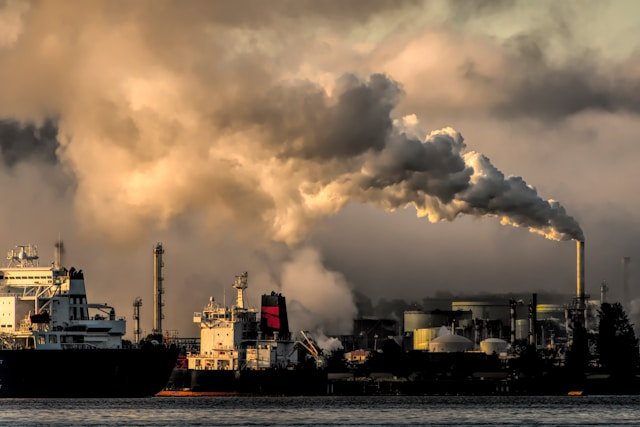
Photo by Chris LeBoutillier on Unsplash
About Wellcore Weekly: Wellcore Weekly covers health, wellness, nutrition, sleep, fitness, and medical research with timely, easy-to-understand updates for everyday readers.