
Could a New Injection Reduce Fat Cells? What to Know About CBL-514
Obesity is a complex, long-term health condition influenced by genetics, hormones, environment, medications and many other factors. Although established treatments can help manage it, researchers continue to investigate new approaches to body fat and metabolic health.
One experimental treatment attracting attention is CBL-514, an injectable compound designed to reduce localised fat by triggering a process known as apoptosis, or programmed cell death.
Unlike medicines that work primarily by changing appetite and feelings of fullness, CBL-514 is being studied for its direct effects on fat tissue. Early clinical trials have reported reductions in abdominal fat in treated areas.
However, there is an important distinction between reducing a localised fat deposit and treating obesity as a whole. Current evidence does not establish CBL-514 as a replacement for established obesity treatments, nor does it show that the injection prevents weight regain or reduces the risk of heart disease and diabetes.
How Does CBL-514 Work?
Fat cells, also called adipocytes, store energy in the form of lipids. When the body uses stored energy, these cells can become smaller. Their number and size are influenced by several biological processes, and fat storage can change over time.
CBL-514 is designed to trigger apoptosis in targeted fat cells. During this process, a cell activates internal signals that lead to its orderly breakdown. The body then clears cellular debris through its normal biological systems.
This differs from simply reducing the amount of fat stored inside a cell. In principle, removing some cells from a treated area could produce a longer-lasting local reduction than temporarily shrinking them.
But that does not mean the treatment permanently prevents fat from returning. Remaining fat cells can still change in size, and the body’s overall energy balance and metabolic regulation continue to matter.
The treatment’s effects also depend on where it is injected. Evidence about fat beneath the skin cannot automatically be applied to visceral fat, which lies deeper in the abdomen around internal organs.
What Have Clinical Trials Found?
A randomised Phase 2 trial published in the Aesthetic Surgery Journal in 2025 examined CBL-514 injections for abdominal subcutaneous fat reduction.
The study randomised 76 adults to receive CBL-514 or a placebo. Researchers assessed changes in fat volume using ultrasound and followed participants for a limited period after treatment.
Among participants assessed eight weeks after their final treatment, 69.6% of those in the CBL-514 group had achieved at least 150 millilitres of subcutaneous fat-volume reduction, compared with none in the placebo group at that follow-up. The most commonly reported treatment-related problems were injection-site reactions, generally described as mild to moderate.
A Phase 2b trial published in 2026 provided further evidence of reduced abdominal subcutaneous fat. MRI measurements showed an average reduction of approximately 20.3% in the CBL-514 group compared with baseline, with a significantly greater reduction than in the placebo group. Most reported adverse effects were temporary reactions at the injection site.
These results are encouraging, but they need to be interpreted carefully. The studies assessed localised fat reduction over a relatively short period. They do not establish long-term safety, durable weight management or improvements in major health outcomes.
Visceral Fat Is Different From Fat Beneath the Skin
Not all abdominal fat is located in the same place.
Subcutaneous fat sits directly beneath the skin. Visceral fat lies deeper inside the abdomen, surrounding organs such as the liver and intestines.
Excess visceral fat is associated with a greater risk of insulin resistance, type 2 diabetes and cardiovascular disease. This makes it an important subject of medical research.
However, the published CBL-514 trials described above focused on subcutaneous abdominal fat, not demonstrated removal of visceral fat. It would therefore be misleading to claim that the injection has been shown to clear fat surrounding internal organs or reverse the metabolic risks associated with it.
Reducing a visible or measurable fat deposit also does not necessarily translate into better blood glucose control, improved liver health or fewer cardiovascular events. Those outcomes require their own evidence.
Could It Replace GLP-1 Weight-Loss Medicines?
Medicines such as semaglutide and tirzepatide work through hormonal pathways involved in appetite, fullness and blood glucose regulation. Depending on the specific medicine and the patient, they may be prescribed for obesity, diabetes or other approved indications.
CBL-514 has a different proposed role: targeted reduction of fat in a treated area.
That difference matters. A localised injection is not automatically a treatment for a complex condition that can affect appetite, metabolism, blood pressure, blood glucose and multiple organ systems.
There is currently no sound basis for claiming that CBL-514 can replace GLP-1 medicines, eliminate the need for long-term obesity care or prevent weight regain after medication is stopped. These questions would require dedicated clinical studies.
Anyone taking prescribed medication should speak with their healthcare professional before making changes to treatment.
What Questions Still Need Answers?
Researchers need longer follow-up to understand how durable the fat reduction is, whether repeated treatment remains safe and how uncommon adverse effects might emerge in larger populations.
They also need to establish which patients might benefit, how the treatment compares with existing options and whether it offers meaningful advantages beyond changes in local fat volume.
Because CBL-514 remains investigational, it should not be treated as an established therapy for obesity or as a proven way to improve metabolic health.
The Bigger Picture in Obesity Care
Research into fat-cell biology may eventually expand the range of treatments available for localised fat reduction. CBL-514 offers one example of how scientists are investigating approaches beyond conventional methods.
For now, the evidence supports a measured conclusion: clinical trials have shown reductions in treated abdominal subcutaneous fat, but much more research is needed to determine the treatment’s long-term role.
Obesity care should focus on health, individual needs and evidence-based options rather than promises of a quick fix. CBL-514 is a development worth watching, but its potential should not be confused with a proven treatment for obesity or visceral-fat-related disease.
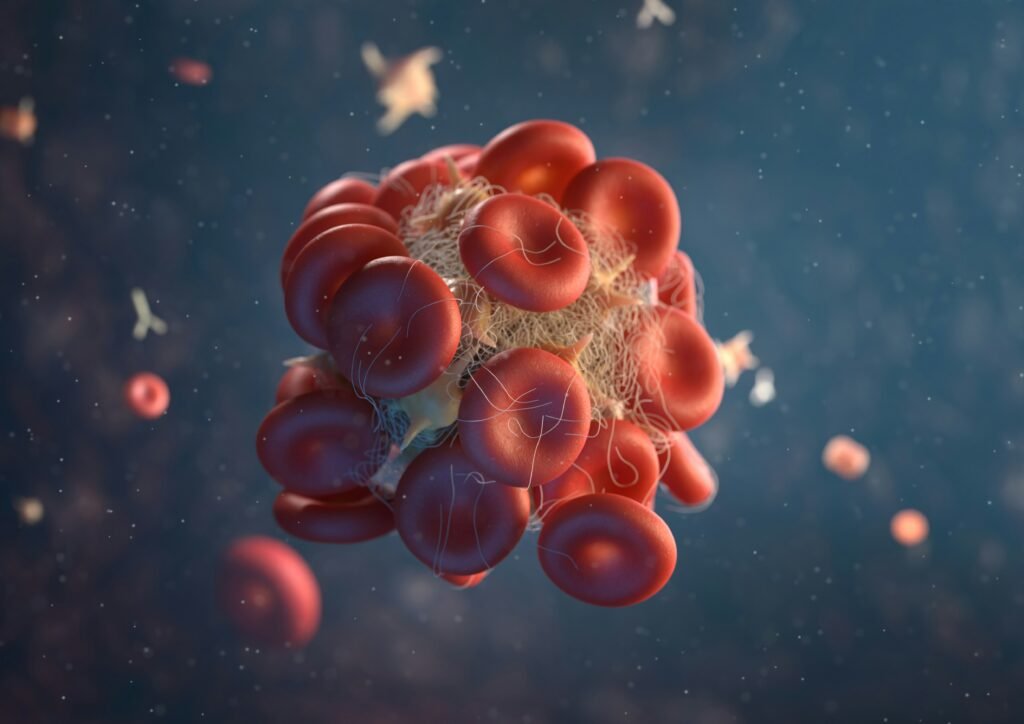
Photo by digitale.de on Unsplash
About Wellcore Weekly: Wellcore Weekly covers health, wellness, nutrition, sleep, fitness, and medical research with timely, easy-to-understand updates for everyday readers.
