
Can Vitamin C Help Your Lungs Fight Air Pollution?
What Happens When You Breathe Polluted Air?
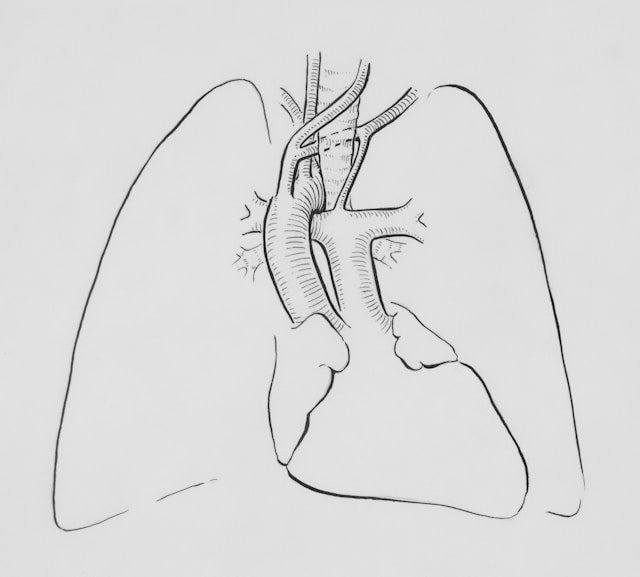
Your lungs have several layers of defense designed to keep unwanted particles and chemicals from reaching delicate tissue. But fine particulate matter, particularly PM2.5, can travel deep into the respiratory tract.
Once these particles interact with lung tissue, they can contribute to oxidative stress and inflammation. Oxidative stress occurs when the body produces more reactive molecules than its antioxidant defenses can comfortably handle.
Over time, repeated exposure can put additional pressure on the respiratory and cardiovascular systems. The U.S. Environmental Protection Agency notes that particle pollution is associated with respiratory symptoms and cardiovascular problems, particularly among people who already have heart or lung conditions.
This is where antioxidants such as vitamin C become interesting.
Vitamin C: Part of the Body’s Defense System
Vitamin C, also known as ascorbic acid, is an essential nutrient with antioxidant functions. It helps protect cells from oxidative damage and plays important roles in collagen production, immune function and wound healing.
The body cannot make vitamin C on its own, so it needs to come from food or other dietary sources.
Good sources include oranges and other citrus fruits, strawberries, kiwi, bell peppers, broccoli and Brussels sprouts. The National Institutes of Health recommends getting most nutrients, including vitamin C, through a varied diet.
This makes vitamin C a useful part of overall nutritional health—but that doesn’t mean eating an orange creates a protective barrier around your lungs.
Can Vitamin C Actually Counter Air Pollution?
This is where the science needs some careful interpretation.
Air pollution can increase oxidative stress, while vitamin C contributes to the body’s antioxidant defenses. Researchers have therefore investigated whether antioxidant status may influence how the body responds to pollution.
There is a biologically plausible connection, but vitamin C should not be described as a proven treatment that prevents pollution-related lung damage.
In other words, maintaining adequate vitamin C intake is sensible for general health, but taking large amounts of vitamin C has not been established as a substitute for reducing exposure to polluted air.
The distinction matters because pollution is a physical environmental exposure. Antioxidants may help the body manage oxidative stress, but they do not stop polluted particles from entering the respiratory system.
More Vitamin C Isn’t Necessarily Better
It’s easy to assume that if some vitamin C is beneficial, much more must be even better. The body doesn’t work that way.
For adults, the recommended dietary allowance is 90 mg per day for men and 75 mg for women. People who smoke require an additional 35 mg per day because smoking increases vitamin C requirements. Recommendations for children and teenagers are lower and vary by age.
Very high supplemental intakes can cause problems such as diarrhea, nausea and stomach cramps.
For most people, the practical goal is much simpler: eat a varied diet that regularly provides vitamin C rather than relying on high-dose supplements.
The Bigger Issue: Reducing Exposure
If air quality is poor, the most meaningful protection comes from reducing the amount of pollution you breathe.
Checking local air-quality information can help you decide when outdoor activities may need to be reduced or moved indoors. This can be particularly important for people with asthma, heart disease or other conditions that make them more vulnerable to air pollution.
Indoor air matters, too. Particulate pollution can enter buildings from outdoors, while cooking, combustion and tobacco smoke can create additional particles indoors.
Simple environmental measures can therefore matter far more than chasing a particular supplement.
What About Children and Young People?
Developing lungs deserve particular attention. The EPA identifies children among the groups that can be more vulnerable to particle pollution, with research linking exposure to effects on respiratory symptoms and lung development.
That makes healthy nutrition important—but it also reinforces why communities need cleaner outdoor and indoor air.
Individual dietary choices can support the body’s normal defenses, but they cannot solve an environmental exposure on their own.
Vitamin C is an important antioxidant and an essential part of a healthy diet. It helps the body deal with oxidative stress and supports normal immune and tissue functions.
But it is not a shield against air pollution.
The strongest strategy is to address both sides of the problem: give your body adequate nutrients through a balanced diet while taking sensible steps to reduce exposure when air quality is poor.
As air pollution continues to affect respiratory and cardiovascular health, the bigger lesson is clear: nutrition can support the body’s defenses, but cleaner air remains the most important form of protection.
About Wellcore Weekly: Wellcore Weekly covers health, wellness, nutrition, sleep, fitness, and medical research with timely, easy-to-understand updates for everyday readers.