
Birdwatching Isn’t Just Peaceful It Can Actually Rewire Your Brain for the Better
Health and Wellness Correspondent May 25, 2026
We’ve all felt the calm that comes from watching birds in nature. But according to new neuroscience research, that peaceful hobby may be doing much more than relaxing your mind — it could be physically reshaping your brain.
A 2026 study published in the Journal of Neuroscience found that experienced birdwatchers show distinct structural and functional brain changes compared to people who don’t engage in the activity. Using advanced brain imaging, researchers discovered that regular birdwatching appears to strengthen areas responsible for attention, perception, memory, and spatial awareness.
What the Research Shows
Scientists compared 29 expert birdwatchers (ages 24–75) with 29 carefully matched novices. The results were notable:
- Expert birdwatchers had greater tissue density in brain regions tied to focus, object recognition, and working memory.
- When identifying birds, they showed increased activity in the prefrontal cortex and other key areas involved in rapid visual processing and decision-making.
- These changes allowed them to spot and identify birds — even unfamiliar species — with greater speed and accuracy.
Importantly, these brain benefits weren’t limited to younger participants. Older expert birdwatchers displayed brain patterns more similar to younger adults, suggesting that consistent birdwatching may help build cognitive reserve — a buffer that could help protect against age-related cognitive decline.
The study’s authors, led by Dr. E. A. Wing, compared these adaptations to those seen in musicians or multilingual individuals, where long-term practice drives meaningful neuroplasticity.
A Surprisingly Powerful Mental Workout
In my view, this is one of the most encouraging findings in recent brain health research. While many people spend money on apps and supplements promising better cognition, something as accessible and enjoyable as birdwatching delivers genuine neurological benefits.
By constantly scanning for subtle differences in color, shape, sound, and movement, birdwatchers train their brains in ways that strengthen attention and pattern recognition — skills that translate well beyond birding itself.
Important Caveats
As with most research, there are limitations. This was a relatively small study, and it doesn’t prove that starting birdwatching will dramatically transform your brain overnight. Most of the participants were already dedicated enthusiasts. Results may vary depending on how consistently and attentively someone practices.
That said, the findings align with broader evidence showing that mentally engaging, nature-based activities support long-term brain health.
How to Get Started
You don’t need expensive gear or expert-level knowledge to begin. Start simple:
- Spend 20–30 minutes outdoors a few times a week with binoculars
- Use a free bird identification app
- Focus on noticing details — songs, flight patterns, and behaviors
Even modest, consistent practice may support brain health over time.
The Bottom Line: Birdwatching offers a rare combination — it’s peaceful, affordable, socially connective, and now scientifically linked to better brain function. In a stressful, screen-dominated world, that makes it one of the smartest hobbies you can choose.
If you’ve been looking for a meaningful way to support your cognitive health as you age, picking up binoculars might be more powerful than you thought.
Source: Wing, E. A., et al. (2026). “The tuned cortex: Convergent expertise-related structural and functional remodeling across the adult lifespan.” Journal of Neuroscience. DOI: 10.1523/JNEUROSCI.1307-25.2026
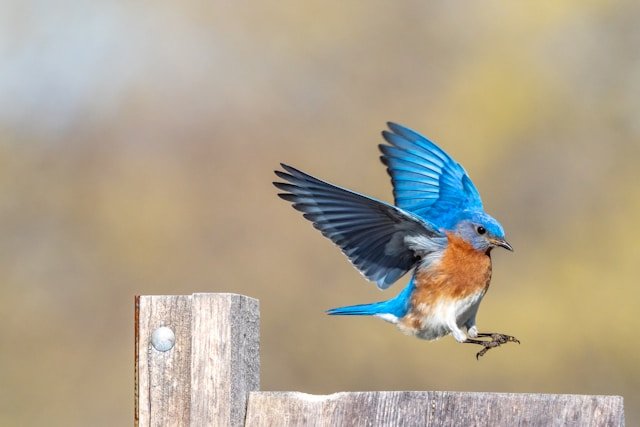
Photo by Patrice Bouchard on Unsplash
About Wellcore Weekly: Wellcore Weekly covers health, wellness, nutrition, sleep, fitness, and medical research with timely, easy-to-understand updates for everyday readers.