
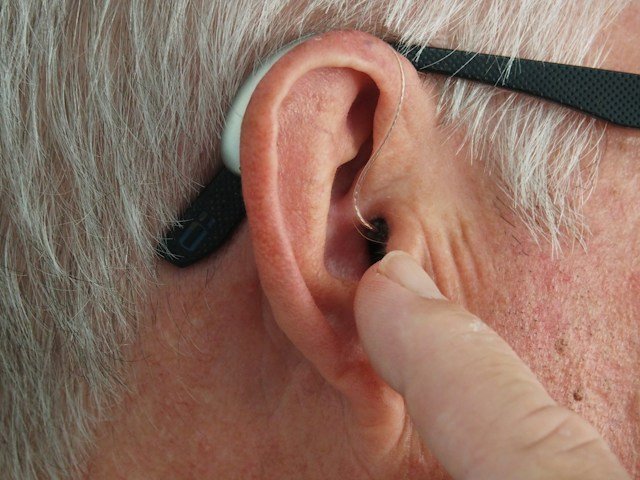
Protecting Your Mind Starts with Protecting Your Senses
When conversations about long‑term brain health arise, most people immediately think of exercise, nutrition, or mental puzzles. While these habits are undeniably vital, researchers at the National Institute on Aging are highlighting another critical but often overlooked factor: sensory impairment.
Recent studies reveal a strong connection between unmanaged vision loss or hearing loss and cognitive decline. Protecting your eyes and ears is not just about convenience—it’s a pillar of dementia prevention.
The Hidden Link Between Sensory Loss and Cognitive Decline
For decades, subtle changes in seeing or hearing were dismissed as inevitable inconveniences of aging. But science now shows that when multiple sensory systems decline together, dementia risk skyrockets.
Older adults with both vision and hearing impairments face nearly three times the risk of developing dementia compared to those without sensory deficits. Why? Because when your eyes or ears fail to deliver clear signals, your brain must work harder to interpret basic surroundings. Over time, this constant strain drains cognitive reserves, leaving fewer resources for memory, reasoning, and executive function.
How Sensory Impairments Fuel Social Isolation
Beyond neurological stress, sensory decline also drives social isolation. Human connection is one of the strongest protective shields against dementia, yet vision and hearing barriers gradually erode community ties.
- Hearing Loss: Untreated hearing loss makes conversations exhausting. Group discussions become frustrating, and many older adults withdraw rather than struggle to listen.
- Vision Loss: Poor eyesight reduces independence. Seniors may stop driving, avoid outdoor walks, or abandon hobbies like reading.
This withdrawal fuels loneliness, depriving the brain of interactive stimuli and accelerating Alzheimer’s disease progression.
Treat Sensory Health Like Any Chronic Condition
One of the biggest hurdles in prevention is mindset. People treat hypertension or diabetes seriously, but sensory decline is often brushed off as “just aging.” Researchers urge us to change that perspective.
Like blood pressure, sensory health is manageable. Ignoring it allows preventable risks to compound, while early intervention protects both brain function and independence.
Practical Action Steps to Protect Your Senses
Protecting cognitive health doesn’t require complicated overhauls. Small, proactive steps can deliver major dividends:
- Schedule Annual Examinations Get professional hearing and vision screenings every year.
- Address Issues Promptly Use corrective lenses, reading glasses, or hearing aids as soon as changes are detected.
- Stay Socially Active Engage in group activities with adaptive tools to prevent isolation and keep the brain stimulated.
Why Early Intervention Matters
Clinicians emphasize that the earlier you treat sensory loss, the better the outcomes. Whether it’s picking up affordable reading glasses, adjusting prescriptions, or exploring hearing aid options, don’t delay.
Assistive devices aren’t just tools—they’re gateways to staying connected, active, and mentally sharp. By maintaining sensory input, you reduce cognitive strain and preserve quality of life.
Final Thoughts
Living longer is only half the story. Protecting your senses ensures those extra years are filled with clarity, connection, and independence. Treat vision and hearing health as essential components of dementia prevention, alongside diet, exercise, and mental stimulation.
Taking care of your eyes and ears is one of the most effective, accessible ways to safeguard your brain for decades to come.
Photo by Mark Paton on Unsplash
About Wellcore Weekly: Wellcore Weekly covers health, wellness, nutrition, sleep, fitness, and medical research with timely, easy-to-understand updates for everyday readers.
