
Healthy Eating on a Budget 7 Simple Ways to Eat Better for Less
With grocery prices putting more pressure on household budgets, eating well can sometimes feel like an expensive goal. Walk through a supermarket or scroll through social media and it can seem as though a healthy diet requires organic produce, expensive protein powders, imported berries and a refrigerator full of specialty foods.
It doesn’t.
A nutritious diet can be built around some of the least glamorous—and often least expensive—foods in the store. Beans, lentils, oats, potatoes, rice, eggs, seasonal vegetables and frozen produce can provide plenty of nutrition without turning a weekly grocery trip into a financial headache.
For older adults in particular, affordable healthy eating matters. Appetite can change with age, and maintaining adequate protein, fiber, vitamins and minerals becomes increasingly important for supporting muscle, bone, heart and digestive health.
The trick is to spend your money on nutrition rather than marketing.
1. Start With Affordable Staples
Before buying specialty health foods, build your meals around inexpensive staples.
Oats make an affordable breakfast. Beans and lentils can form the foundation of soups, curries and stews. Potatoes and sweet potatoes provide filling carbohydrates, while brown rice, whole-grain pasta and barley can stretch meals further.
These foods are also versatile.
A bag of lentils can become soup one day, a curry the next and a filling for wraps or grain bowls later in the week.
You don’t need a different expensive ingredient for every meal.
2. Don’t Underestimate Frozen Vegetables
Fresh produce is excellent, but it isn’t automatically better than frozen.
Frozen vegetables can be particularly useful for people living alone or anyone who struggles to use fresh produce before it spoils. Because many frozen fruits and vegetables are processed soon after harvesting, they can retain substantial nutritional value.
Frozen peas, spinach, broccoli, mixed vegetables and berries can sit in the freezer until you need them.
That means less food waste—and less money thrown away.
A bag of frozen vegetables can also make a simple meal much more nutritious. Add a handful to soup, rice, eggs, pasta or beans and you’ve immediately increased the variety of your meal.
3. Make Beans and Lentils Work Harder
Protein can become one of the more expensive parts of a grocery bill, particularly when every meal revolves around meat.
Beans, chickpeas, peas and lentils provide affordable protein along with fiber and other nutrients.
You don’t have to eliminate meat to benefit from them.
Try replacing some of the meat in chili with beans, adding lentils to a soup or using chickpeas in a vegetable curry. Combining legumes with grains such as rice or whole-grain bread can create satisfying meals without relying on large portions of meat.
For older adults concerned about maintaining muscle, however, overall protein intake still matters. Affordable options such as eggs, milk, yogurt, canned fish, beans and lentils can all help contribute to daily protein needs.
4. Buy Seasonal Foods
Have you ever noticed how dramatically the price of certain fruits and vegetables changes throughout the year?
That’s no accident.
Foods that are abundant locally and in season are often less expensive than produce that has to travel long distances or is available only in limited supply.
Instead of planning your meals around a specific fruit or vegetable, consider what’s affordable when you shop.
One week it might be cabbage and carrots. Another week it might be tomatoes, squash or leafy greens.
Healthy eating doesn’t require eating the same foods year-round.
5. Turn Leftovers Into Another Meal
Food waste is one of the easiest ways to quietly increase grocery expenses.
Rather than treating leftovers as yesterday’s food, think of them as ingredients for tomorrow.
Roasted vegetables can become an omelet filling. Leftover chicken can go into soup or a sandwich. Cooked rice can become a vegetable stir-fry. Beans can be added to a salad or mashed into a simple spread.
Cooking a little more than you need can save both time and money later in the week.
For busy households, this can be particularly helpful because having food ready in the refrigerator makes expensive last-minute takeout less tempting.
6. Be Careful With “Healthy” Packaged Foods
The health-food aisle can be surprisingly expensive.
Protein bars, specialty cereals, flavored drinks, powdered greens and individually packaged snacks may carry impressive marketing claims, but many aren’t necessary for a balanced diet.
Compare the ingredient list and nutritional value with ordinary foods.
A bowl of oats with fruit and yogurt may provide a more affordable breakfast than a packaged “wellness” product. A handful of nuts and a piece of fruit can be a simple snack without elaborate packaging.
Healthy doesn’t have to look fashionable.
7. Plan Before You Shop
Perhaps the most effective budget strategy happens before you enter the supermarket.
Take a few minutes to decide what you’ll eat during the coming week. Check your refrigerator, freezer and cupboards first. Then write a shopping list based on what you actually need.
Try planning meals around overlapping ingredients.
For example, a large bag of spinach might appear in eggs at breakfast, lentil curry at dinner and a simple soup later in the week.
This approach reduces impulse purchases and makes it easier to use food before it goes bad.
Eating Well Doesn’t Have to Be Expensive
The current cost-of-living squeeze has made food choices more difficult for many households. But healthy eating doesn’t have to mean buying premium products or following complicated nutrition trends.
A practical diet can be built from ordinary supermarket foods.
Buy more whole foods. Choose seasonal and frozen produce. Use beans and lentils regularly. Cook at home. Waste less. Plan ahead.
And don’t forget that healthy eating is about the overall pattern—not whether every individual food is perfect.
For older adults especially, the goal should be realistic: enough nutritious food, enough protein and fiber, plenty of variety, and meals that are affordable enough to maintain over time.
Sometimes the healthiest grocery cart isn’t the most expensive one.
It’s the one filled with foods you’ll actually eat, enjoy and be able to afford next week, too.
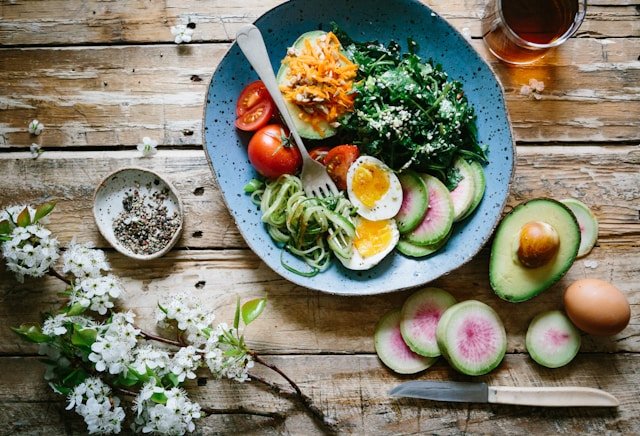
Photo by Brooke Lark on Unsplash
About Wellcore Weekly: Wellcore Weekly covers health, wellness, nutrition, sleep, fitness, and medical research with timely, easy-to-understand updates for everyday readers.