
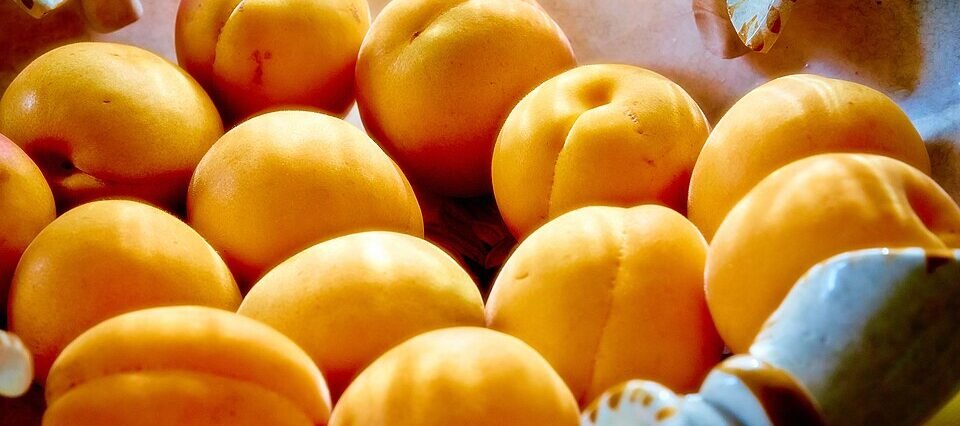
The Small Dried Fruit Nutrition Researchers Keep Coming Back To
Dried apricots pack more iron, potassium, and fiber per bite than their fresh counterparts — and a decades-long body of research on one of their key pigments is giving scientists a reason to take a second look.
Walk down the snack aisle of most grocery stores and dried fruit tends to get lumped in with candy — sweet, sticky, easy to overeat. That reputation undersells what’s actually going on nutritionally in a handful of dried apricots, which concentrate several nutrients that matter for long-term health into a genuinely small package.
“Weight-for-weight, dried apricots provide significantly higher concentrations of fiber, potassium, and iron than their fresh counterparts.”
Here’s the basic mechanism: when fresh apricots dry, they lose most of their water weight, but the vitamins, minerals, and fiber stay behind — concentrated into less volume. According to USDA FoodData Central, that means a serving of dried apricots delivers meaningfully more potassium and iron, gram for gram, than eating the same weight of fresh fruit.
That matters for a few specific reasons. Iron is essential for building hemoglobin, the protein that carries oxygen through the bloodstream — without enough of it, people tend to feel persistently tired, and iron deficiency remains one of the most common nutrient shortfalls worldwide, especially among women. Dried apricots offer a plant-based, non-heme source of it. Potassium, meanwhile, works as an electrolyte that helps counterbalance sodium’s effect on blood pressure — a nutrient most Americans don’t get enough of, according to national dietary surveys, while getting more sodium than recommended. And the fiber in dried apricots — both the soluble and insoluble kind — feeds gut bacteria, slows the rate sugar hits the bloodstream after a meal, and supports regular digestion.
“Beta-cryptoxanthin functions as a potent scavenger of free radicals that cause oxidative damage to human DNA.”
The nutrient that’s drawn the most scientific curiosity is the compound behind the fruit’s orange-gold color: beta-cryptoxanthin, a carotenoid the body can partially convert into vitamin A. It’s the same pigment family responsible for the color in citrus peels, papaya, and persimmons, and apricots are one of several fruits that carry a meaningful amount of it.
The research interest goes back more than two decades. A widely cited 2003 study out of the Singapore Chinese Health Study, tracking over 60,000 participants, found that people with the highest dietary intake of beta-cryptoxanthin had a notably lower risk of developing lung cancer than those with the lowest intake — a pattern that held up even after adjusting for smoking status. A later pooled analysis combining data from seven long-term cohort studies across North America and Europe, covering more than 3,000 lung cancer cases, found a similar association: roughly a 24% lower relative risk among people with the highest intake compared to the lowest. Lab studies since then have tried to explain why, with some evidence that the compound may help regulate cell growth pathways in lung tissue.
None of that adds up to a green light to treat apricots like medicine, and the researchers behind these studies have been consistent about that limitation. These are observational associations, not controlled trials proving cause and effect — people who eat more fruits and vegetables overall also tend to have other healthier habits that are hard to fully separate out statistically. Lung cancer risk is driven overwhelmingly by smoking and other exposures no amount of dried fruit can offset. What the research supports is more modest and more useful: as part of an overall diet built around whole foods, beta-cryptoxanthin-rich fruits appear to be one small, consistent piece of a lower-risk pattern — not a substitute for not smoking, not a cure, and not a guarantee.
There’s a practical wrinkle worth knowing if you’re adding dried apricots to your routine. Plant-based iron is harder for the body to absorb than the iron in meat, so pairing apricots with a vitamin C source — citrus, strawberries, bell peppers — meaningfully improves how much of that iron actually gets used. And because drying concentrates natural sugars along with everything else, portion size matters more than it does with fresh fruit; a small handful, in the 30-to-40-gram range, delivers the nutritional benefits without quietly adding up to a lot of concentrated fructose over the course of a day.
The bigger picture here isn’t that one dried fruit is secretly a miracle food — it’s a reminder of something nutrition science keeps circling back to: whole, minimally processed foods tend to carry layered benefits that are hard to replicate with a supplement or an isolated compound. A handful of dried apricots, eaten with some intention around portion size and pairing, is a small, low-effort way to put that principle into practice.
About Wellcore Weekly: Wellcore Weekly covers health, wellness, nutrition, sleep, fitness, and medical research with timely, easy-to-understand updates for everyday readers.