
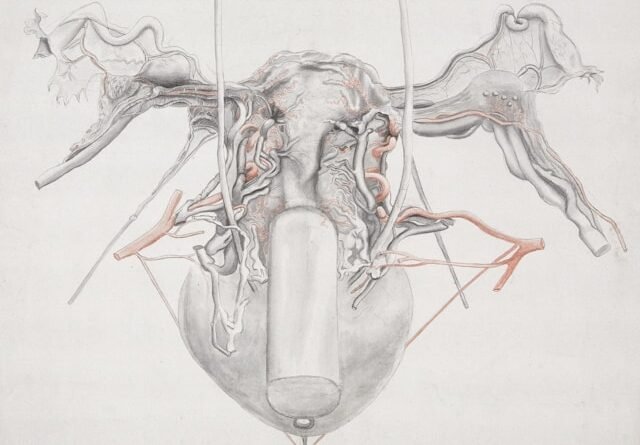
The Hidden Connection Between the Uterus and the Brain What New Research Means for Women’s Health
A study from researchers at Arizona State University, published in the journal Endocrinology, suggests that the uterus may have an unexpected role in supporting brain function—even when pregnancy is not part of the picture. While the research was conducted in animals and cannot yet be directly applied to humans, it is opening an important conversation about how different organs communicate and how women’s health may be more interconnected than previously understood.
The findings don’t mean hysterectomies are unsafe or should be avoided when medically necessary. Instead, they encourage doctors and researchers to better understand the long-term effects of gynecological surgery and continue developing personalized treatment options for women.
Looking Beyond Reproduction
The uterus has traditionally been associated with pregnancy, childbirth, and the menstrual cycle. Once those functions were complete—or if pregnancy wasn’t planned—the organ was often considered relatively inactive.
However, modern research is revealing that many organs once thought to have isolated roles actually participate in complex communication networks throughout the body.
Scientists now know that the heart, intestines, immune system, and even body fat constantly exchange signals with the brain. Increasingly, evidence suggests the uterus may also be part of this intricate communication system.
Researchers refer to this emerging concept as the uterus-ovary-brain axis—a biological network that may help regulate hormone activity, nerve signaling, and possibly aspects of cognition.
The Study That Sparked New Questions
To better understand whether the uterus has functions beyond reproduction, researchers designed an animal study using adult female rats.
The animals were divided into four groups:
- Rats that underwent hysterectomy while keeping their ovaries.
- Rats that had only their ovaries removed.
- Rats that had both organs removed.
- A comparison group that underwent no organ removal.
After recovery, researchers tested the animals using maze-based tasks designed to measure spatial working memory—the brain’s ability to temporarily store and use information for navigation and decision-making.
Surprisingly, the rats that underwent hysterectomy while retaining their ovaries showed noticeable difficulties with these memory tasks compared with the other groups.
The differences became even more pronounced as the tasks grew more complex.
Researchers also observed changes in ovarian hormone patterns after the uterus had been removed, despite the ovaries remaining intact.
These findings suggest that removing the uterus may influence hormonal and neurological communication in ways scientists had not fully appreciated.
Why Could the Uterus Affect the Brain?
Although the uterus sits in the pelvis, it isn’t isolated from the rest of the body.
It receives an extensive supply of nerves and blood vessels and responds to hormonal signals throughout life.
Scientists believe communication may occur through several pathways:
- Hormones produced by the ovaries and reproductive tissues
- The autonomic nervous system, which connects internal organs with the brain
- Chemical signaling molecules involved in immune and inflammatory responses
- Blood vessel interactions that influence tissue function
Removing the uterus may alter some of these communication pathways, potentially affecting other organs—including the ovaries and, indirectly, the brain.
Researchers are still working to understand exactly how these biological conversations occur.
What Does This Mean for Women?
It’s important to place these findings in context.
This research was performed in laboratory animals, not people. While animal studies often provide valuable insights into human biology, they do not prove the same effects occur in women.
However, previous observational studies in humans have reported that women who undergo hysterectomy before natural menopause may have a slightly higher risk of certain long-term cognitive changes compared with women who do not undergo the procedure.
Until now, scientists have struggled to explain why.
The new findings offer one possible biological explanation, but much more research is needed before firm conclusions can be drawn.
Why Hysterectomy Is Still an Important Medical Treatment
Hysterectomy remains one of the safest and most effective treatments for many serious gynecological conditions.
Doctors may recommend the procedure for:
- Uterine cancer
- Severe fibroids causing significant symptoms
- Heavy menstrual bleeding that does not respond to other treatments
- Endometriosis
- Adenomyosis
- Uterine prolapse
- Chronic pelvic pain in selected cases
For many women, hysterectomy dramatically improves quality of life and relieves years of debilitating symptoms.
The new research should not discourage women from having surgery when it is medically necessary.
Instead, it highlights the importance of individualized care and informed decision-making.
The Growing Importance of Shared Decision-Making
Today’s healthcare increasingly emphasizes personalized medicine.
When surgery is recommended for non-cancerous conditions, women may benefit from discussing all available options with their healthcare provider, including:
- Whether less invasive treatments are appropriate
- The potential benefits and risks of surgery
- Whether the ovaries can safely be preserved
- Expected long-term health outcomes
- Recovery and follow-up care
Every woman’s situation is different, and treatment decisions should reflect her symptoms, age, future health goals, and overall medical condition.
A New Era in Women’s Health Research
For many years, women’s reproductive organs were studied primarily through the lens of fertility and pregnancy.
Today, researchers are taking a much broader view.
Scientists are investigating how reproductive health influences:
- Brain function
- Cardiovascular health
- Bone strength
- Immune regulation
- Metabolism
- Healthy aging
This more holistic perspective recognizes that the body’s organs work together rather than independently.
The uterus may prove to be another important piece of this complex biological puzzle.
The idea that the uterus may influence brain health represents an exciting new direction in women’s health research.
Although current evidence comes primarily from animal studies, it raises important questions about how reproductive organs communicate with the brain and how surgical decisions may affect long-term health beyond fertility.
For women considering hysterectomy, these findings are not a reason for alarm. They are a reminder that every medical decision deserves thoughtful discussion with a qualified healthcare professional who can explain the benefits, risks, and available alternatives.
As scientists continue exploring the uterus-brain connection, the goal is not to discourage necessary treatment—but to ensure women receive the most informed, personalized care possible throughout every stage of life.
Understanding the body as an interconnected system is transforming medicine, and this research is another step toward improving women’s health for generations to come.
Photo by julien Tromeur on Unsplash
About Wellcore Weekly: Wellcore Weekly covers health, wellness, nutrition, sleep, fitness, and medical research with timely, easy-to-understand updates for everyday readers.