
The Rare Condition That Lets Some People Remember Almost Every Day of Their Lives
Imagine being able to remember what you wore on a school day ten years ago, what the weather was like, or what you ate for dinner on a random Tuesday. For most people, those details gradually disappear over time. But for a very small number of individuals, those memories remain remarkably vivid.
This rare ability is known as Highly Superior Autobiographical Memory (HSAM), sometimes called hyperthymesia. People with HSAM can recall an extraordinary amount of personal life events with unusual accuracy, making it one of the most fascinating topics in neuroscience.
What Is Highly Superior Autobiographical Memory?
HSAM is an exceptionally rare condition in which individuals can remember an extensive number of autobiographical events—the experiences that make up their own lives.
Unlike photographic memory, which is often misunderstood or exaggerated in popular culture, HSAM mainly affects personal memories rather than the ability to memorize books, numbers, or random facts.
Researchers estimate that only a small number of people worldwide have been scientifically identified with this condition.
A Teenager Helping Scientists Understand Memory
In a recent scientific case study, researchers examined a 17-year-old participant, referred to only by the initials TL, whose memory abilities offered new insights into how autobiographical memories may be organized in the brain.
According to the study, TL described her memories as being stored in a highly organized mental space, almost like a carefully arranged library.
She reported mentally separating different types of experiences, including emotionally difficult memories, helping researchers better understand how some individuals may organize and revisit their personal past.
Because this is a single case study, scientists caution that these experiences may not represent everyone with HSAM.
How Does Memory Normally Work?
For most people, memories naturally change over time.
The brain tends to:
- Keep important experiences.
- Remove many everyday details.
- Strengthen memories that are repeated or emotionally meaningful.
- Blend older memories into broader life stories.
This process isn’t a flaw—it’s actually considered an important feature of healthy memory.
Forgetting less important information allows the brain to focus on learning new experiences and adapting to changing environments.
What Makes HSAM Different?
People with HSAM appear to retrieve personal memories much more easily than most individuals.
Research suggests they may:
- Recall dates and personal events with exceptional accuracy.
- Experience vivid mental images of past experiences.
- Retrieve memories rapidly with little effort.
- Remember ordinary days that most people would have forgotten.
Scientists continue to investigate exactly why this happens.
Current evidence suggests the difference may involve how brain regions communicate with one another rather than major structural differences in the brain itself.
Is Having a Perfect Memory a Superpower?
It may sound appealing to never forget an important moment, but researchers say the reality is more complicated.
Remembering every emotional experience can also mean repeatedly reliving painful events.
Some people with HSAM report that:
- Sad memories remain emotionally vivid.
- Embarrassing moments are difficult to let go.
- Grief may feel more immediate, even years later.
- Constant recall can sometimes be mentally exhausting.
These experiences remind us that forgetting can play an important role in emotional well-being.
Why Scientists Study HSAM
Researchers are interested in HSAM not because they expect everyone to develop this ability, but because studying exceptional memory may improve our understanding of how memory works in general.
Insights from rare conditions could eventually contribute to research on:
- Healthy aging
- Age-related memory decline
- Alzheimer’s disease
- Other neurological conditions affecting memory
However, this research is still evolving, and scientists are continuing to investigate how these discoveries might translate into future treatments.
What Can We Learn From This?
Most people won’t remember every day of their lives—and that’s perfectly normal.
Memory is designed to be selective. It helps us hold onto meaningful experiences while allowing less important details to fade.
The story of HSAM reminds us that memory isn’t simply about storing information. It’s also about how our brains organize experiences, shape our identity, and help us navigate the future.
Highly Superior Autobiographical Memory is one of the rarest known memory conditions and offers researchers a unique window into how the human brain stores personal experiences.
While people with HSAM can recall remarkable details from their lives, the condition also highlights an important truth: the ability to forget is often just as valuable as the ability to remember.
As neuroscience continues to explore exceptional memory, these rare cases may help scientists better understand both healthy brain function and diseases that affect memory later in life.
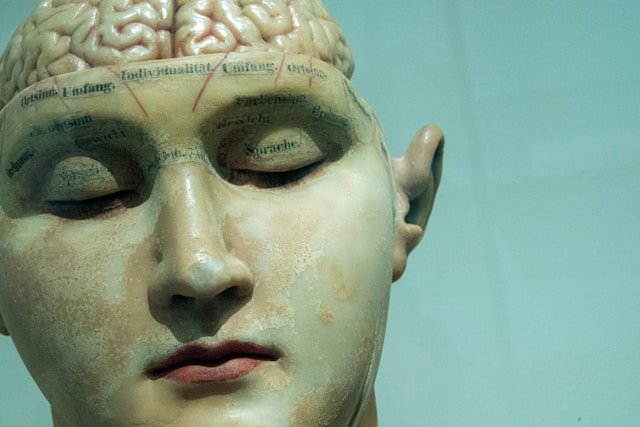
Photo by David Matos on Unsplash
About Wellcore Weekly: Wellcore Weekly covers health, wellness, nutrition, sleep, fitness, and medical research with timely, easy-to-understand updates for everyday readers.