
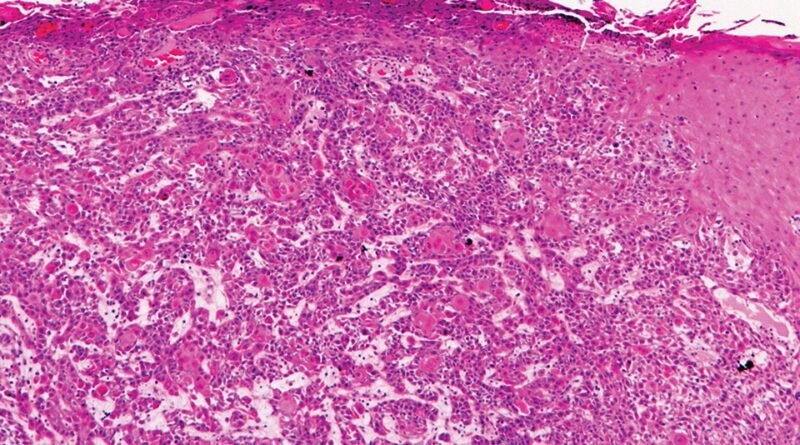
The Virus Hiding in Plain Sight How a Medical Mystery Restructured Our Understanding of Skin Cancer
We like to think of medical science as a series of neat boxes. You get an infection; you take an antibiotic. You get a tumor; surgeons cut it out. But every so often, a patient comes along who shatters those neat boxes entirely, forcing doctors to rewrite the rulebook.
Such is the case of a 34-year-old woman whose relentless battle with skin cancer has just blown open a whole new field of oncology.
For years, she faced a nightmare scenario: a aggressive form of skin cancer called cutaneous squamous cell carcinoma that kept returning, over and over, defying surgery and standard therapies. It didn’t make sense. She was young, and traditional treatments should have worked.
Frustrated and desperate for answers, a team of researchers decided to dig deeper into the actual genetic fabric of her tumor. What they found wasn’t just unexpected—it was unprecedented.
The Uninvited Guest Inside the DNA
Deep inside the cancer’s DNA, scientists discovered a squatter: beta human papillomavirus (beta HPV).
Now, beta HPV isn’t some exotic, tropical disease. It is an incredibly common, usually “mild” virus that most of our immune systems quiet down without us ever knowing. But in this patient’s case, the virus hadn’t just hitched a ride; it had actively hijacked the cancer’s genetic machinery, acting as a high-octane fuel to help the tumor grow and resist treatment.
This is a massive paradigm shift. While we’ve known for a long time that certain viruses (like HPV strains related to cervical cancer) can cause malignancies, seeing a “harmless” beta HPV actively driving a recurring skin cancer from inside the tumor’s DNA is something doctors had never clearly witnessed before.
The Missing Shield
The discovery raised an immediate question: Why her? Why was this common virus running rampant and weaponizing her cells?
The answer lay in her own genetics. Doctors discovered the patient suffered from a rare, previously undiagnosed germline immune deficiency. Essentially, her body was missing the specific genetic “security guards” needed to keep beta HPV in check. Without that immune shield, the virus was free to mutate, invade, and collaborate with the cancer.
It is a chilling reminder of how fragile our internal ecosystem is. It also highlights a frustrating truth in modern medicine: sometimes we spend so much time fighting the symptom (the tumor) that we miss the quiet, underlying vulnerability that allowed it to happen in the first place.
A Radical Solution Yields a Total Cure
Once doctors understood that the cancer was being fueled by a viral infection her immune system couldn’t fight, they stopped chasing the tumor and went after the root cause.
The treatment was radical: a bone marrow transplant.
By replacing her compromised immune system with healthy donor cells, doctors effectively gave her the defenses she should have had from birth. The result was nothing short of miraculous. Her new immune system immediately recognized the beta HPV, wiped it out, and just like that, the cancer stopped returning.
Why This Case Matters for All of Us
This isn’t just a feel-good story about one patient beating the odds. It is a massive wake-up call for how we treat skin cancer in people with compromised or weakened immune systems—including organ transplant recipients, HIV patients, and the elderly.
For too long, the medical community has treated skin cancer as a straightforward byproduct of UV light and bad luck. This landmark case, published in the New England Journal of Medicine, proves it can be much more complex.
Moving forward, oncologists can no longer afford to ignore the viral landscape of their patients. If a tumor keeps coming back, we need to start asking who—or rather, what—is helping it grow from the shadows.
About Wellcore Weekly: Wellcore Weekly covers health, wellness, nutrition, sleep, fitness, and medical research with timely, easy-to-understand updates for everyday readers.