
The Unsung Hero of Your Bloodstream
We’re constantly told to watch our cholesterol. We’re told to avoid certain fats and hit the gym. But what if one of the most effective ways to lower your LDL (the “bad” stuff) was as simple as changing the texture of your breakfast?
Enter soluble fiber. Unlike its cousin, insoluble fiber (which mostly keeps things moving along), soluble fiber does something far more sophisticated. It turns into a high-tech “gel” inside your gut that acts like a biological sponge.
If you want to understand how to manage your heart health without relying solely on a pharmacy, you need to understand the Bile Acid Trap.
1. The “Bile Trap” Trick
Your liver uses cholesterol to create something called bile acids. These acids are essential for breaking down the fats you eat. Normally, your body is a master of recycling; it uses the bile, then sucks it back up to use again later.
But when you eat foods rich in soluble fiber—like oats, barley, or beans—the game changes:
- The Gel Matrix: Soluble fiber dissolves in water and creates a thick, viscous gel.
- The Capture: This gel physically traps those bile acids, preventing them from being recycled.
- The Result: Your body is forced to poop them out.
Here is the “Magic” part: Because your liver now has a shortage of bile, it has to make more. To do that, it starts “vacuuming” cholesterol straight out of your bloodstream to use as raw material.
2. Slowing Down the “Sugar Rush”
The benefits don’t stop at cholesterol. That same gel-like consistency serves as a speed bump for your entire digestive system.
Instead of fats and sugars slamming into your bloodstream all at once, the gel slows down nutrient absorption. This gives your liver more time to regulate lipid metabolism and helps prevent those aggressive spikes in blood sugar that leave you feeling crashed and hungry by 11:00 AM.
3. Where to Find the “Good Stuff”
You don’t need fancy supplements to make this work. Some of the most powerful tools for your heart are likely already in your pantry:
- The Morning Powerhouse: Oats and barley are famous for a specific fiber called beta-glucan, which is world-class at forming that cholesterol-trapping gel.
- Legumes: Lentils, chickpeas, and black beans are fiber heavyweights.
- Fruits and Veggies: Brussels sprouts, apples (with the skin!), and citrus fruits are packed with pectin, another highly effective soluble fiber.
My Take: We spend so much time worrying about what to remove from our diets (like butter or steak) that we forget what we need to add. Adding a cup of beans or a bowl of oatmeal isn’t just a “diet tip”—it’s a mechanical intervention for your arteries.
According to research published in Nutrients, the link between high fiber intake and healthy cholesterol profiles is undeniable. While genetics and overall lifestyle always play a role, the physiological mechanism is clear: Soluble fiber shifts your body from “storing” cholesterol to “removing” it.
It’s one of the few times in nutrition where the science is straightforward, the cost is low, and the results are measurable.
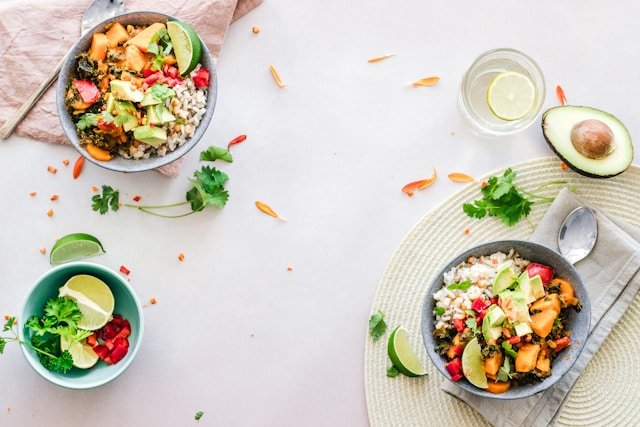
Photo by Ella Olsson on Unsplash
About Wellcore Weekly: Wellcore Weekly covers health, wellness, nutrition, sleep, fitness, and medical research with timely, easy-to-understand updates for everyday readers.