
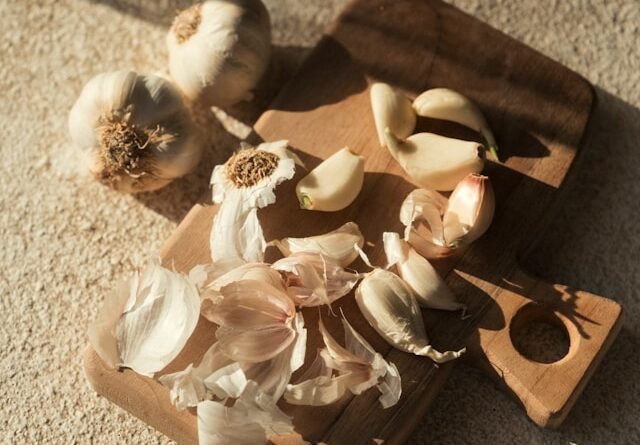
The Kitchen’s Most Underestimated Super food
Let’s be honest: onions rarely get the “superfood” spotlight. They aren’t as trendy as kale, and they don’t have the vibrant aesthetic of a dragon fruit. In fact, most of us treat them as a background player—a base for a soup or a crunchy topping for a burger.
But if you’re ignoring the onion, you’re missing out on one of the most potent, health-boosting tools in your pantry.
As part of the Allium vegetable family (alongside heavy hitters like garlic, leeks, and shallots), onions are packed with complex plant compounds that do a lot more than just make you cry. Here is why this pungent bulb deserves a permanent spot on your plate.
1. The Quercetin Factor: Your Internal Shield
Onions are one of the richest dietary sources of quercetin, a powerhouse flavonoid antioxidant. If you aren’t familiar with it, think of quercetin as your body’s personal bodyguard against oxidative stress.
- Inflammation Control: Research suggests quercetin helps regulate inflammatory pathways.
- Immune Support: It works to bolster your natural defense mechanisms, helping you stay resilient during cold and flu season.
Pro Tip: Don’t over-peel! The highest concentration of quercetin is found in the outer layers of the onion. Scrape off the papery skin, but try to keep as much of that first fleshy layer as possible.
2. The Science Behind the “Stink”
We’ve all been there—eyes watering over a cutting board. That happens because when you crush or slice an onion, it releases organosulfur compounds.
While they might be a nuisance for your mascara, these molecules are biological gold. Laboratory studies have highlighted their antimicrobial properties, and they are the primary reason onions have been used in traditional medicine for centuries. They aren’t just a strong aroma; they are active defense systems for the plant that translate into benefits for us.
3. A Win for Your Heart
Dietary habits are the cornerstone of cardiovascular health. While no single food is a “magic bullet,” onions are a fantastic ally for your ticker.
Nutritional research has consistently linked diets rich in Allium vegetables with better heart health markers, specifically:
- Supporting balanced cholesterol levels.
- Promoting healthy blood pressure ranges.
When you swap out high-sodium seasonings for the deep, savory umami of sautéed onions, your heart (and your taste buds) will thank you.
How to Get the Most Out of Your Onions
The beauty of the onion is its versatility. To maximize the health benefits, variety is key:
- Eat them Raw: Red onions in salads preserve the maximum amount of organosulfur compounds, which can be diminished by high heat.
- The Light Sauté: If you can’t handle the “bite” of raw onions, a quick toss in olive oil softens the texture while keeping most of the micronutrients intact.
- Don’t Forget the Fiber: Onions are an excellent source of prebiotic fiber, which feeds the “good” bacteria in your gut.
Onions are cheap, accessible, and incredibly nutrient-dense. They provide a unique combination of fiber, antioxidants, and sulfur compounds that you just can’t get from a supplement bottle.
The next time a recipe calls for half an onion, use the whole thing. Your body—and your dinner—will be better for it.
Photo by Ahmet Koç on Unsplash
About Wellcore Weekly: Wellcore Weekly covers health, wellness, nutrition, sleep, fitness, and medical research with timely, easy-to-understand updates for everyday readers.