
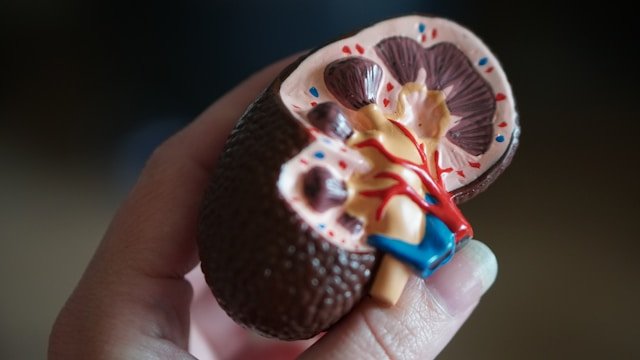
The Invisible Crisis: 800 Million Reasons to Check Your Kidneys Today
By: [Your Health Desk] May 8, 2026
In the world of global health, we tend to worry about the “loud” illnesses—the ones that cause immediate pain or visible symptoms. But a staggering new analysis published in The Lancet (DOI: 10.1016/S0140-6736(25)01853-7) highlights a “silent” driver of death that has now reached a terrifying milestone: 800 million people.
Chronic Kidney Disease (CKD) is no longer a niche medical concern; it is a global tidal wave fueled by the convergence of aging populations, soaring obesity rates, and the “twin shadows” of diabetes and high blood pressure.
Why the “Silent” Label is So Dangerous
The most frightening aspect of kidney decline is its stealth. Your kidneys are master multitaskers, filtering waste and balancing fluids with incredible efficiency. In fact, they are too good at their jobs—they can keep functioning even when significantly damaged.
By the time you actually feel sick—experiencing fatigue, swelling, or brain fog—your filtration units may have already hit a breaking point. This is why millions of people are walking around with a ticking clock in their mid-section, completely unaware that waste is slowly accumulating in their blood.
My Take: Our Healthcare Systems are Failing the “Early Warning” Test
I’ll be blunt: We are remarkably bad at catching this early. In most health systems, routine testing for kidney function is an afterthought. We wait for the heart attack or the diabetic crisis before we look at the kidneys, but the science shows that impaired kidneys massively amplify your risk of dying from heart disease.
We shouldn’t be waiting for filtration failure to take action. If you have high blood pressure or struggle with weight, you shouldn’t just be checking your heart; you should be demanding a simple creatinine or UACR test. Prevention isn’t just about “eating better”—it’s about proactive detection.
The Global Inequality Gap
The research paints a grim picture of “geographic luck.” While wealthy nations have access to dialysis and transplants, these lifesaving measures are virtually non-existent in lower-income regions. This makes CKD a primary driver of global mortality and disability. We aren’t just looking at a medical problem; we are looking at a systemic failure to provide basic diagnostic tools to the world’s most vulnerable
The Connection You Can’t Ignore
The “Big Three”—Diabetes, Hypertension, and Obesity—are the primary culprits. They don’t just strain your heart; they “scar” the delicate filtering units of the kidneys over time. Once that scarring happens, it’s a one-way street toward failure.
Chronic Kidney Disease is positioned to become one of the leading causes of death worldwide by the end of this decade. But it doesn’t have to be. Broader detection, more aggressive management of blood pressure, and a global shift in how we prioritize kidney health could save millions of lives.
Don’t wait for the symptoms. If you have the risk factors, have the conversation with your doctor now.
Photo by Robina Weermeijer on Unsplash
About Wellcore Weekly: Wellcore Weekly covers health, wellness, nutrition, sleep, fitness, and medical research with timely, easy-to-understand updates for everyday readers.