
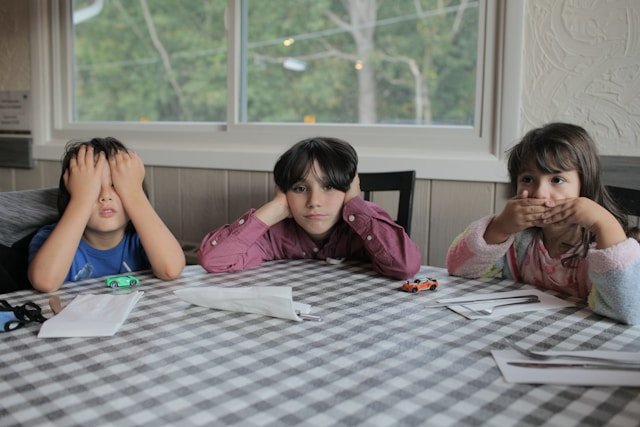
Beyond the Noise: Is Raising Your Voice Lowering Your Child’s Emotional IQ?
By Your Health Desk May 7, 2026
Let’s be honest: Parenting is a pressure cooker. Between the spilled juice on the white rug and the third tantrum before breakfast, “losing it” can feel like a reflex. But while a single outburst isn’t the end of the world, a growing body of research suggests that making yelling our “default setting” might be leaving a much deeper mark than we realize.
According to data curated by the National Library of Medicine (PubMed), frequent yelling at young children does more than just scare them in the moment—it physically triggers the brain’s high-alert stress response.
The Chemistry of Fear
When a child is yelled at, their brain doesn’t just register “Mom is mad.” It registers danger.
This triggers a flood of stress chemicals—like cortisol—designed to help us survive a threat. In a young, developing brain, constant exposure to these “fear chemicals” can start to reshape the architecture of the mind. Specifically, it affects the areas responsible for:
- Emotion Control: Making it harder for them to stay calm as they grow older.
- Memory: High stress can actually interfere with the brain’s ability to store and process information.
- Behavioral Regulation: Leading to a cycle where the child “acts out” more, triggering more yelling.
My Take: It’s Time to Lower the Temperature
I’m a firm believer that we’re all doing the best we can with the tools we have. But the science is getting harder to ignore: Tone often matters more than words. You can say something perfectly logical, but if it’s delivered at a 10-decibel roar, the child’s brain “shuts down” to protect itself. They aren’t hearing your lesson; they’re just surviving your volume.
The hardest part of parenting isn’t teaching the child; it’s regulating ourselves. When we choose calm, supportive communication, we aren’t “being soft”—we’re creating a safe environment where their brain can actually learn instead of just reacting.
The Long-Term “Echo”
The risk isn’t just a bad afternoon. Experts warn that children who grow up in high-volume households face significantly higher risks of anxiety and emotional difficulties later in life. By lowering our voices today, we’re essentially “future-proofing” their mental health.
Three Ways to Break the Yelling Cycle Tonight:
- The 10-Second Rule: Before you open your mouth, take three deep breaths. It sounds cliché, but it physically resets your stress response.
- Get on Their Level: Literally. Squat down so you’re eye-to-eye. It’s much harder to yell when you’re looking into their eyes rather than looming over them.
- Whisper the Instruction: Sometimes, the shock of a parent whispering a firm command is more effective at getting attention than a scream.
We aren’t aiming for perfection—that doesn’t exist. We’re aiming for connection. If we want our kids to learn emotional regulation, we have to model it for them. It starts with us realizing that our voices are the most powerful tool in our parenting kit; let’s make sure we’re using them to build up, not break down.
Photo by Keren Fedida on Unsplash
About Wellcore Weekly: Wellcore Weekly covers health, wellness, nutrition, sleep, fitness, and medical research with timely, easy-to-understand updates for everyday readers.