
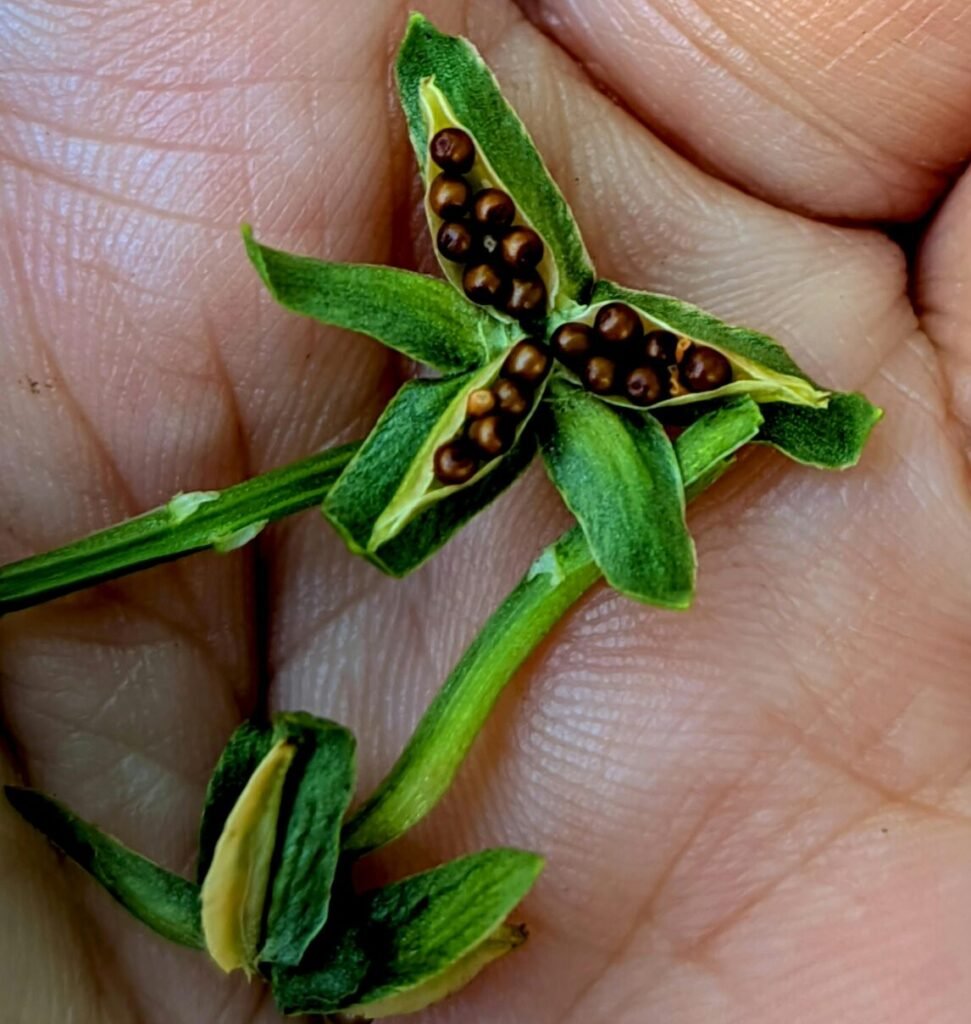
Can a Simple Seed Help Clean Your Drinking Water? The Science Behind Moringa and Microplastics
We often think of clean water as something we can see—clear, odorless, and safe. But what if the real concern isn’t visible at all?
Tiny particles called microplastics have been found in water sources around the world, including drinking water. And now, scientists are exploring an unexpected solution from nature: moringa seeds.
What Are Microplastics—and Why Do They Matter?
Microplastics are extremely small plastic particles, often invisible to the naked eye. They come from everyday items like packaging, clothing fibers, and degraded plastic waste.
Over time, these particles can make their way into rivers, oceans, and even treated drinking water. While research is still ongoing, scientists are studying how long-term exposure may affect human health.
The Moringa Seed Discovery
Researchers publishing in American Chemical Society found that extracts from Moringa oleifera seeds can help remove microplastics from water.
In controlled lab tests, specially prepared moringa seed extracts were able to remove up to 98% of microplastic particles. In some cases, this natural method performed as well as—or even better than—certain chemical treatments used in water purification.
That’s a big deal, especially as scientists search for safer, more sustainable ways to clean water.
How Does It Work?
Moringa seeds contain natural proteins that act like a magnet for impurities. When processed correctly, these proteins can bind to particles in water—including microplastics—causing them to clump together.
Once clumped, these particles become easier to remove through filtration.
It’s a simple idea, but one that could have powerful applications, especially in areas where advanced water treatment systems are limited.
As promising as it sounds, there’s an important limitation.
You can’t just crush moringa seeds and drop them into your water. The process used in research involves specific extraction, preparation, and filtration steps to ensure safety and effectiveness.
Without proper treatment, the results may not be reliable—and could even introduce new contaminants.
This discovery highlights something fascinating: sometimes, solutions to modern problems already exist in nature—we just haven’t fully understood them yet.
Using plant-based materials like moringa could lead to:
- More sustainable water purification methods
- Reduced reliance on synthetic chemicals
- Affordable solutions for communities with limited resources
While more research is needed before this becomes widely available, the potential is exciting.
A New Way to Think About Clean Water
As concerns about microplastics grow, innovations like this remind us that science and nature don’t have to compete—they can work together.
Clean water isn’t just about what we remove—it’s about how we remove it safely and sustainably.
About Wellcore Weekly: Wellcore Weekly covers health, wellness, nutrition, sleep, fitness, and medical research with timely, easy-to-understand updates for everyday readers.