
10 Everyday Foods That Support a Healthy Immune System
Your immune system works around the clock, helping your body recognise and respond to harmful microbes. It relies on a network of cells, tissues and organs, all of which need adequate nutrition to function properly.
That is why a balanced diet matters. Vitamins and minerals such as vitamins A, C and D, zinc and iron support normal immune function. Yet there is no magic ingredient that can guarantee protection against infections or switch off inflammation overnight.
Rather than chasing expensive supplements or so-called superfoods, focus on eating a variety of whole foods regularly. Here are 10 nutritious options worth adding to your meals.
1. Berries: Small Fruits With Big Nutritional Value
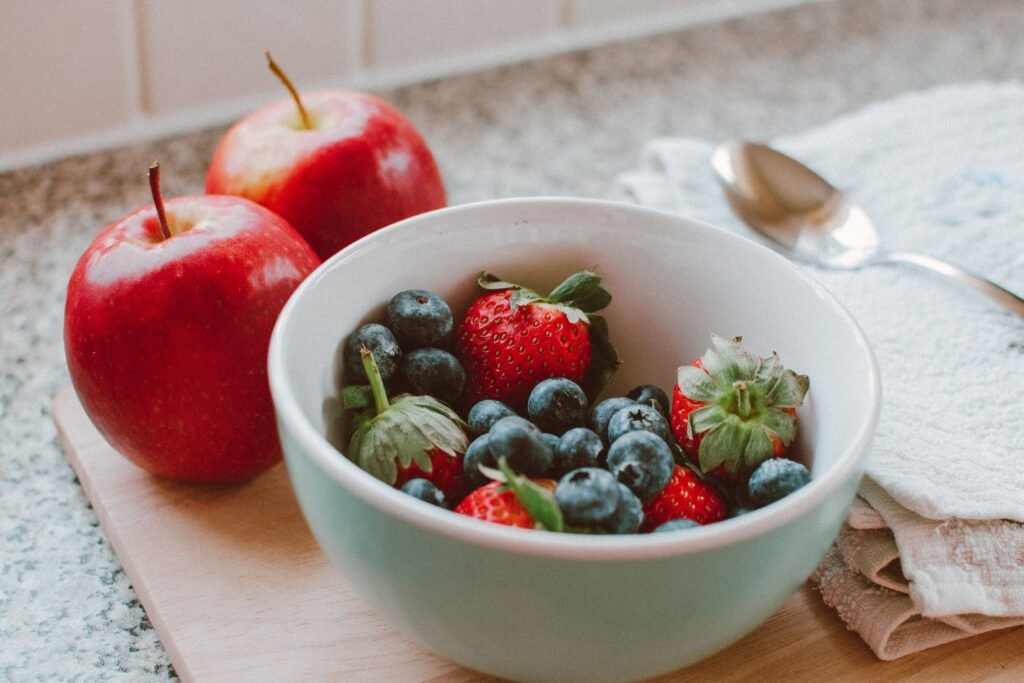
Blueberries, blackberries, strawberries and raspberries provide vitamin C, fibre and plant compounds called polyphenols. Their colourful pigments, including anthocyanins, have antioxidant properties that researchers continue to study.
Enjoy fresh or frozen berries with breakfast, blend them into a smoothie or add them to plain yoghurt. Frozen varieties can be just as useful as fresh ones, making it easier to eat fruit throughout the year.
Berries support a healthy dietary pattern, although claims that a daily serving directly prevents infections or reverses ageing are not established.
2. Turmeric: A Familiar Kitchen Spice
Turmeric contains curcumin, a compound studied for its potential effects on inflammation. It has a long history of culinary use, particularly in South Asian cooking.
Adding turmeric to lentils, vegetable curries, soups or rice is a simple way to bring flavour and variety to your meals. Black pepper can increase curcumin absorption, but that does not mean ordinary turmeric dishes act like a medical treatment.
Evidence remains insufficient to conclude that turmeric prevents infections or reliably treats inflammatory conditions. Concentrated curcumin supplements can also cause side effects and interact with medicines, so food use should not be confused with high-dose supplementation.
3. Ginger: More Than a Warming Ingredient
Ginger contains compounds called gingerols and is commonly used in cooking and drinks. Some evidence suggests ginger may help with nausea, although research into many other health claims remains limited.
Add fresh ginger to soups, stir-fries or warm water for flavour. It can be a useful part of a varied diet, but it should not be described as a proven remedy for viral infections or as a replacement for medical care.
4. Spinach: A Source of Essential Nutrients
Spinach provides folate, vitamin C, carotenoids and other nutrients involved in normal body functions. Dark leafy greens also add fibre and variety to everyday meals.
Use spinach in dals, omelettes, salads or cooked vegetable dishes. Wash fresh leaves thoroughly under running water before eating or preparing them.
No single green vegetable has been shown to prevent cancer or make the bloodstream hostile to disease. Its value lies in the nutrients it contributes to an overall healthy eating pattern.
5. Kale and Other Leafy Greens
Kale, mustard greens, collard greens and other leafy vegetables provide a mix of vitamins, minerals and beneficial plant compounds.
You do not need to find a particular variety or buy expensive imported greens. Choose vegetables that are fresh, affordable and readily available where you live. Cooking methods can vary, from steaming and sautéing to adding greens to soups and curries.
Regularly eating different vegetables helps broaden your nutrient intake rather than relying on one supposedly superior food.
6. Citrus Fruits: A Practical Source of Vitamin C
Oranges, lemons, sweet limes and other citrus fruits provide vitamin C, which supports normal immune function and helps the body make collagen.
Vitamin C deficiency can impair health, but taking extra vitamin C does not automatically make a well-nourished person more resistant to infections. Whole fruit is a useful everyday choice because it also supplies water and fibre.
Enjoy citrus fruit as a snack or alongside meals. There is no need to force yourself to drink large quantities of lemon water to obtain its benefits.
7. Nuts and Seeds: Small Servings, Useful Nutrients
Almonds, sunflower seeds, pumpkin seeds and other nuts and seeds supply nutrients such as vitamin E, zinc and healthy fats, depending on the variety.
Sprinkle seeds over porridge, add nuts to yoghurt or include them in homemade snacks. If allergies are a concern, choose safe alternatives.
These foods contribute to a balanced diet; they are not instant immune boosters. A varied combination of plant and other protein sources can help meet your nutritional needs.
8. Garlic: A Flavourful Addition to Meals
Garlic contains sulphur-containing compounds that have attracted scientific interest. However, laboratory findings do not establish that eating garlic prevents colds or other infections in everyday life.
Use fresh garlic in vegetables, soups, sauces and lentil dishes. It can make nutritious meals more flavourful without relying on excessive salt.
9. Green Tea: A Source of Plant Compounds
Green tea contains polyphenols, including catechins such as EGCG. These compounds are being studied for a range of biological effects, but drinking green tea has not been proven to prevent viral infections.
Enjoy it unsweetened if you like the taste, and remember that it contains caffeine. Matcha is another option, but it is not necessary to consume powdered tea or use a special brewing method to maintain good health.
10. Nutritional Yeast: An Optional Pantry Staple
Nutritional yeast has a savoury flavour and can provide protein and certain B vitamins. Its nutritional content varies by product, particularly when it is fortified.
Sprinkle it over popcorn, roasted vegetables or pasta if you enjoy the taste. It is optional, not essential, and there is not enough evidence to recommend it as a reliable way to prevent respiratory infections or allergies.
Don’t Forget the Basics of Food Safety
Eating nutritious food is only part of maintaining health. Wash produce thoroughly under running water before cutting or eating it. The US Food and Drug Administration does not recommend washing fruits and vegetables with soap or household detergent.
Vinegar or salt baths are not necessary as a routine substitute for washing under running water, and no home-washing method removes every pesticide residue or harmful microbe.
Also prioritise adequate sleep, regular physical activity, recommended vaccinations and good hand hygiene. These measures complement healthy eating rather than competing with it.
The Bottom Line
A healthy immune system is supported by consistent habits, not one miracle food. Berries, leafy greens, citrus fruits, nuts, seeds, spices and other nutrient-rich ingredients can all contribute to a varied diet.
The goal is not to eliminate every inflammatory process or promise that you will never become ill. It is to give your body the nutrients it needs, enjoy a broad range of foods and avoid unnecessary supplements or exaggerated health claims.
Start with small, realistic changes: add fruit to breakfast, include vegetables at lunch or dinner, and choose nourishing snacks when you are hungry. Over time, these everyday choices can help support overall health.
Photo by Lisa Fotios: https://www.pexels.com/photo/bowl-of-strawberries-and-berries-on-chopping-board-1765597/
About Wellcore Weekly: Wellcore Weekly covers health, wellness, nutrition, sleep, fitness, and medical research with timely, easy-to-understand updates for everyday readers.