
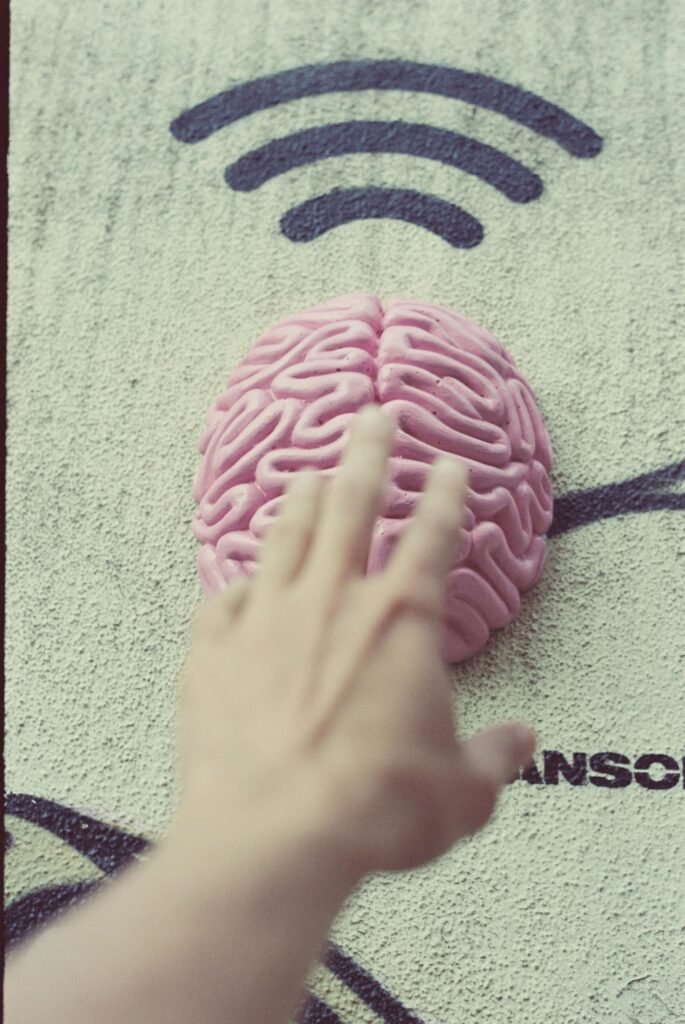
Your Brain Isn’t Fixed—It’s Constantly Rewiring Itself
The Myth We’ve Been Told
For a long time, people believed the brain “peaked” early in life. After a certain age, learning slowed down, habits got locked in, and change became harder—almost impossible.
But modern science has completely flipped that idea on its head.
The Brain’s Hidden Superpower
The concept behind this shift is called Neuroplasticity—your brain’s ability to reorganize, adapt, and literally change its structure based on how you think, feel, and act.
This isn’t just theory. It’s been observed again and again:
- New neural connections forming
- Old pathways weakening or disappearing
- Entire regions of the brain adapting to new demands
In simple terms, your brain is always under construction.
What Actually Triggers Change
Here’s where it gets interesting—and a bit empowering. Your brain doesn’t change randomly. It responds to how you engage with the world.
When you enter states like:
- Deep focus
- Curiosity
- Emotional involvement
your brain releases powerful chemicals like dopamine and acetylcholine. These act like signals telling your neurons: “This matters—strengthen this pathway.”
What you pay attention to, you literally build into your brain.
Why Mindset Matters More Than Age
One of the biggest takeaways from this research is that change isn’t limited by age—it’s driven by mental state.
That means:
- You can learn new skills later in life
- You can reshape habits that feel “stuck”
- You can improve memory, focus, and emotional control
The real barrier isn’t getting older—it’s staying mentally disengaged.
Small Habits, Real Brain Changes
You don’t need extreme routines to reshape your brain. In fact, consistent, simple actions tend to work better:
- Learning something new (even in small doses)
- Practicing mindfulness or meditation
- Challenging yourself outside your comfort zone
- Staying genuinely curious
Over time, these habits don’t just change behavior—they change brain structure.
The Flip Side No One Talks About
Here’s the part people often ignore: your brain rewires in both directions.
Chronic stress, distraction, and living on autopilot can:
- Strengthen negative patterns
- Reduce flexibility in thinking
- Reinforce habits you don’t actually want
So it’s not just about growth—it’s about what you’re reinforcing daily without realizing it.
A More Honest Take
Let’s be clear—neuroplasticity isn’t magic. You can’t just “think your way” into instant transformation. Change still takes time, effort, and repetition.
But it does mean something important:
You are not as stuck as you think you are.
Your brain is adaptable—but it responds to consistent direction, not occasional bursts of motivation.
Your brain is always listening—to your focus, your habits, and your experiences. Every moment of attention is shaping something.
So the real question isn’t “Can I change?”
It’s “What am I training my brain to become right now?”
Because whether you realize it or not—you’re already rewiring it.
About Wellcore Weekly: Wellcore Weekly covers health, wellness, nutrition, sleep, fitness, and medical research with timely, easy-to-understand updates for everyday readers.