
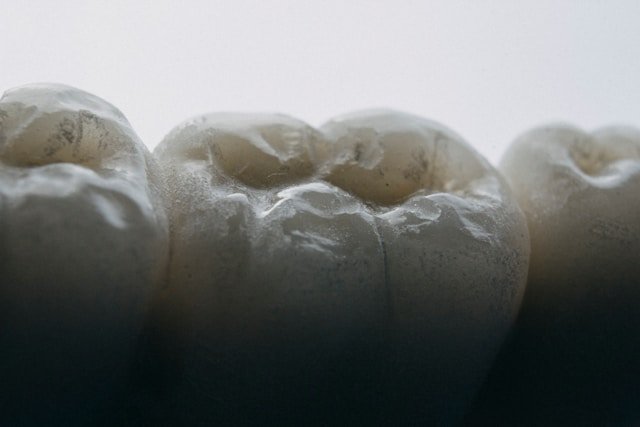
Why Scientists Are Studying Wisdom Teeth as a Potential Source of Stem Cells
For many people, wisdom tooth removal is a routine dental procedure. Once extracted, the teeth are typically discarded as medical waste. However, researchers are investigating whether these teeth may contain valuable stem cells that could contribute to future advances in regenerative medicine.
Inside every tooth is a soft tissue known as the dental pulp, which contains dental pulp stem cells (DPSCs). Scientists are studying these cells because of their ability to develop into several different types of tissue under laboratory conditions.
While research is still ongoing, these findings have sparked growing interest in the potential medical value of teeth that were once considered to have little purpose.
What Are Dental Pulp Stem Cells?
Dental pulp stem cells are a type of adult stem cell found within the center of healthy teeth, including wisdom teeth.
In laboratory studies, researchers have shown that DPSCs can develop into a variety of cell types, including those involved in forming:
- Bone
- Cartilage
- Dental tissue
- Blood vessels
- Nerve-related cells under specific experimental conditions
Scientists continue to investigate how these cells might one day support tissue repair and regenerative therapies.
Why Wisdom Teeth Are of Interest
Wisdom teeth are often removed during the late teenage years or early adulthood, a period when dental pulp stem cells may be especially healthy and active.
Because these teeth are already being extracted for dental reasons, researchers view them as a convenient source of stem cells without requiring additional medical procedures.
This differs from other stem cell collection methods, such as bone marrow donation, which can involve more invasive techniques.
The Growing Interest in Tooth Banking
Some specialized laboratories now offer dental stem cell banking, allowing patients to preserve stem cells collected from extracted teeth for possible future research or therapeutic applications.
The cells are processed and stored at very low temperatures in specialized cryogenic facilities.
It is important to note that, at present, storing dental stem cells does not guarantee they can be used for future medical treatments, as many potential applications are still being studied.
Where the Research Stands
Scientists are exploring whether dental pulp stem cells could eventually contribute to treatments for a range of conditions involving damaged or diseased tissues.
Areas of ongoing research include:
- Bone regeneration
- Dental tissue repair
- Nerve regeneration
- Spinal cord injury research
- Neurodegenerative disease research
Most of these applications remain experimental and require further laboratory studies and clinical trials before becoming established medical treatments.
Regenerative medicine is one of the fastest-growing areas of biomedical research, with scientists investigating how the body’s own cells might help repair damaged tissues.
Although dental pulp stem cells are not yet part of routine medical care, wisdom teeth are increasingly being recognized as a valuable resource for scientific research.
As studies continue, these cells may provide new insights into tissue regeneration and help expand future treatment options. For now, experts recommend discussing any questions about stem cell banking with qualified dental and medical professionals to better understand the current evidence, potential benefits, and limitations.
Photo by Ozkan Guner on Unsplash
About Wellcore Weekly: Wellcore Weekly covers health, wellness, nutrition, sleep, fitness, and medical research with timely, easy-to-understand updates for everyday readers.