
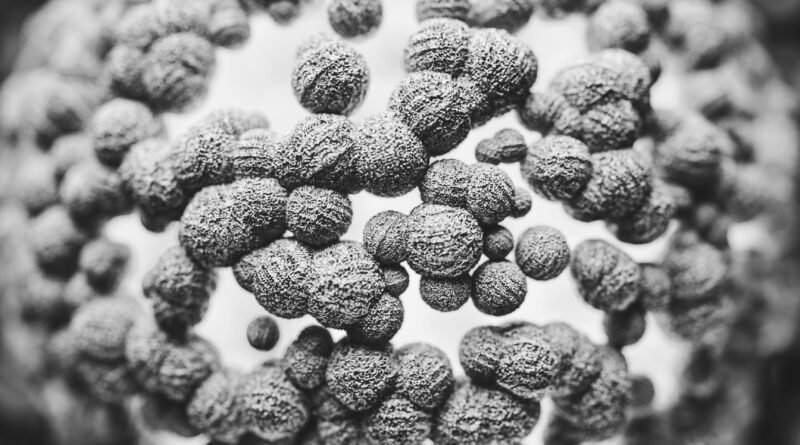
The Hidden Role of Your Gut in Managing Microplastics
Microplastics—tiny plastic particles smaller than 5 millimeters—have become one of the most widespread environmental pollutants on Earth. These microscopic fragments are now found in food, drinking water, air, and even inside the human body. Scientists estimate that people are regularly exposed to microplastics through ingestion and inhalation, raising concerns about potential health effects.
Recent research suggests that the human gut and its microbiome may play an important role in interacting with, processing, and potentially limiting the effects of microplastics. While the science is still developing, the digestive system may be more involved in handling these particles than previously thought.
What Are Microplastics?
Microplastics are small plastic fragments that come from the breakdown of larger plastic products or from manufactured sources such as cosmetics, synthetic fabrics, and packaging materials.
Because these particles are so tiny, they can enter the human body through food, drinking water, and even airborne dust. Scientists now consider the gastrointestinal tract a major point of exposure to microplastics and nanoplastics.
Once inside the body, these particles interact with digestive tissues and the trillions of microorganisms living in the gut.
The Gut Microbiome: Your Internal Ecosystem
The gut microbiome is a complex community of bacteria, fungi, and other microorganisms that live in the digestive tract. These microbes help regulate many essential processes, including:
- Digestion and nutrient absorption
- Immune system function
- Production of certain vitamins
- Protection against harmful pathogens
Because the microbiome interacts closely with everything that enters the digestive system, scientists are investigating how it responds when microplastics appear in the gut.
Studies indicate that microplastic exposure can alter microbial composition, diversity, and metabolic activity, potentially disrupting normal gut functions.
How Microplastics Interact With the Gut
Emerging research shows that microplastics do not simply pass through the digestive system unchanged. Instead, they may interact with intestinal tissues and microbes in several ways.
1. Altering Gut Bacteria
Research indicates that microplastics can change the balance of beneficial and harmful bacteria in the gut microbiome. This shift may influence digestion, immune responses, and inflammation.
Changes in microbial populations may also affect metabolic pathways and chemical signals produced by gut bacteria.
2. Affecting Metabolism and Digestive Processes
Some studies suggest that exposure to microplastics can influence metabolic functions related to cholesterol metabolism, bile acids, and short-chain fatty acids—important molecules produced by gut bacteria that support digestive and immune health.
Disruptions in these metabolic pathways may have long-term implications for overall health.
3. Influencing the Gut Barrier
The intestinal lining acts as a protective barrier between the digestive system and the rest of the body. Research suggests that microplastics could potentially increase gut permeability, sometimes referred to as “leaky gut,” allowing harmful substances to enter the bloodstream more easily.
However, scientists emphasize that more studies are needed to confirm these effects in humans.
Could Gut Bacteria Help Neutralize Microplastics?
Some researchers believe certain microbes may help reduce the impact of microplastics by interacting with or transforming them.
Although most probiotic bacteria do not appear to directly break down plastics, the gut microbiome may still help limit damage by:
- Modulating inflammation
- Strengthening intestinal barriers
- Supporting detoxification processes
This suggests the microbiome may play a protective role in managing environmental exposures inside the digestive system.
The Bigger Health Picture
Scientists are still trying to determine exactly how microplastics affect human health. While laboratory and animal studies indicate possible risks—such as inflammation, metabolic changes, and immune disruption—the evidence in humans is still evolving.
Experts stress that the gastrointestinal system is the primary interface between the body and ingested microplastics, making gut health an important focus of ongoing research.
Understanding how the microbiome interacts with these particles may help scientists develop strategies to reduce their impact.
Protecting Your Gut Health
Although microplastics are difficult to avoid completely, certain lifestyle choices may help support gut health:
- Eat a fiber-rich diet to nourish beneficial gut bacteria
- Consume fermented foods such as yogurt, kefir, and kimchi
- Limit use of single-use plastics, especially when heating food
- Drink filtered water when possible
- Choose natural materials like glass or stainless steel for food storage
Healthy gut bacteria may improve the body’s resilience against environmental stressors.
Conclusion
Microplastics are becoming an unavoidable part of the modern environment, and scientists are only beginning to understand their effects on human health. The digestive system—and particularly the gut microbiome—appears to play a critical role in how the body interacts with these particles.
While research is still in its early stages, the gut’s complex ecosystem may help mitigate some of the potential risks associated with microplastic exposure. As studies continue, understanding the relationship between microplastics and gut health could open new pathways for protecting human health in an increasingly plastic-filled world.
Sources
- Nature Reviews Gastroenterology & Hepatology – Research on microplastics and the human gut.
- BMC Gastroenterology – Systematic review on microplastics and the gut microbiome.
- Environmental Microbiome Journal – Impacts of plastics on digestive systems and microbial communities.
- Environmental Pollution – Role of bacteria in responding to microplastic exposure.
- Metabolites Journal – Microplastic exposure and changes in gut metabolic pathways.
- Euronews Health – Research showing microplastics can alter gut microbiome activity.
Photo by Marek Piwnicki:
About Wellcore Weekly: Wellcore Weekly covers health, wellness, nutrition, sleep, fitness, and medical research with timely, easy-to-understand updates for everyday readers.