
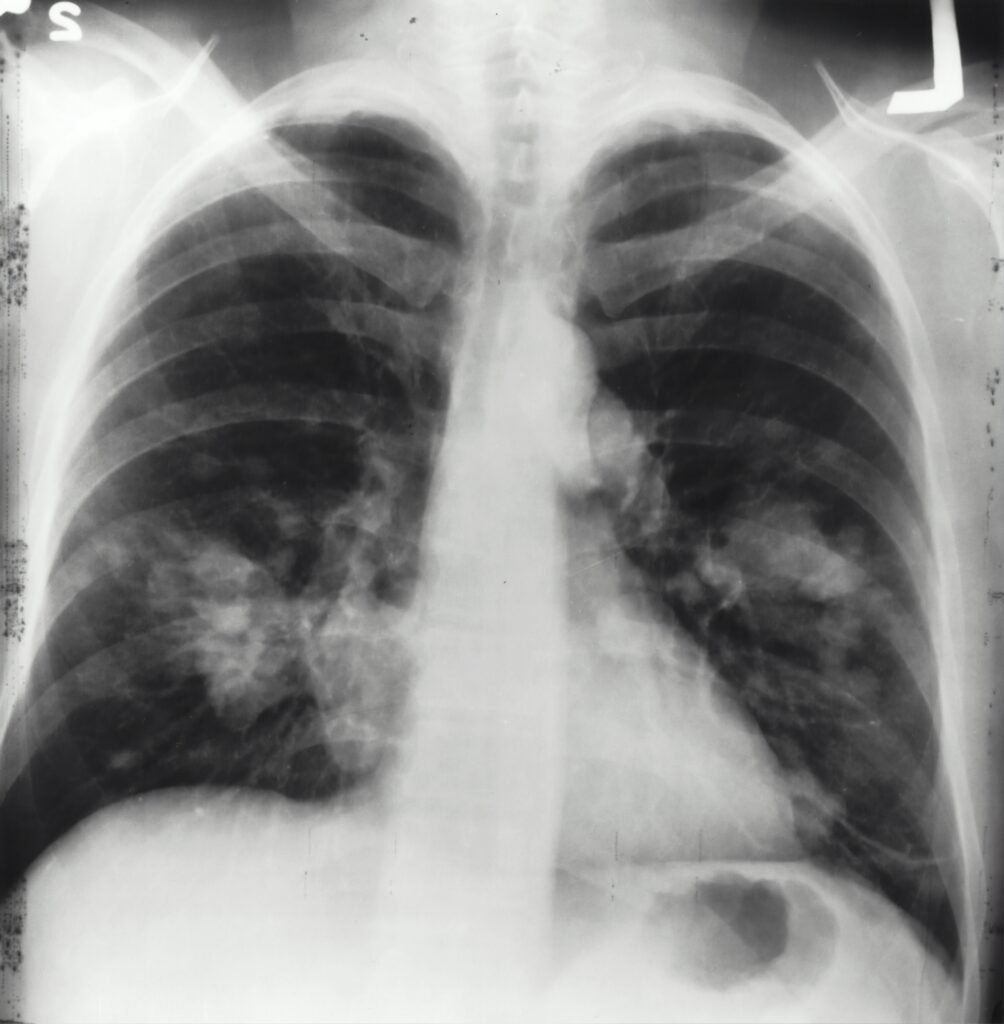
Researchers Uncover Hidden Risk Behind Lung Cancer
A Silent Disease That Often Goes Unnoticed
Lung cancer remains one of the most serious global health challenges today. Despite medical advances, it is still the leading cause of cancer-related deaths worldwide, responsible for millions of deaths every year.
One reason this disease is so dangerous is that it often develops quietly. In many cases, people experience few or no symptoms in the early stages, meaning the condition may only be discovered after it has already spread.
Because of this silent progression, lung cancer is frequently referred to as a “hidden killer.”
Why Lung Cancer Is Often Detected Late
Several factors contribute to delayed diagnosis:
1. Few Early Symptoms
In the early stages, lung cancer may not cause noticeable symptoms. Even when symptoms appear, they are often mild or mistaken for common respiratory conditions such as a cold or bronchitis.
2. Generic Warning Signs
When symptoms do develop, they may include:
- Persistent cough
- Chest pain
- Shortness of breath
- Fatigue
- Unexplained weight loss
- Coughing up blood
Because these signs resemble everyday illnesses, many people delay seeking medical attention.
3. Lack of Pain in Early Stages
Experts explain that the lungs have very few nerve endings, meaning tumors can grow without causing significant discomfort early on.
Major Risk Factors
Although lung cancer can affect anyone, several factors significantly increase the risk.
Smoking
Smoking remains the leading cause of lung cancer, responsible for roughly 85% of cases.
Secondhand Smoke
Even people who do not smoke may develop lung cancer through long-term exposure to secondhand smoke.
Environmental and Occupational Exposure
Other risk factors include:
- Radon gas in homes
- Air pollution
- Asbestos and chemical exposure
- Family history of lung cancer
These factors can damage lung tissue over time and increase the likelihood of cancer development.
Types of Lung Cancer
There are two main forms of lung cancer:
Non-Small Cell Lung Cancer (NSCLC)
This is the most common type, accounting for about 80–85% of cases.
Small Cell Lung Cancer (SCLC)
This type is less common but tends to grow and spread more quickly.
Understanding the specific type is important because treatment approaches differ.
Why Early Detection Matters
When lung cancer is detected early, treatment options can be far more effective. Early-stage cancers may sometimes be treated with surgery, radiation therapy, or targeted treatments.
Health experts recommend screening with low-dose CT scans for individuals at high risk, particularly long-term smokers between certain age groups.
Early diagnosis significantly improves survival chances.
Prevention and Risk Reduction
Although not all cases can be prevented, certain lifestyle choices can reduce the risk of lung cancer.
Avoid tobacco smoke. Quitting smoking is the most effective way to lower risk.
Test homes for radon. Radon gas is a major environmental cause of lung cancer.
Limit exposure to harmful chemicals. Protective measures in workplaces can reduce risk.
Maintain good air quality. Reducing pollution exposure supports overall lung health.
Final Thoughts
Lung cancer’s reputation as a hidden killer stems from its ability to develop silently and remain undetected until advanced stages. Greater awareness of risk factors and early warning signs may help people seek medical advice sooner.
With improved screening methods and ongoing medical research, early detection and prevention strategies continue to play a crucial role in reducing the impact of this serious disease.
Sources
- World Health Organization – Lung Cancer Facts
- Mayo Clinic – Lung Cancer Symptoms and Causes
- Medical News Today – Lung Cancer Overview
- National Center for Biotechnology Information (NCBI) – Lung Cancer Research
- Healthline – Lung Cancer Facts and Statistics
Photo by National Cancer Institute on Unsplash
About Wellcore Weekly: Wellcore Weekly covers health, wellness, nutrition, sleep, fitness, and medical research with timely, easy-to-understand updates for everyday readers.