
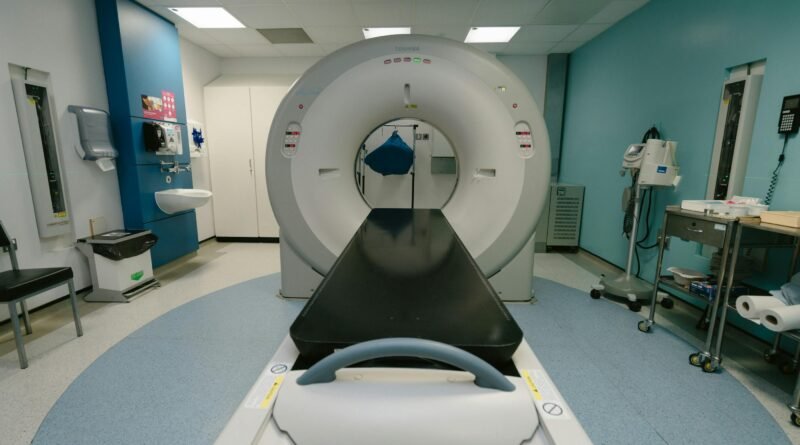
MRI-Guided Cryoablation: The Cutting-Edge Cancer Treatment Freezing Tumors From the Inside
A New Approach to Cancer Treatment
In modern medicine, some of the most powerful breakthroughs focus not on larger surgeries, but on smarter and less invasive technology. One such innovation gaining attention is MRI-guided cryoablation, an advanced procedure being used by doctors in Sydney to treat certain tumors with remarkable precision.
This technique allows physicians to freeze and destroy cancerous tissue from the inside, often without the need for major surgery. For many patients, the procedure can be completed in a single visit, with minimal recovery time.
How MRI-Guided Cryoablation Works
Cryoablation is a medical procedure that destroys abnormal tissue by exposing it to extremely cold temperatures. In this advanced version of the technique, doctors use real-time MRI imaging to guide a small probe directly into a tumor.
The process typically involves:
- Real-time imaging guidance – MRI scans help doctors accurately locate the tumor.
- Insertion of a thin cryoprobe – A tiny needle-like probe is carefully guided into the tumor.
- Extreme freezing – The probe releases extremely cold gas, lowering temperatures to about –40°C or even colder.
- Tumor destruction – The freezing process causes cancer cells to rupture and die.
Because MRI provides detailed images during the procedure, doctors can target only the tumor while protecting nearby healthy tissue.
Why This Technology Is So Promising
MRI-guided cryoablation offers several potential benefits compared with traditional surgery:
- Minimally invasive procedure
- Little or no scarring
- Reduced pain
- Short recovery time
- Lower risk for vulnerable patients
Many patients are able to return home the same day, avoiding long hospital stays.
For individuals who may not tolerate conventional surgery—such as older patients or those with other medical conditions—this treatment may provide an important alternative.
A Lifeline for Difficult Tumors
Doctors say the technology can be particularly helpful when tumors are located in sensitive or hard-to-reach areas of the body.
Because MRI guidance allows doctors to see the exact position of the probe during treatment, the technique can be used with extreme precision, minimizing damage to surrounding organs or nerves.
This makes cryoablation especially valuable when treating tumors that would otherwise require risky surgical procedures.
The Science Behind the Freeze
The power of cryoablation lies in its ability to rapidly freeze cancer cells.
When tissues are cooled to around –40°C, ice crystals form inside the cells. These crystals damage the cell structure and disrupt essential biological processes, causing the cancer cells to die.
Healthy surrounding tissues are far less affected because the freezing zone can be carefully controlled by physicians using MRI guidance.
The Future of Minimally Invasive Cancer Care
Cryoablation is part of a broader movement in medicine toward precision therapies that treat disease while preserving as much healthy tissue as possible.
Researchers and clinicians believe that advanced imaging technologies combined with targeted treatments could dramatically improve patient outcomes in the future.
Instead of large incisions and lengthy recoveries, many treatments may increasingly rely on small instruments guided by powerful imaging systems.
Final Thoughts
While cryoablation is not suitable for every type of cancer, its growing use highlights how innovative technologies are reshaping modern healthcare. For many patients, the ability to treat tumors quickly, precisely, and with minimal recovery time represents a significant step forward.
As research continues and technologies evolve, minimally invasive treatments like MRI-guided cryoablation may become an important part of the next generation of cancer care.
Sources
- NSW Health – Medical imaging and cancer treatment information
- Sydney Adventist Hospital – Clinical use of cryoablation and interventional radiology procedures
- Radiological Society of North America – Research on MRI-guided tumor ablation techniques
Photo by Jo McNamara:
About Wellcore Weekly: Wellcore Weekly covers health, wellness, nutrition, sleep, fitness, and medical research with timely, easy-to-understand updates for everyday readers.