
Don’t Skip Leg Day How Lower-Body Strength Training Shields Your Brain from Cognitive Decline
Published: June 18, 2026
For decades, the fitness industry has sold strength training through a purely cosmetic lens. We are told to squat for better posture, lunge for functional balance, and build muscle to look good in the mirror.
But groundbreaking research published in the journal Gerontology [LINK] turns this superficial approach on its head. The data reveals a startling, direct connection between lower-body muscular strength and long-term neurological resilience.
According to the study, heavy weight-bearing exercises that challenge the legs—such as squats, lunges, and leg presses—are not just building muscle; they are actively altering the internal environment of the human brain to protect against cognitive decay, memory loss, and dementia.
For anyone tracking the rising tide of age-related cognitive disorders in the West, this research delivers a profound baseline truth: True mental longevity is driven from the ground up.
The Neurobiology of the Squat: Blood Flow and Brain Plasticity
The mechanics behind this leg-brain connection are deeply rooted in human physiology. When you perform demanding lower-body resistance movements, the sheer volume of muscle mass being recruited forces the cardiovascular system to work under intense, controlled pressure. This action significantly optimizes systemic circulation, pumping an influx of oxygenated, nutrient-rich blood straight to the cerebral cortex.
This blood flow preferentially targets areas of the brain heavily involved in executive function, working memory, and rapid decision-making. Neurons require immense amounts of metabolic energy to function efficiently, and this targeted circulation ensures they receive the structural fuel necessary to thrive.
          THE LEG-BRAIN CONNECTION: PHYSIOLOGICAL MECHANISMS
               (Source: Gerontology Journal, DOI: 10.1159/000441029)
+------------------------------------+------------------------------------+
|       Lower-Body Stimulation       |       Neurological Response        |
+------------------------------------+------------------------------------+
| • High-volume recruitment of quadriceps| • Surge in cerebral blood flow to  |
|   and gluteal muscle groups.       |   memory & attention centers.      |
| • Intense weight-bearing mechanical | • Triggering of neurotrophic       |
|   loading on the muscular system.  |   growth factors (BDNF).           |
| • Increased metabolic regulation &  | • Reduction in systemic and        |
|   glucose clearing efficiency.     |   neuro-inflammatory markers.      |
+------------------------------------+------------------------------------+
Furthermore, the mechanical stress of lifting weights signals the endocrine system to release vital growth factors and hormones. These biological messengers stimulate neuroplasticity—the brain’s structural ability to rewire itself, heal damaged pathways, and forge robust new neural networks.
Over months and years, the physical strength built in your quadriceps, hamstrings, and glutes translates directly into a physical reserve of gray matter, preserving processing speed and memory retention as you age.
The Policy Failure: Moving Away from Physical Resilience
For those of us observing the current state of public health administration, this study exposes a critical flaw in the modern medical paradigm. The federal health establishment—led by over-bureaucratized agencies like the Department of Health and Human Services (HHS) [LINK]—remains fundamentally obsessed with reactive, pharmaceutical-first solutions to cognitive aging.
Rather than encouraging a culture of rigorous physical resilience, functional self-reliance, and personal accountability, our public health narratives have normalized a sedentary lifestyle. We have atomized our communities, pushing aging Americans toward isolation and chemical dependency rather than active, lifestyle-based prevention.
The science is now proving that the brain cannot be treated in isolation from the rest of the body. Metabolic dysfunction and systemic inflammation are two of the primary drivers of cognitive decay. Heavy lower-body exercise is one of the most effective ways to regulate blood glucose, clear cellular waste, and squash chronic inflammation before it reaches the central nervous system.
The human body was designed to move, lift, and carry load. God did not design our minds to remain sharp while our physical temples deteriorate in a sedentary armchair.
Practical Interventions for Long-Term Mental Sharpness
To capitalize on this research and safeguard your household’s health, we must reject the low-effort wellness advice dominant in contemporary culture and embrace structured, progressive resistance training.
- Prioritize Compound Lower-Body Movements: Your fitness routine must center around movements that place a structural load on your legs. Free-weight squats, walking lunges, goblet squats, and leg presses should form the bedrock of your physical routine, regardless of your age.
- Expand Health Savings Account (HSA) Freedom: From a legislative standpoint, federal policy should immediately reform HSA and FSA guidelines
[LINK]to allow pre-tax dollars to fully cover gym memberships, private strength coaching, and resistance equipment for aging Americans. Investing in physical strength upfront drastically reduces the long-term, back-breaking financial drain on Medicare and state Medicaid systems. - Foster Multi-Generational Fitness: We must bring physical culture back into the American home. Encourage aging parents and grandparents to engage in supervised, safe resistance training. Maintaining their leg strength is the single most practical way to preserve both their physical independence and their mental clarity.
Ultimately, this study reminds us that a strong nation is built on strong individuals. By taking control of our physical health, respecting the intricate design of our biology, and rejecting state-subsidized physical decline, we can ensure that our families age with maximum strength, dignity, and intellectual sharpness.
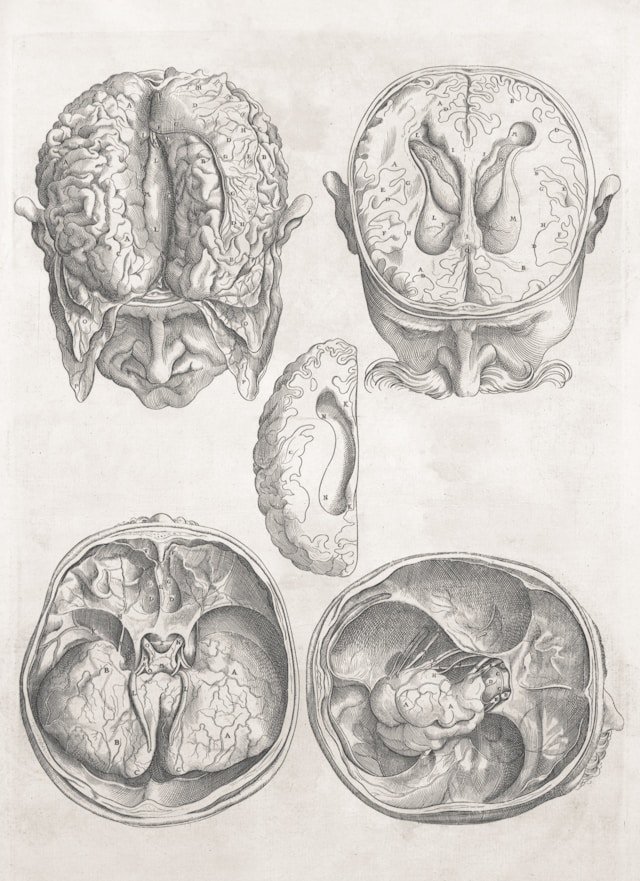
Photo by The New York Public Library on Unsplash
About Wellcore Weekly: Wellcore Weekly covers health, wellness, nutrition, sleep, fitness, and medical research with timely, easy-to-understand updates for everyday readers.