
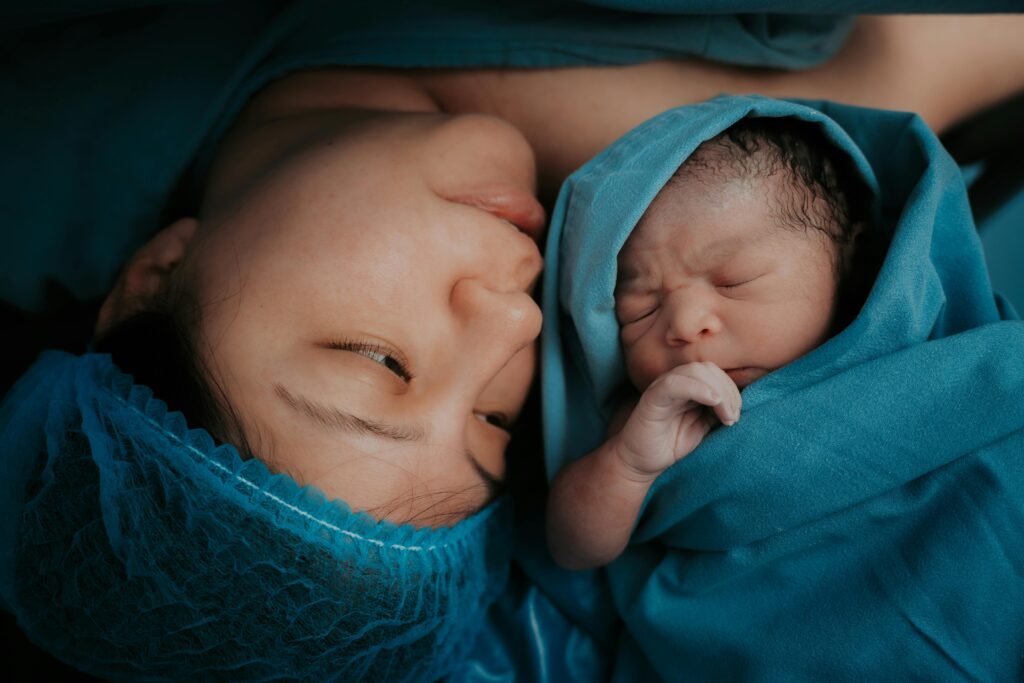
C-Section: More Than a Routine Delivery
Understanding the Reality of Cesarean Birth
A cesarean section, commonly known as a C-section, is often described as routine—but medically, it is a major surgical procedure. During a C-section, doctors make incisions through multiple layers of the abdomen and uterus to safely deliver a baby.
While it is a life-saving intervention in many cases, the physical demands on the body are significant and should not be underestimated.
What Happens During a C-Section?
In a typical Cesarean section, surgeons carefully cut through:
- Skin
- Fat layers
- Abdominal muscles
- Uterine wall
This process requires precision and carries the same considerations as other major surgeries, including risks of infection, bleeding, and recovery challenges.
The Immediate Aftermath: Recovery Begins Quickly
Unlike many surgeries where patients are given extended rest, women who undergo C-sections are often encouraged to sit up and begin walking within hours.
This early movement is medically important—it helps reduce complications like blood clots and supports healing. However, it can be physically and emotionally demanding, especially with a fresh surgical incision.
Balancing Recovery and Newborn Care
At the same time, new mothers are expected to care for their newborns almost immediately. This includes:
- Breastfeeding or bottle feeding
- Holding and soothing the baby
- Managing sleep deprivation
Recovery from surgery combined with the constant needs of a newborn creates a unique and intense challenge.
Why Early Movement Matters
Doctors recommend early mobility after surgery to prevent conditions like Deep Vein Thrombosis and to improve circulation.
Although movement may be painful, gentle activity supports:
- Blood flow
- Faster healing
- Reduced risk of complications
Still, this does not mean recovery is easy—it requires both physical endurance and proper support.
The Emotional and Physical Strength Behind It
C-section recovery is not just about healing an incision. It involves:
- Managing post-surgical pain
- Hormonal changes
- Emotional adjustment to motherhood
- Physical fatigue
Despite these challenges, many women navigate this period while prioritizing their baby’s needs, demonstrating remarkable resilience.
Changing the Conversation Around C-Sections
There is growing awareness that C-sections should not be minimized as “easy” or “lesser” forms of childbirth. Recognizing them as major surgeries helps:
- Set realistic recovery expectations
- Encourage better postpartum care
- Promote empathy and support for mothers
Final Thought
A C-section is a complex medical procedure followed by an intense recovery period—often while caring for a newborn. Acknowledging the physical and emotional demands of this experience is an important step toward better maternal health and support.
Sources
- World Health Organization. Guidelines on cesarean section and maternal care.
- American College of Obstetricians and Gynecologists. Clinical guidance on cesarean delivery and postpartum recovery.
- Standard obstetrics and gynecology medical textbooks on Cesarean section and post-surgical care.
About Wellcore Weekly: Wellcore Weekly covers health, wellness, nutrition, sleep, fitness, and medical research with timely, easy-to-understand updates for everyday readers.