
This Common Beauty Habit Might Not Be as Harmless as It Seems
The Hidden Side of Hair Dye
Coloring your hair is often seen as a simple act of self-expression—something routine, even harmless. But emerging research is starting to raise a more complicated question: could frequent use of certain hair dyes come with health risks?
A study from the National Institutes of Health suggests there may be a link worth paying attention to.
What the Research Found
The Sister Study, a large, long-term research project, looked at how personal care habits might relate to cancer risk. One of its findings stood out: women who regularly used permanent hair dyes showed a higher risk of developing Breast Cancer—in some cases up to 60% higher compared to those who didn’t use them.
That number sounds alarming—and it should make you pause—but it’s important to understand what it actually means.
Correlation Isn’t Causation
Here’s the key point: the study found an association, not proof that hair dye directly causes cancer.
There could be multiple factors at play, including:
- Frequency and duration of use
- Chemical composition of different products
- Individual genetic and lifestyle differences
Still, when a pattern shows up in large studies, it’s not something to ignore.
What’s Inside These Products?
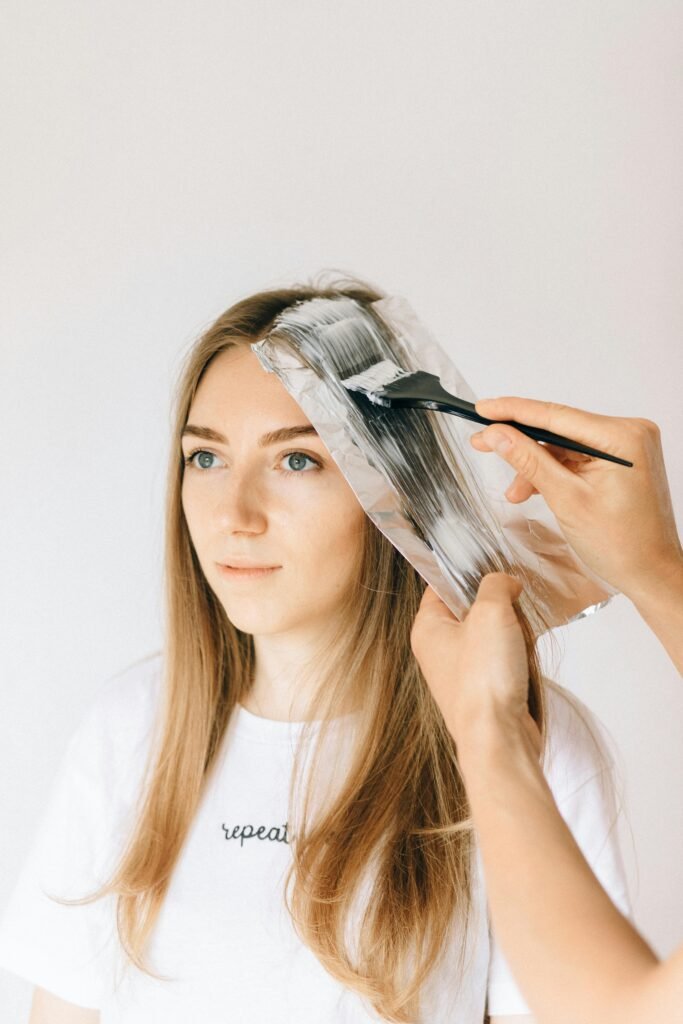
Permanent hair dyes often contain chemicals that help color penetrate deep into the hair shaft. Some of these compounds have raised safety concerns over time, especially with long-term exposure.
While regulations exist, not every ingredient’s long-term impact is fully understood—especially when products are used repeatedly over years.
A Practical, Honest Perspective
Let’s be real: millions of people use hair dye, and not everyone develops health issues. This isn’t about panic or quitting everything overnight.
But it is about awareness.
If something you use regularly is even possibly linked to increased risk, it’s reasonable to take a closer look. Not out of fear—but out of informed choice.
What You Can Do
You don’t have to completely give up hair color to be cautious. Small changes can make a difference:
- Space out how often you use permanent dyes
- Look for products with fewer harsh chemicals
- Consider semi-permanent or natural alternatives
- Follow safety instructions carefully
These steps won’t eliminate risk entirely, but they can help reduce unnecessary exposure.
Why This Conversation Matters
We tend to assume that if something is sold on store shelves, it’s completely safe. But history has shown that some everyday products take years—sometimes decades—to fully understand.
This research is a reminder to stay curious, ask questions, and not blindly trust that “normal” always means “risk-free.”
Hair dye is a personal choice, and for many, it’s part of identity and confidence. But it’s also worth remembering: small, repeated habits can add up over time.
You don’t need to be alarmed—but you should be informed. Because when it comes to your health, awareness is always better than assumption.
Sources
- National Institutes of Health. Sister Study: Hair dye use and breast cancer risk.
About Wellcore Weekly: Wellcore Weekly covers health, wellness, nutrition, sleep, fitness, and medical research with timely, easy-to-understand updates for everyday readers.