The “Second Heart” in Your Legs: Why Movement Is Essential for Survival
More Than Just the Heart
Most people think of the heart as the body’s only pump—but there’s another powerful system quietly helping keep you alive. Deep in your lower leg lies the soleus muscle, a small but vital muscle that plays a major role in circulation.
Often called a “secondary pump,” this muscle works continuously when you stand or walk, helping move blood back toward the heart and lungs.
What Is the Soleus Muscle?
The Soleus muscle is located beneath the larger calf muscle (gastrocnemius). Although it makes up only about 1% of total body weight, its function is crucial.
Unlike muscles used for explosive movement, the soleus is built for endurance. It activates during simple activities like standing and walking—quietly supporting circulation throughout the day.
How It Acts Like a “Second Pump”
When you move your legs, the soleus muscle contracts and relaxes, squeezing nearby veins. This process helps push deoxygenated blood upward against gravity, back toward the lungs for oxygenation.
This mechanism supports the broader system of Blood circulation, especially in the lower body where gravity makes circulation more challenging.
The Hidden Risk of Inactivity
When the body remains still for long periods—such as sitting for hours—the soleus muscle becomes inactive. Without its pumping action:
- Blood can begin to pool in the lower legs
- Circulation slows down
- The risk of clot formation increases
One serious condition linked to this is Deep Vein Thrombosis, where clots form in the legs and can become life-threatening if they travel to the lungs.
Why Regular Movement Matters
Movement isn’t just about fitness or burning calories—it’s a biological necessity. Activating the soleus muscle regularly helps:
- Maintain healthy blood flow
- Reduce the risk of clotting
- Support heart and lung function
- Improve overall metabolic health
Even small actions like walking, stretching, or standing up frequently can make a meaningful difference.
Simple Ways to Activate Your “Second Heart”
You don’t need intense workouts to support this system. Try:
- Taking short walking breaks every 30–60 minutes
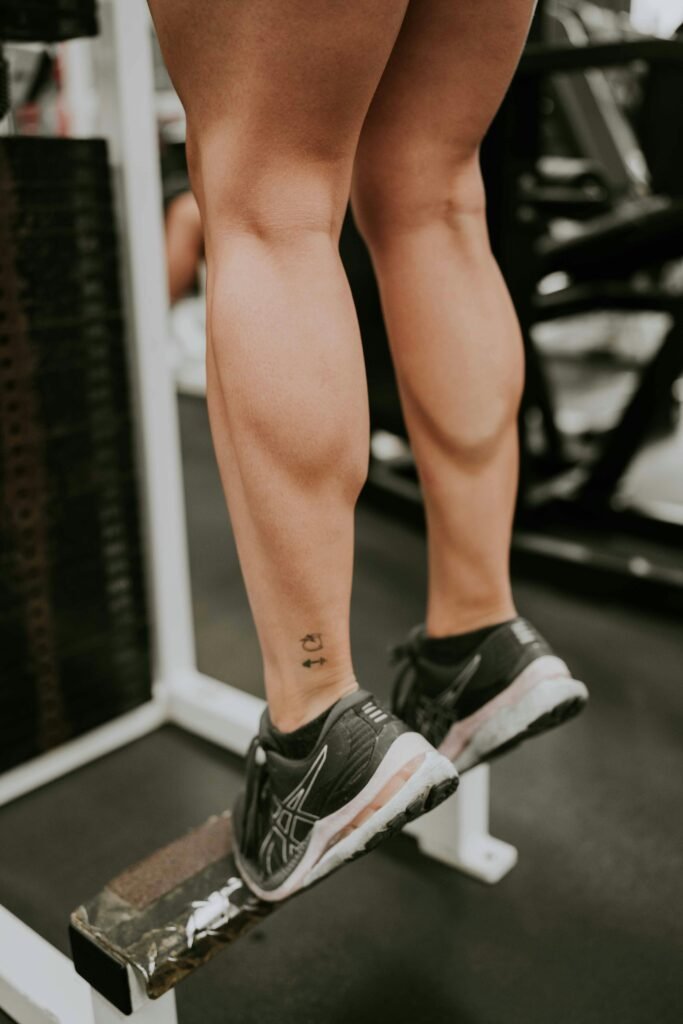
- Doing heel raises while standing or sitting
- Avoiding prolonged sitting without movement
- Stretching your calves regularly
These habits keep the soleus muscle engaged and your circulation functioning properly.
Final Thought
Your body relies on more than just your heart to keep blood moving efficiently. The soleus muscle—small but powerful—plays a life-supporting role with every step you take.
Staying active isn’t optional; it’s essential. Every movement you make helps this “second heart” do its job and keeps your entire system running smoothly.
Sources
- Peer-reviewed research on calf muscle pump function and venous return in circulation physiology journals.
- Studies on sedentary behavior and risk of Deep Vein Thrombosis in medical literature.
- Human anatomy and physiology textbooks covering the Soleus muscle and circulatory support systems.
About Wellcore Weekly: Wellcore Weekly covers health, wellness, nutrition, sleep, fitness, and medical research with timely, easy-to-understand updates for everyday readers.