
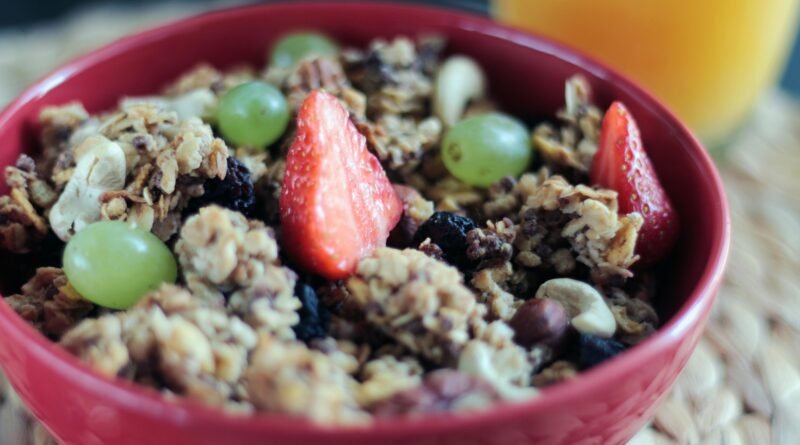
High‑Fiber Diet Craze: Are the Claims Misleading?
A Viral Nutrition Trend Taking Over Social Media
In the ever-changing world of wellness trends, a new concept has been gaining attention online: “fibermaxxing.” Popular across TikTok and other social platforms, the trend encourages people to dramatically increase their daily intake of dietary fiber through fruits, vegetables, whole grains, and supplements.
Supporters claim that boosting fiber intake can improve digestion, support gut health, and even help with weight management. But as with many viral health trends, experts say it’s worth asking an important question: Is the fibermaxxing hype helpful—or are we being misled?
What Exactly Is Fiber‑Rich Diet ?
Fiber‑Rich Diet simply means trying to maximize fiber intake, often by eating as many fiber-rich foods as possible throughout the day. Influencers often promote meals loaded with beans, oats, chia seeds, vegetables, and whole grains.
The trend has gained popularity partly because most people do not consume enough fiber. Studies show that over 90% of women and about 97% of men fail to meet the recommended daily fiber intake.
Health guidelines generally recommend around 25 grams of fiber per day for women and 38 grams for men, yet many adults average only about 15 grams daily.
This gap has led many nutrition experts to welcome the attention fiber is finally receiving.
Why Fiber Is So Important
Fiber is a type of carbohydrate found in plant-based foods that the body cannot fully digest. Despite this, it plays a critical role in maintaining overall health.
Research shows fiber can help:
- Support healthy digestion and regular bowel movements
- Lower cholesterol levels
- Stabilize blood sugar levels
- Promote feelings of fullness, which may aid weight management
- Support beneficial gut bacteria in the microbiome
There are two primary types of dietary fiber:
Soluble fiber – dissolves in water and can help reduce cholesterol and regulate blood sugar.
Insoluble fiber – helps move food through the digestive system and supports regularity.
Both types are important for a balanced diet.
When a Good Idea Goes Too Far
While increasing fiber intake can be beneficial, experts warn that extreme fibermaxxing may cause problems.
Suddenly consuming large amounts of fiber can lead to:
- Bloating
- Gas
- Abdominal discomfort
- Changes in bowel habits
In some cases, excessive fiber may even interfere with the absorption of important nutrients.
Nutrition specialists emphasize that balance is key. Instead of dramatically increasing fiber overnight, it is healthier to gradually raise intake while drinking plenty of water.
The Smarter Approach: Balance Over “Maxing”
Many dietitians suggest focusing on consistent, moderate fiber intake rather than trying to “max out” the number. Some experts now recommend spreading fiber across meals—a strategy sometimes called “fiber layering”—to support digestion without overwhelming the gut.
A balanced approach might include:
- Oatmeal or whole-grain cereal at breakfast
- Beans or lentils added to lunch or dinner
- Fruits and vegetables as snacks
- Nuts or seeds sprinkled into meals
These foods naturally provide fiber along with vitamins, minerals, and antioxidants.
Final Thoughts
Fibermaxxing may sound like another social media health craze, but it highlights a real issue: many people are not eating enough fiber. Increasing fiber intake can offer meaningful health benefits, particularly for digestion and heart health.
However, experts stress that the goal shouldn’t be to “max out” fiber at all costs. The healthiest strategy is a balanced diet rich in plant-based foods, introduced gradually and sustainably.
In the end, the trend may serve as a useful reminder: sometimes the simplest habits—like eating more fruits, vegetables, and whole grains—can have the biggest impact on long-term health.
Sources
- UCLA Health – Fiber intake and health benefits
- Mayo Clinic Press – Understanding the fibermaxxing trend
- Healthline – Fibermaxxing and its potential health benefits
- South China Morning Post – Overview of the fibermaxxing trend
- American Council on Science and Health – Risks of excessive fiber
- New York Post – Expert warnings about overconsumption of fiber
- Verywell Health – Balanced approaches to fiber intake
Photo by JÉSHOOTS:
About Wellcore Weekly: Wellcore Weekly covers health, wellness, nutrition, sleep, fitness, and medical research with timely, easy-to-understand updates for everyday readers.