
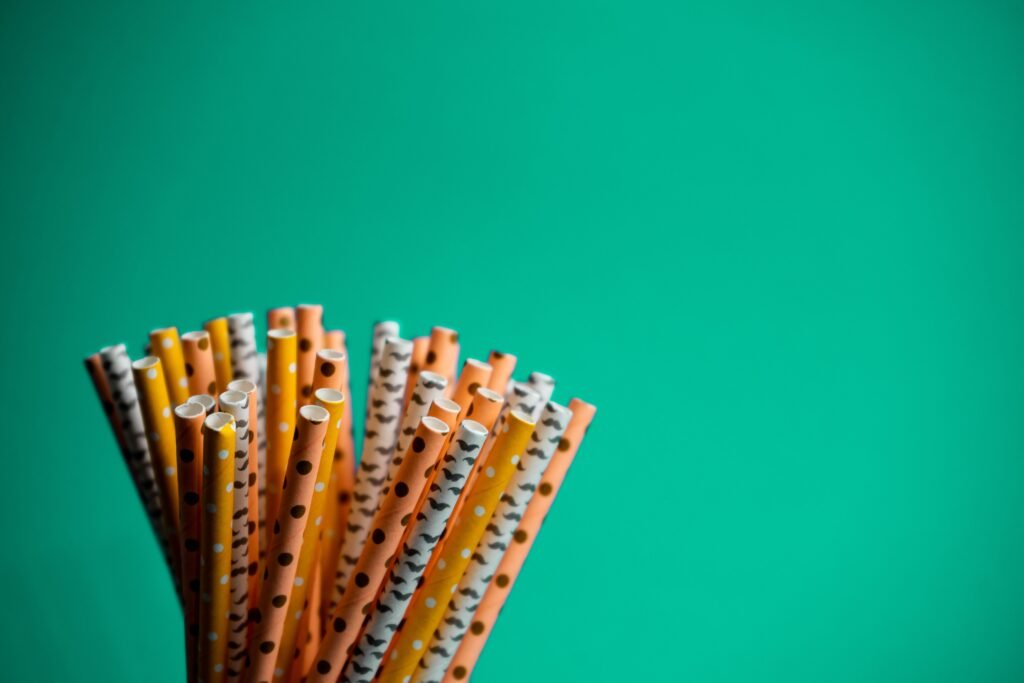
Paper Straws vs Plastic: Are We Choosing a Healthier and Greener Option?
A paper straw seems like a small step towards a cleaner planet. It replaces a piece of plastic that might otherwise remain in the environment for many years. Yet anyone who has used one in an iced drink knows that the experience is not always convenient. It can soften, lose its shape and become difficult to use.
That everyday frustration has sparked a bigger question: are paper straws actually better for the environment, and do they offer a safer alternative?
The answer is more complicated than the packaging suggests. Recent research from South Korea has compared the environmental and health-related impacts of different straw materials. Meanwhile, studies in Europe and elsewhere have investigated the presence of potentially harmful chemicals in paper and plant-based straws.
These findings do not prove that paper straws are dangerous or that plastic straws are the healthier choice. They highlight why environmental decisions need to consider the entire life cycle of a product.
What a Life-Cycle Assessment Really Measures
Most people judge a straw by what happens after it is thrown away. Plastic can persist in the environment, while paper generally breaks down more readily under suitable conditions.
Scientists use a broader approach called a life-cycle assessment (LCA). It examines environmental impacts from raw material extraction and manufacturing through transportation, use and disposal.
A recent South Korean assessment compared conventional polypropylene, paper, biodegradable polylactic acid (PLA) and plant-based polyethylene straws across 16 environmental and health-related categories.
According to reporting on the assessment, paper straws scored higher than conventional plastic in several categories, including modeled human carcinogenicity and environmental acidification. The paper-straw score for carcinogenicity was reported as 6.33 times the plastic baseline.
That figure needs careful interpretation. It is a comparative result within a particular assessment, not evidence that people who drink through paper straws are 6.33 times more likely to develop cancer.
Life-cycle assessments estimate potential impacts associated with producing and disposing of materials. Their results depend on manufacturing methods, energy sources, chemical emissions, transport distances and waste-management assumptions.
In other words, a product can perform better in one environmental category and worse in another.
Why Paper Straw Manufacturing Matters
Paper is made from plant fibres, but turning those fibres into a durable drinking straw requires industrial processing.
Wood or other plant material must be collected, transported and processed into pulp. Manufacturing can involve substantial water and energy use, as well as chemicals used in pulping, cleaning and strengthening the finished material.
Plastic straws also have an environmental footprint. Their production relies on fossil-based raw materials and contributes to plastic pollution when waste is poorly managed.
The important point is that neither material is impact-free. A fair comparison must consider how each product is manufactured and what happens to it afterwards.
The South Korean assessment suggests that, under its chosen assumptions, conventional plastic performed better in several measured categories. It does not establish that plastic is universally more sustainable or that paper should be abandoned.
The PFAS Question: What Have Researchers Found?
Another issue attracting attention is PFAS, short for per- and polyfluoroalkyl substances. These are a large group of chemicals used in some products because they resist water, grease and stains.
Some PFAS can persist in the environment for a long time. Exposure to certain members of this chemical group has been associated with health concerns, including effects on the immune system and other biological processes.
A 2023 study published in Food Additives & Contaminants examined 39 brands of drinking straws sold in Belgium. Researchers detected PFAS in several material types, with findings more frequent in paper and bamboo straws. Stainless-steel samples in that study did not show detectable PFAS.
However, detecting a chemical does not automatically mean that a product presents a significant health risk. The amount present, whether it transfers into a drink, how often someone is exposed and the toxicity of the particular substance all matter.
The study also does not mean every paper straw contains PFAS. More research and stronger manufacturing standards are needed to understand exposure from individual products.
Are Paper Straws Recyclable?
Paper is widely recyclable, but that does not mean every paper product belongs in a recycling bin.
Drinking straws are small and can be difficult for some sorting systems to capture. Used straws may also be wet or contaminated with food and drink. Their coatings, adhesives and other components can make recycling more complicated.
Whether a straw can be recycled depends on local facilities and the product’s composition. Some paper straws may be compostable under suitable conditions, but compostable does not mean they will break down quickly in every landfill or natural environment.
Consumers should follow local waste guidance rather than assuming that a paper label guarantees recyclability.
What Is the Better Choice for Everyday Use?
The most useful lesson is not to replace one disposable straw with another without considering the wider picture. Reducing unnecessary single-use products can help limit demand for raw materials, manufacturing and waste collection.
For people who do not need a straw, drinking directly from a cup may be a straightforward option. However, straws are important for some people with disabilities, swallowing difficulties or other accessibility needs. They should remain available to anyone who needs one.
Reusable straws made from materials such as stainless steel or silicone may reduce disposable waste when used regularly and cleaned properly. They still require resources to manufacture, wash and transport, so their overall benefit depends on repeated use.
Businesses can also make a difference by reducing unnecessary packaging, offering straws on request where appropriate, improving waste management and investing in durable reusable systems.
Looking Beyond the Straw
The debate over paper and plastic straws reflects a much larger environmental challenge. Simple product swaps can create the impression of progress, but they do not always address the systems responsible for pollution and resource consumption.
Paper straws can help reduce persistent plastic litter, while their production and chemical composition deserve proper scrutiny. Plastic straws may have a lower impact in some life-cycle assessment categories, but plastic waste remains a serious environmental concern.
For consumers, there is no need to panic about occasional use of either material. The evidence supports a more thoughtful approach: understand what research measures, avoid exaggerated health claims and support practical efforts to reduce unnecessary waste.
A genuinely sustainable choice is not always the one with the most convincing green label. It is the one that considers health, accessibility, manufacturing, waste and the needs of the people using it.
Photo by Vlad Chețan: https://www.pexels.com/photo/orange-and-white-straws-3018819/
About Wellcore Weekly: Wellcore Weekly covers health, wellness, nutrition, sleep, fitness, and medical research with timely, easy-to-understand updates for everyday readers.